1 min read
EPDM Rubber Roofing: How It Works and Where It Excels
aKey Takeaway EPDM rubber roofing is a synthetic single-ply membrane designed for flat and low-slope roofs, forming one continuous waterproof layer...
9 min read
Takeaway
Roof coatings, including silicone and acrylic elastomeric types, can extend flat roof life by roughly 10 to 20 years, but only when the existing roof is dry, structurally sound, and properly prepped. Silicone handles ponding water and UV better and lasts longer; acrylic suits well-drained roofs at lower cost. Neither coating can rescue wet insulation or failing decking, so a thorough inspection must come before any coating decision.
.jpg?width=4000&height=3000&name=Copy%20of%20DJI_0663%20(1).jpg)
If you've gotten three different answers from three different roofers, you're not crazy. Roof coatings are one of those topics where the details genuinely matter, and a lot of advice out there is either oversold or flat-out wrong. Here's the honest version: yes, a silicone roof coating or an acrylic one can add roughly 10 to 20 years of service life to a flat or low-slope roof, but only when the roof underneath is dry, structurally sound, compatible with the coating, and properly prepped first. If you own a flat roof and you're weighing coating against repair or full replacement, that condition is the whole ballgame. A roof coating is a restoration layer, not magic paint. Get the inspection right, and it can be a smart move to extend the life of what you already have. Skip it, and you're just painting over a problem.
A roof coating is a liquid-applied roof material that cures into a flexible film over an existing roof. It looks a little like paint going on, but the resemblance stops there. According to the Roof Coatings Manufacturers Association, coatings are thicker, carry a much higher solids content, and go down at multiple gallons per 100 square feet, not the thin coverage of house paint.
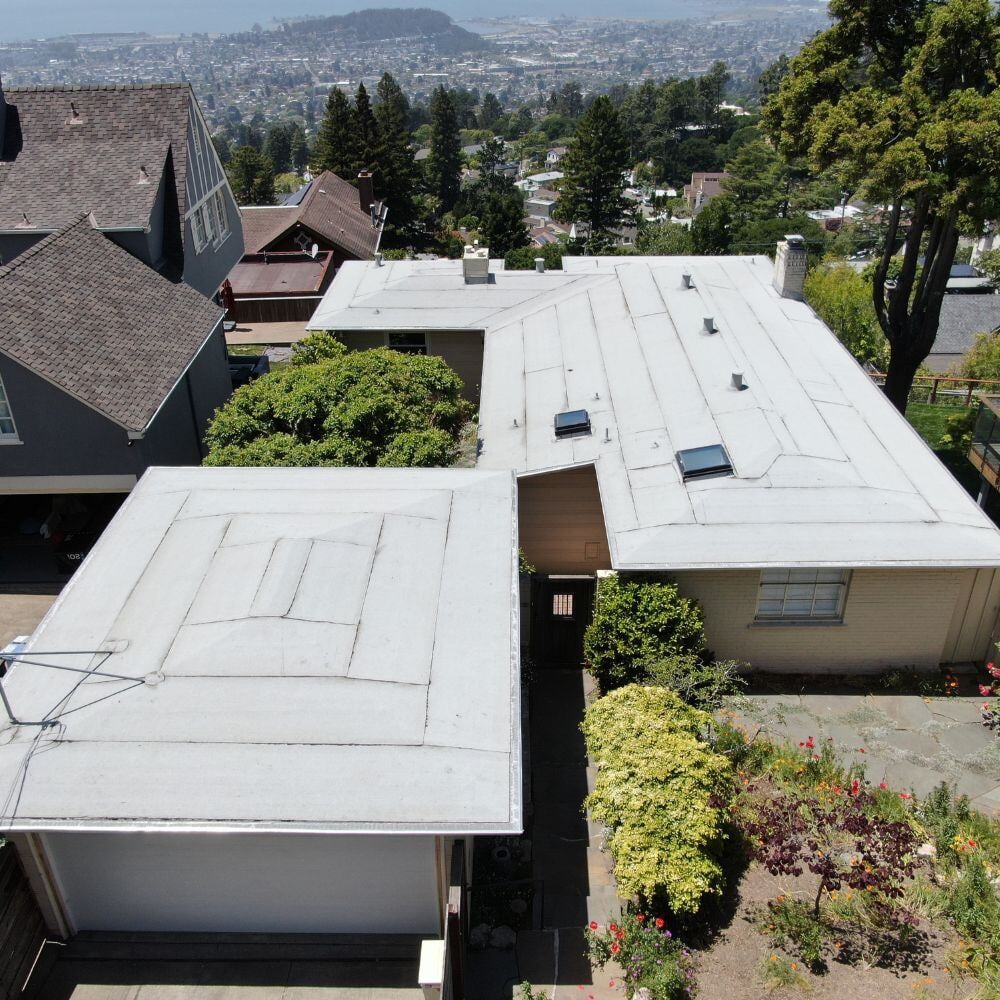
Roof coatings are made for low-slope roof systems: built up roofs (BUR), modified bitumen, single-ply membranes like TPO and EPDM, metal, and spray polyurethane foam. Done right, a coating reflects sunlight, blocks UV radiation, and forms a seamless waterproof barrier that seals small cracks and seams across the whole surface. Those reflective properties feed directly into building performance, since less heat absorption at the surface means less heat driving into the building below. That's a real path to improve energy efficiency.
What a coating can't do is replace failed roof components. The common coating materials you'll hear about are acrylic, asphalt, polyurethane, and silicone, and each has a job it does well.
This is the single biggest mix-up in most coating articles, and it trips up a lot of property owners. "Elastomeric" isn't a product. It's a property. It describes a coating that forms a highly flexible film able to stretch and snap back, which is what lets it bridge small cracks and thermal expansion at seams.
Silicone coatings are elastomeric. So when someone asks about "silicone vs. elastomeric," what they usually mean is silicone vs. acrylic elastomeric roof coatings. The ASTM standards make the distinction clean: D6083 covers water-based acrylic latex elastomeric roof coatings, while D6694 covers silicone coatings whose principal polymer is more than 95% silicone polymers. Both silicone systems and elastomeric systems fall under the elastomeric umbrella. They're just different chemistries with different performance characteristics. Frame the decision that way and it suddenly makes a lot more sense.
Here's the quick side-by-side, using the same performance ranges discussed throughout this article. Match the coating to your roof's real condition, not to a sales pitch.
| Factor | Silicone (ASTM D6694) | Acrylic Elastomeric (ASTM D6083) |
|---|---|---|
| Expected lifespan | 10 to 20 years | 5 to 10 years |
| Resistance to ponding water | Strong; shrugs off standing water | Water resistance without full waterproofing; not the default for ponding |
| UV protection | Excellent | Reflective and effective on dry, sunny roofs |
| Upfront cost | Typically higher | Typically lower |
| Recoat considerations | Bonds best to itself; future work planned around silicone | More flexible for future recoats |
| Best fit | Ponding-prone roofs, heavy UV, longer service interval | Well-drained roofs needing reflectivity at lower cost |
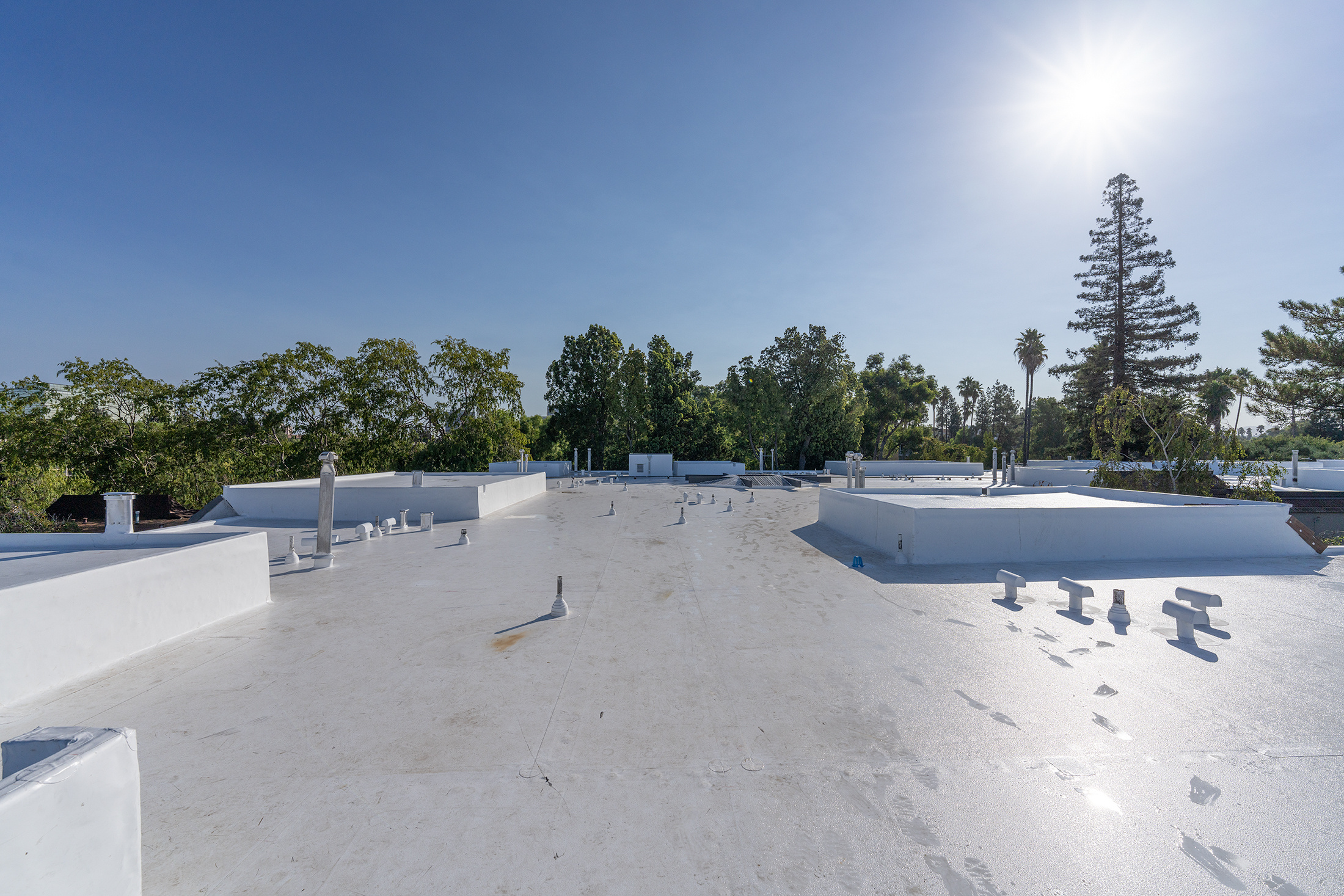
Silicone has become a go-to for flat roofs, and for good reason. It handles intense UV exposure extremely well, reflecting a large share of the sun's rays, and its moisture cure chemistry means a silicone roof coating actually cures in the presence of humidity. Its standout trait is resistance to ponding water. If your roof holds standing water after heavy rain because drainage isn't perfect, silicone tends to shrug that off far better than acrylic. With proper maintenance, silicone coatings can last 10 to 20 years, which is why they keep gaining ground on flat and low-slope roofs. Silicone formulations also hold up against uv degradation better than many alternatives.
There's one caveat worth planning around. Once you go silicone, you're mostly committed to silicone. It bonds best to itself, so future recoats and repairs need to be planned around that chemistry. And like every coating, it only performs on a clean, dry, compatible, properly prepped surface. Good surface preparation and proper coverage are what separate a silicone coating that lasts two decades from one that peels in a season.
Silicone tends to fit best when:
Acrylic elastomeric coatings are water-based, reflective, and typically carry a lower upfront cost than silicone. On the right roof, they're a solid choice. They shine on well-drained roofs in sunny climates where the film stays dry between rains and does its reflective job without sitting in water.
The honest limits matter here. Elastomeric roof coatings are water-resistant but not fully waterproof, and they're not the default pick for a roof that holds ponding water. They also tend to have a shorter service life than silicone, roughly 5 to 10 years versus silicone's 10 to 20, depending on climate and maintenance. Like any roof coating, they need the correct dry-mil thickness and proper surface preparation to hit their rated performance when applied correctly.
None of that makes acrylic "bad." It makes it the right tool for a roof that drains well and needs reflectivity more than it needs ponding resistance. Match the coating to the roof, not to a sales pitch.
Roof coatings aren't limited to one membrane. They can go over metal roofs, modified bitumen, single-ply systems like TPO and EPDM, built up roofs, and spray polyurethane foam, as long as the surface is compatible and properly prepped. On metal roofs in particular, an elastomeric roof coating can seal fastener seams and slow the rust cycle while adding reflectivity and uv protection. Beyond acrylic and silicone, there are polyurethane, asphalt, and aluminum coatings built for specific situations, but those are worth their own deeper discussion rather than a crash course here.
Spray polyurethane foam is a special case. SPF roof systems are designed to be protected by elastomeric coatings and recoated every 5 to 20 years, according to the Spray Polyurethane Foam Alliance. That interval is specific to SPF, though, not a blanket number for every coated roof. For commercial roofing projects and larger single-ply assemblies, substrate compatibility is where a coating plan lives or dies.
This is the part most articles skip, and it's the part that decides whether your money is well spent. Property condition and installation quality are the key factors that make a coating work. A roof coating cannot rescue wet insulation, failed seams, or rotted decking. It can only protect underlying materials that are fundamentally healthy, and that's where its cost effectiveness really comes from.
Your existing roof is likely a good candidate when:
Replacement is probably the smarter call when:
One more thing worth stressing: surface preparation and adhesion are non-negotiable, and so are ongoing maintenance needs once the coating is down. RCMA is clear that a primer is not a substitute for proper preparation, and when adhesion is in question, a test patch is the honest way to confirm the coating will actually stick. Choosing the right roof coating for your building comes down to several key factors, from drainage to sun exposure.
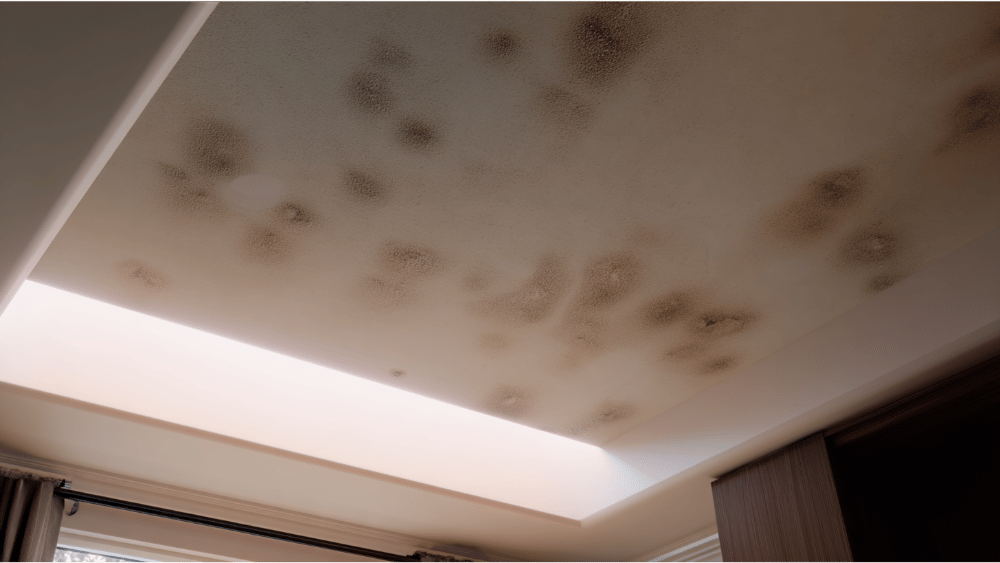
Sometimes, and only in a specific order. A roof coating can seal minor cracks and seams and add a waterproof layer, but that works only after the actual leak sources have been found and repaired. Coating over an active, undiagnosed leak just buries the problem, and trapped moisture will keep doing damage under the film. A coating is a protective layer, not a diagnostic tool. Inspect and repair first, coat second. Do it in that order and a coating helps. Do it backward and you've spent money hiding the issue.
Think of this as a decision, not a default. A roof coating is a restoration and maintenance tool that can be genuinely cost-effective when the roof is a real candidate, buying you years without a tear-off and extending your roof's life at a fraction of the disruption. Replacement is the honest better investment when the substrate is failing, the insulation is wet, or code and insurance leave you no other path.
One point that catches people off guard: a coated roof is not automatically treated as a "new roof" for warranty or insurance purposes. That distinction can matter a lot in California, and we'll get to why below.
At Symplify Roofing, we help property owners and building owners weigh all of it honestly. That includes residential flat roofing, commercial roof installation, and TPO systems for commercial flat roofs when replacement is the right answer, plus repair and drainage work when it isn't. The goal is the longest honest life for your roof, whatever gets you there. And no, we won't hand you a number before we understand what your roof actually needs.
Reflective coatings lower roof surface temperatures and reduce heat absorption, which is a direct win for energy savings. Three terms explain how: solar reflectance (how much sunlight the surface bounces back), thermal emittance (how readily it releases absorbed heat), and SRI, a combined index of the two. Less heat buildup at the surface can also translate into lower energy bills over a hot summer.
The numbers are real. ENERGY STAR notes that on a hot summer afternoon, a clean white roof reflecting 80% of sunlight can stay about 50°F cooler than a gray roof reflecting only 20%. The EPA reports cool roofs can lower peak indoor temperatures by 2.2 to 5.9°F in non-air-conditioned homes, and reduce peak cooling demand by 11 to 27% in air-conditioned ones. The Cool Roof Rating Council puts average cooling-cost savings at 7 to 15%.
Treat those as ranges, not promises. Real savings depend on your insulation, HVAC, climate, and roof color. For homes and commercial roofs across the hotter inland stretches of the Bay Area, though, where temperature extremes and hot weather are common, a reflective roof coating can make summer noticeably more comfortable.
This is where a coating conversation gets local. California's 2025 Title 24, Part 6 energy code took effect January 1, 2026, and it carries cool roof requirements for re-roofing and alterations, not just new builds. For single-family alterations, replacing 50% or more of the roof triggers the requirements.
For low-slope roofs (under a 2:12 pitch) in climate zones that include 12, the standard calls for roughly 0.63 aged solar reflectance, 0.75 thermal emittance, or an SRI of 75, met with CRRC-rated products. Walnut Creek and the rest of Contra Costa County sit in Climate Zone 12. If you meet the requirement with a liquid field-applied coating, California compliance documents state it must cover the entire roof surface at the manufacturer's specified dry-mil thickness.
A few honest caveats. A CRRC rating describes a product's radiative performance; it is not a code approval or a guarantee. New roof coverings generally require a re-roofing permit, so check with your local building department. CAL FIRE recommends Class A fire-rated roofs, and the California Department of Insurance includes a Class A roof in its home-hardening guidance, but no coating guarantees insurance acceptance or a discount, so confirm with your insurer directly. And before you hire anyone, verify their CSLB license (roofing falls under the C-39 classification).
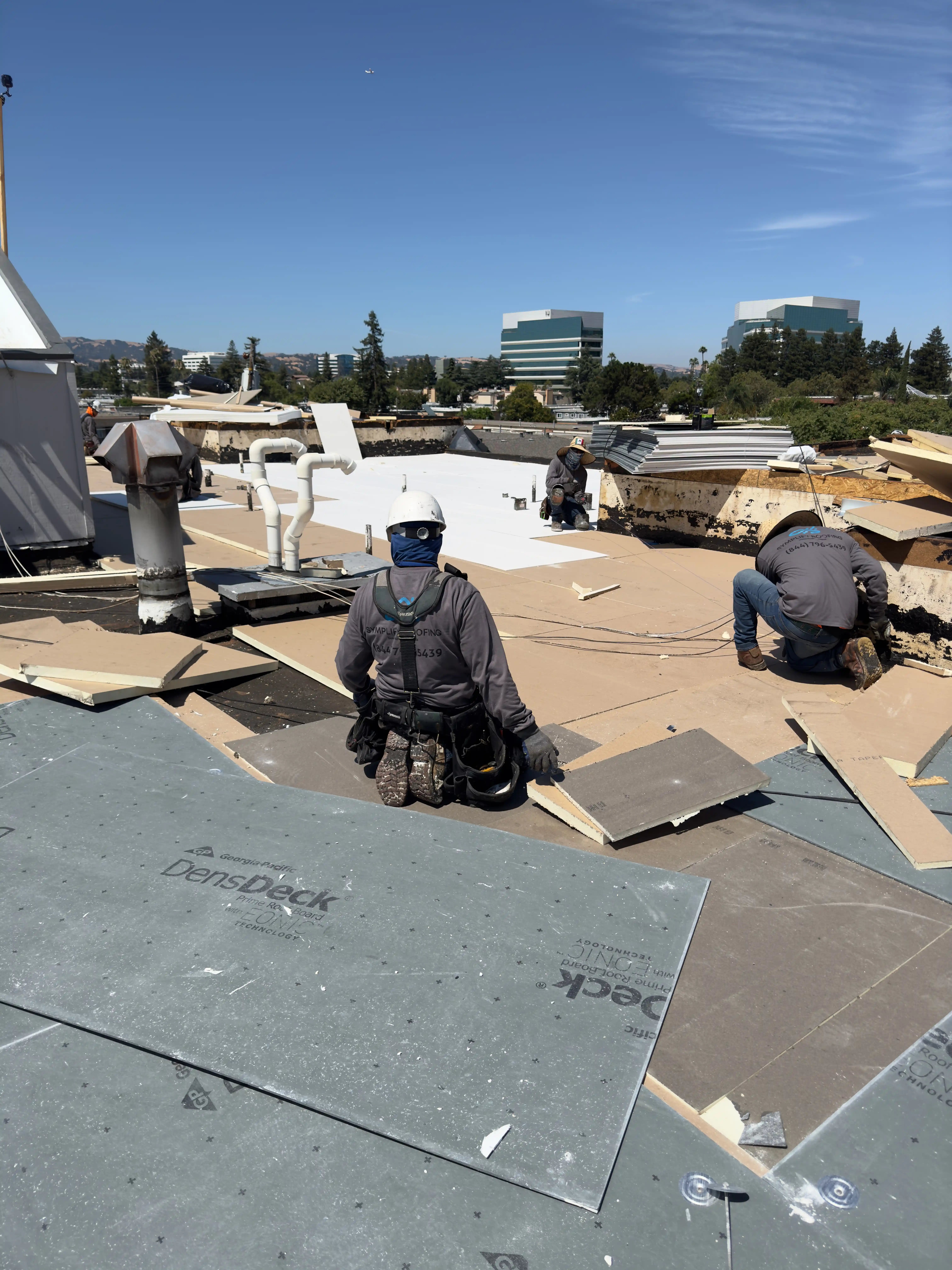
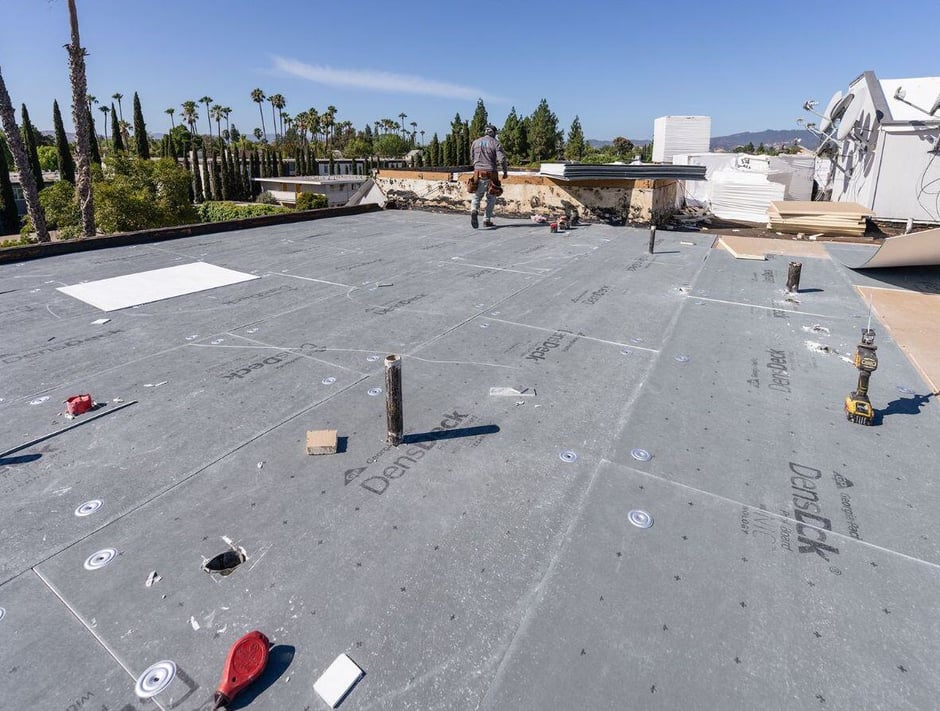
Every honest coating recommendation starts with a free roof inspection, not a quote. Before anyone should suggest coating your roof, they need to check drainage, look for trapped moisture, confirm adhesion, and examine flashings, penetrations, the roof material, and any existing coating chemistry. Then they weigh code, permit, and insurance factors on top of it, since coating durability depends on getting all of that right.
That's how we work. We start with a technology-first look using drone and satellite imagery paired with our instant online estimate, which we've built to land within about 95% accuracy. When it's time, we confirm on the roof and document everything with photos, so you see what we see. Harsh weather conditions, temperature fluctuations, and general environmental exposure all shape which system holds up, and we account for those environmental factors before recommending anything. From there you get a clear recommendation: repair, replacement, TPO, gutter and drainage work, or a coating discussion if your roof is a genuine candidate for one.
Roofs that stay cool also stay clean. Reflective surfaces lose performance when dirt builds up, which is why regular inspections and periodic washing are part of the real maintenance needs of any coated roof.
It's a bit of a trick question, since silicone is elastomeric. Compared with acrylic elastomeric coatings, silicone usually handles ponding water and uv radiation better and lasts longer, while acrylic can be a better fit for well-drained roofs at a lower upfront cost.
Roughly 10 to 20 years for a silicone roof coating and about 5 to 10 for acrylic, assuming the roof was a good candidate, prepped correctly, and maintained. Spray foam systems are recoated on their own 5-to-20-year cycle.
Only after the leak sources are found and repaired first. A coating seals small cracks and seams as a protective layer, but coating over an active leak just traps the problem underneath.
They can, when you use a CRRC-rated coating that meets the reflectance, emittance, or SRI thresholds for your climate zone and apply it across the entire roof as a full top coat at the specified thickness. Check with your local building department on permits.
Coat if the roof is dry, sound, well-adhered, and compatible. Replace if there's wet insulation, soft decking, multiple failing layers, or a code or insurance requirement. An inspection is the only honest way to know.
Start with an instant estimate or request a virtual consultation, and we'll help you figure out what your flat roof actually needs. No pressure, just clarity. Get an Instant Quote, request a virtual estimate, or call us at 415-549-1588. Whatever's most convenient for you.
1 min read
aKey Takeaway EPDM rubber roofing is a synthetic single-ply membrane designed for flat and low-slope roofs, forming one continuous waterproof layer...
%20(2).webp)
1 min read
Key Takeaway Roof and attic insulation slows heat transfer between your living space, attic, and roof, directly lowering energy bills and evening...
1 min read
Key Takeaway If your roof has fewer than about 10 years of life left, replace your roof before going solar. Solar panels last 25 to 35 years, so a...