3 min read
Choosing the Right Roofing Material for Your Home: A Comprehensive Guide - Symplify
When it comes to home construction or renovation, one of the most critical decisions you’ll make is selecting the right roofing material. Your roof...
7 min read
Key Takeaway
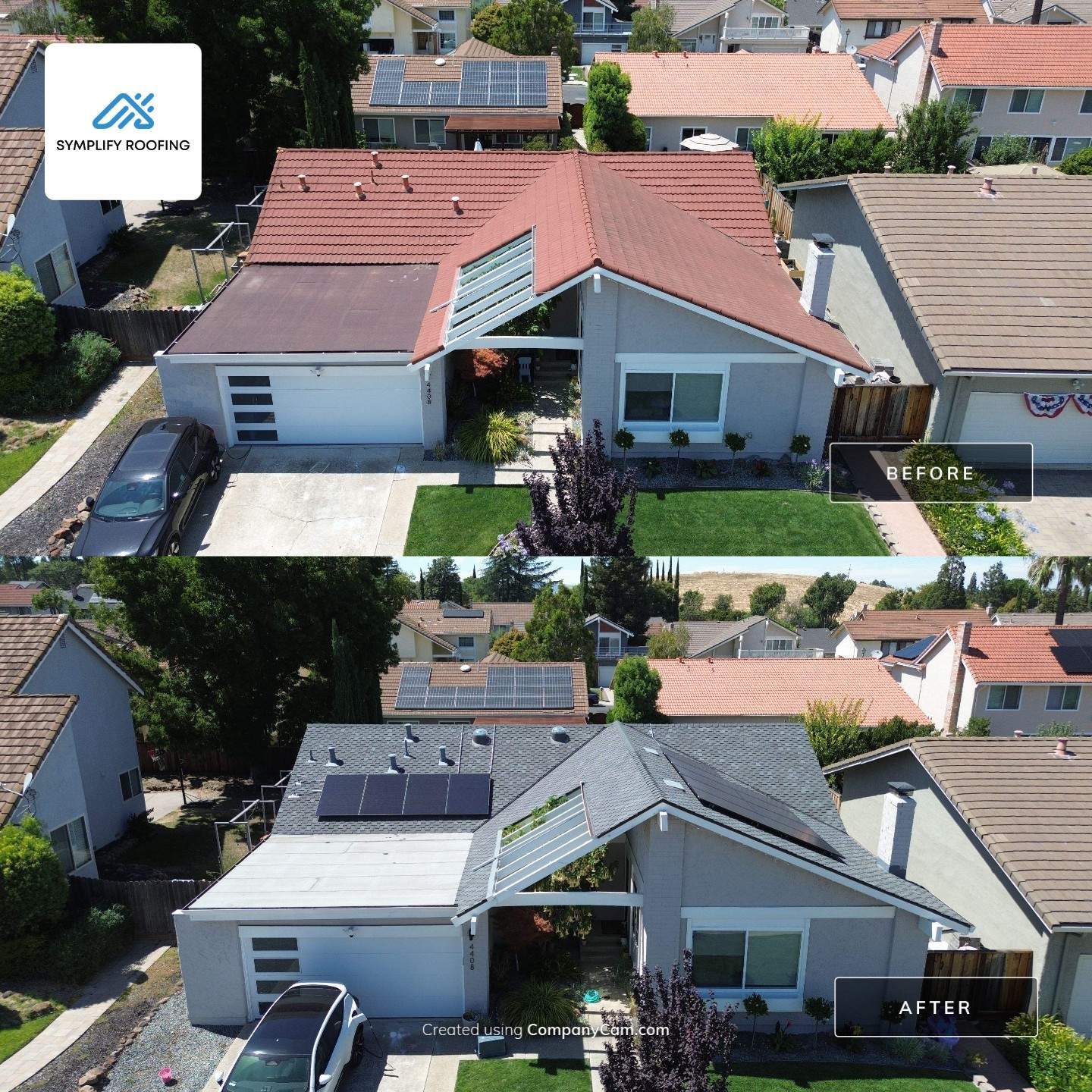
If your roof has fewer than about 10 years of life left, replace your roof before going solar. Solar panels last 25 to 35 years, so a failing roof underneath means paying to remove the entire array just to reroof later. If your roof is newer and in solid condition, you can typically install solar directly without delay.
Getting a solar quote is exciting, right up until someone mentions your roof and your stomach drops. Here's the straight answer: if your roof has fewer than about 10 years of life left, or it's leaking and visibly worn, replace your roof before going solar. Solar panels are built to last 25 to 30 years, so a tired roof underneath means you'll likely pay to remove the whole array later just to reroof. If your roof is newer and in good shape, you can usually install solar directly. For Bay Area homeowners weighing solar panels right now, the smart move is knowing which camp you're in before anyone signs anything.
Solar is a decades-long asset. The U.S. Department of Energy says the average operational lifespan of solar panels has climbed to 25 to 35 years, and most systems hold at least 80% of their output for at least 25 years. That's a long relationship for anything sitting on your roof.
So the roof underneath has to keep pace. A typical asphalt shingle roof lasts somewhere in the 20 to 30 year range depending on how it was installed and maintained. If your solar panels are good for 25-plus years but your roof only has 5 or 6 years left, those timelines don't line up. The panels outlive the roof, and something has to give. If you remember one thing from this article, make it this: match the remaining life of the roof to the life of the solar system.
Some roofs are telling you they're done. If yours is showing these signs, replace your roof before installing solar panels:
None of this is meant to scare you. It's a sequencing question. Installing solar panels on a roof that's about to fail just guarantees expensive rework down the road. Fix the foundation, then build on it.
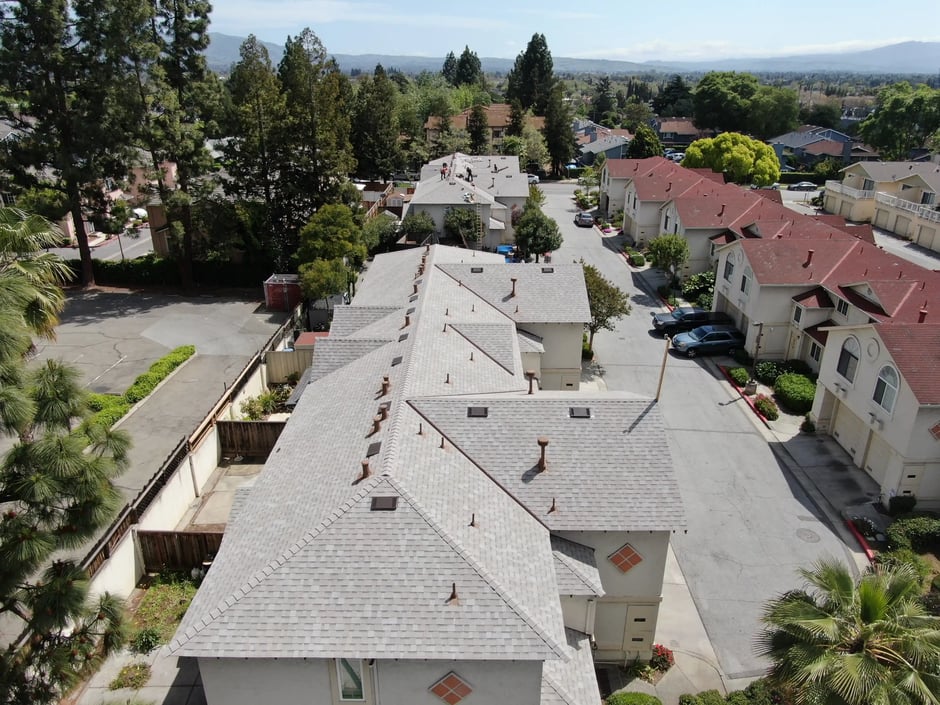
We're not here to tell everyone they need a new roof. Plenty of homeowners can go solar directly, and pretending otherwise would be dishonest.
You're likely in good shape to install solar now if your roof is under 10 years old, has documented good condition, no leak history, and strong remaining service life. Durable materials help too. A well-installed asphalt roof can carry solar panels for years, and metal roofs often last over 50 years, which pairs beautifully with a solar installation. If your roof is somewhere in the 10 to 15 year gray zone, don't guess. A professional inspection settles the question fast and keeps you from either wasting money on an unnecessary roof replacement or building on a roof with less life than you think.
Age is a rule of thumb, not a verdict. Most competitor articles hand you a flat "10 years means replace" line and stop there. Real roofs don't work that way. A 12-year-old roof that was cheaply installed and never maintained can be riskier than a 20-year-old roof that was done right and kept clean.
Here's why a roof can "look fine" from the street and still make a poor candidate for solar panels: brittle shingles that crack under foot traffic, tired decking that won't hold fasteners, worn flashing, poor attic ventilation cooking the underside, or a hidden leak history the last owner painted over. Solar also adds real weight. Panels and mounting hardware put "dead load" on the structure, so the decking and framing need to be sound enough to carry it. You can't see most of this from the ground, which is exactly why the honest answer is: inspect the roof before installing solar.
Say you skip the roof question and put panels on a roof that fails a few years in. Here's the sequence you're signing up for:
The DOE confirms panels and mounting have to come off to reroof. That work isn't free. General industry figures for removing and reinstalling an array run roughly $1,500 to $6,000, often around $5,000 on average, with per-panel costs commonly cited near $200 to $300 to remove and $125 to $200 to reinstall. A 20-panel system can reach the top of that range. (Those are broad industry numbers, not Symplify pricing.) Worse, taking down an active system can complicate or void manufacturer warranties, including your roof warranty. Doing the roof first sidesteps all of it.
Yes, and often it's the cleanest path. The key is that the roof work comes first and every scope stays transparent. Coordinating both projects into one window means one mobilization, less rework, and no removing solar panels you just installed. Bundling the roof cost into a solar loan can also simplify how you pay for it, and combined financing sometimes lowers the overall project cost.
Symplify can coordinate a roof replacement alongside a solar panel remove-and-reinstall through a solar company partnership, so the roof gets done right before the panels go back on. The catch with any combined project is scheduling. Two crews, two timelines, and one homeowner who deserves to know what's happening. That's where clear communication earns its keep, keeping the sequence tight so nobody's standing around and your roof isn't left open.
If you're in Walnut Creek or the broader Bay Area, a few local realities matter when you install solar.
Permits. Walnut Creek requires a building permit for both re-roofing and solar energy system work. The city's code says a solar system can't be installed or altered until the required permit is pulled from the Building Official. Make sure your contract spells out who's pulling which permit.
License checks. California's CSLB requires a current, valid license for permitted work. Solar providers should hold a C-46 Solar, C-10 Electrical, or B General Building classification. Your roofer needs a valid CSLB license too. Symplify's is #1108246. Verify any contractor's number is active before you sign.
State guidance. The CPUC's Solar Consumer Protection Guide flat-out tells homeowners to replace your roof first if you plan to reroof soon, and to ask upfront what removing and reinstalling panels would take.
Fire and layout. CAL FIRE requires Class A-rated roof coverings in California. Fire-access rules also shape your solar layout: pathways at least 36 inches wide, arrays set 18 or 36 inches below the ridge depending on coverage, and arrays not exceeding 150 feet in either axis. Solar panel placement has to work around vents, skylights, and chimneys, not fight them.
Mostly no, and a lot of older articles get this wrong. According to current IRS guidance, traditional roofing materials and decking that only serve a roofing or structural function generally do not qualify for the Residential Clean Energy Credit. Solar shingles and solar roofing tiles that actually generate electricity may qualify, since they do double duty. The federal credit equals 30% of qualifying solar equipment, but as of current IRS rules it's not available for property placed in service after December 31, 2025, and battery storage must be at least 3 kilowatt-hours to count. Tax rules shift often, so confirm the current rules and talk to a tax professional before you count on any credit toward your solar installation.
Before you sign a solar contract, get an honest read on whether your roof is actually ready. A thorough inspection of your roof before installing solar should cover:
Which is why, when people ask whether to call a roofer or a solar installer first, the answer is usually the roofer. Get the roof-readiness answer before anyone quotes you on solar panels.
You're probably a little braced for a sales pitch right now. Fair. So here's the honest version. We start with an instant online estimate that's 95% accurate, confirm the details with a drone assessment, and can handle the whole consultation over a virtual call if that's easier on your schedule. Every step is photo-documented, so you see what we see.
If your roof is fine, we'll tell you that. Recommending a roof you don't need isn't a business model we're interested in. When a replacement genuinely makes sense, our Owens Corning Platinum Preferred Contractor status lets us back it with a 50-year material warranty and a 25-year workmanship warranty, a roof warranty that outlasts most solar systems. A quality new roof can also add serious resale value, often more than $17,000. Whatever we recommend, you'll hear from us every step of the way.
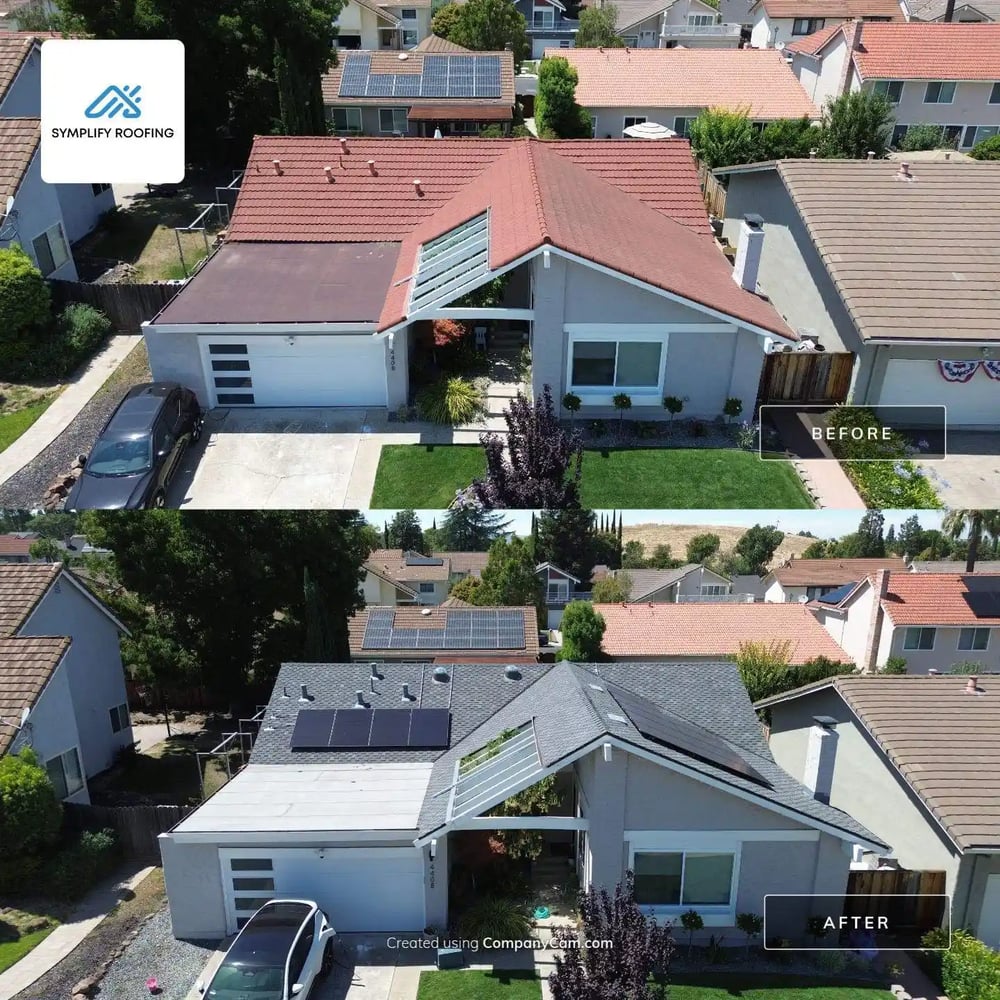
The decision comes down to one rule. Replace your roof first if it won't reasonably last the life of the solar system. Get it inspected first if you're unsure. And don't sign a solar contract until you know your roof's true condition and exactly what any future panel removal and reinstallation would involve.
If you want a straight answer on where your roof stands, we've made the first step easy. Get an Instant Quote, request a virtual estimate, or call us at (415) 549-1588, whatever's most convenient for you. No pressure, just an honest read on whether your roof is ready for solar.
They have to come off. A solar contractor removes the panels and mounting, the roof gets replaced, then the array is reinstalled and recommissioned. That cost and hassle of panel removal and reinstallation is exactly why handling the roof first pays off.
Leased or financed systems can complicate a sale, and buyers get nervous about roof age under the panels. A sound, new roof beneath the array removes one of the biggest sticking points.
It's a rough guideline some installers cite for how much of a roof's usable area an array should cover, leaving room for setbacks and fire pathways. Treat it as a planning heuristic, not code.
Usually aging solar equipment, an old roof that finally needs replacement, or shifting economics under California's net billing rules, where export credits are lower than they once were. Many pair batteries now instead to store their own solar energy.
Call the roofer first. An honest roof-readiness answer tells you whether to replace your roof now, coordinate both projects, or go solar directly, before you're locked into a solar contract.
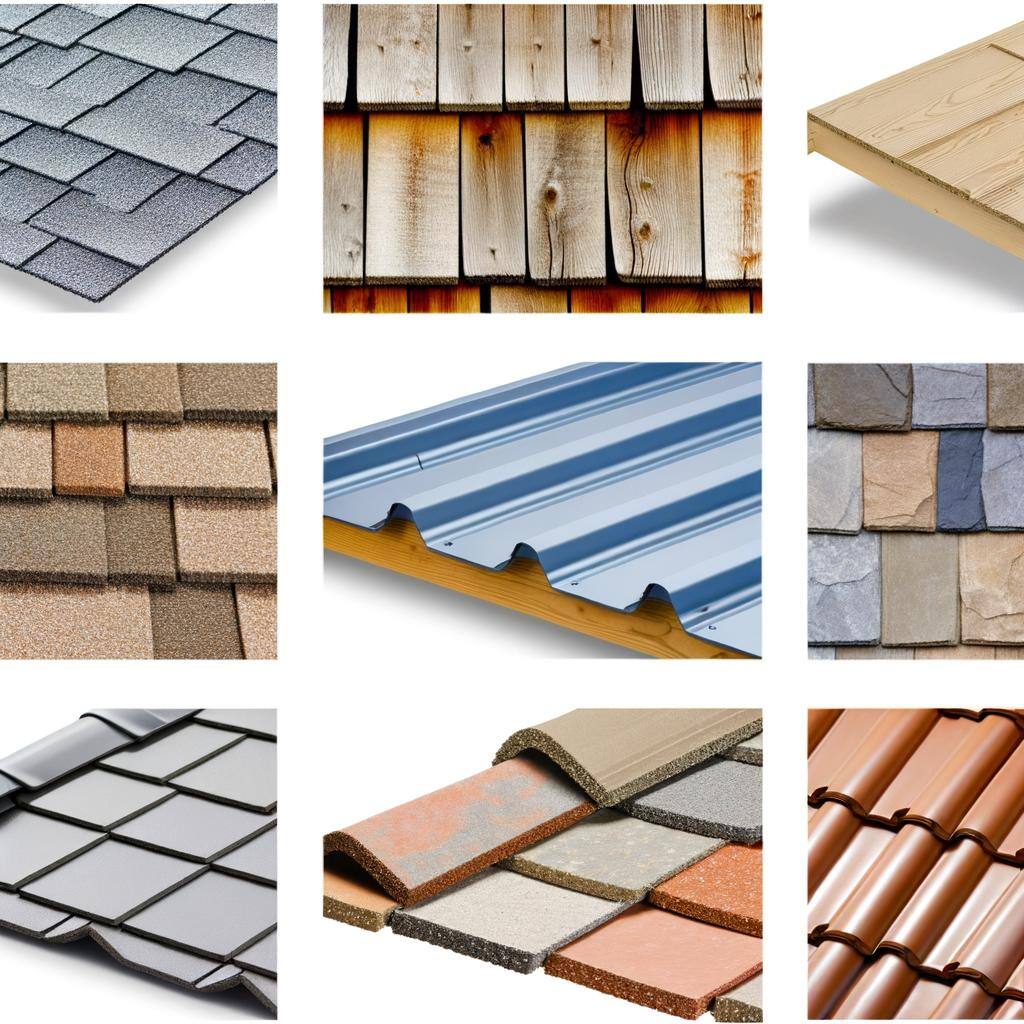
3 min read
When it comes to home construction or renovation, one of the most critical decisions you’ll make is selecting the right roofing material. Your roof...
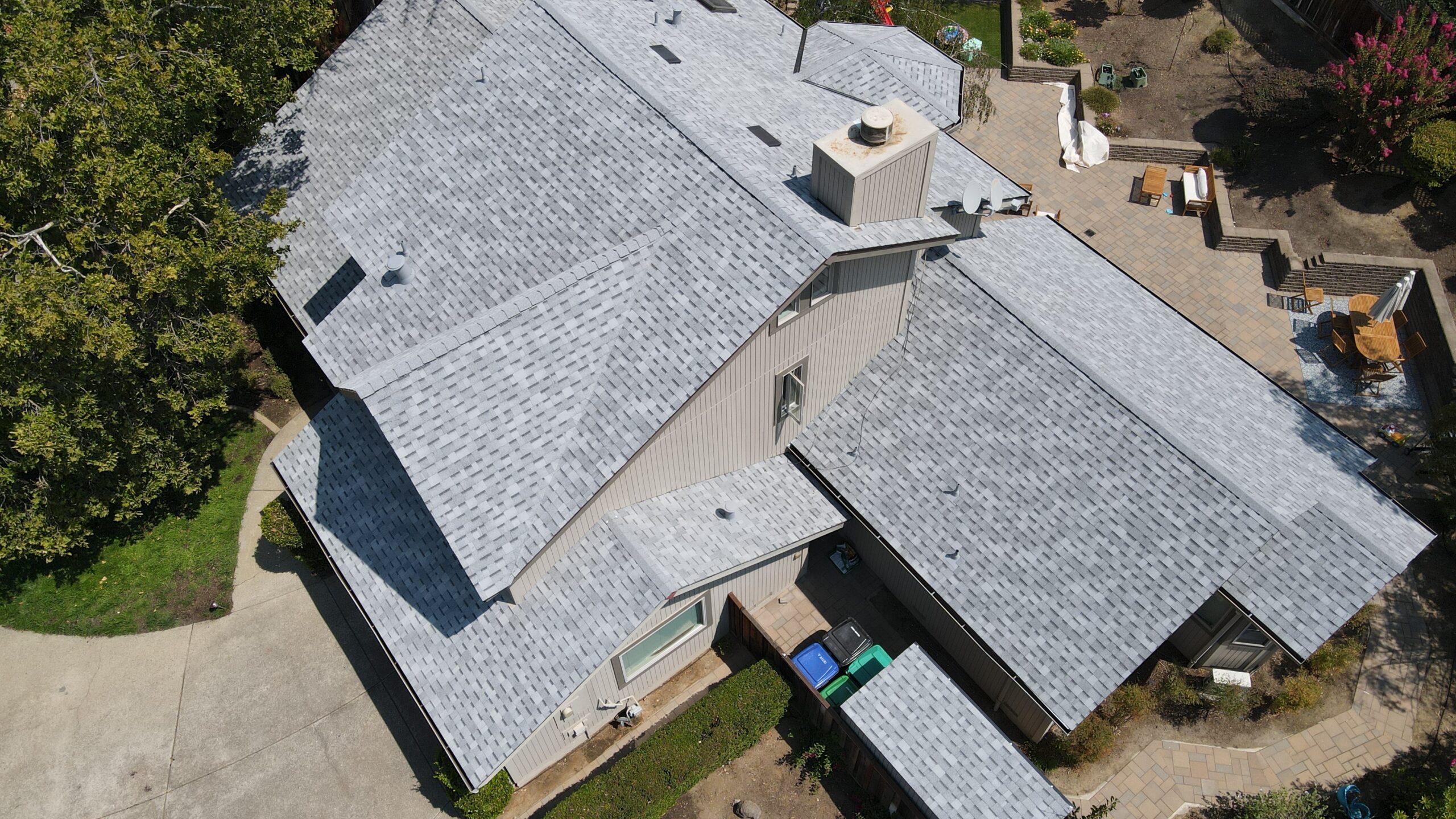
2 min read
Are you a Bay Area homeowner considering a roof replacement? If so, you’ve likely come across a multitude of roofing options. However,...
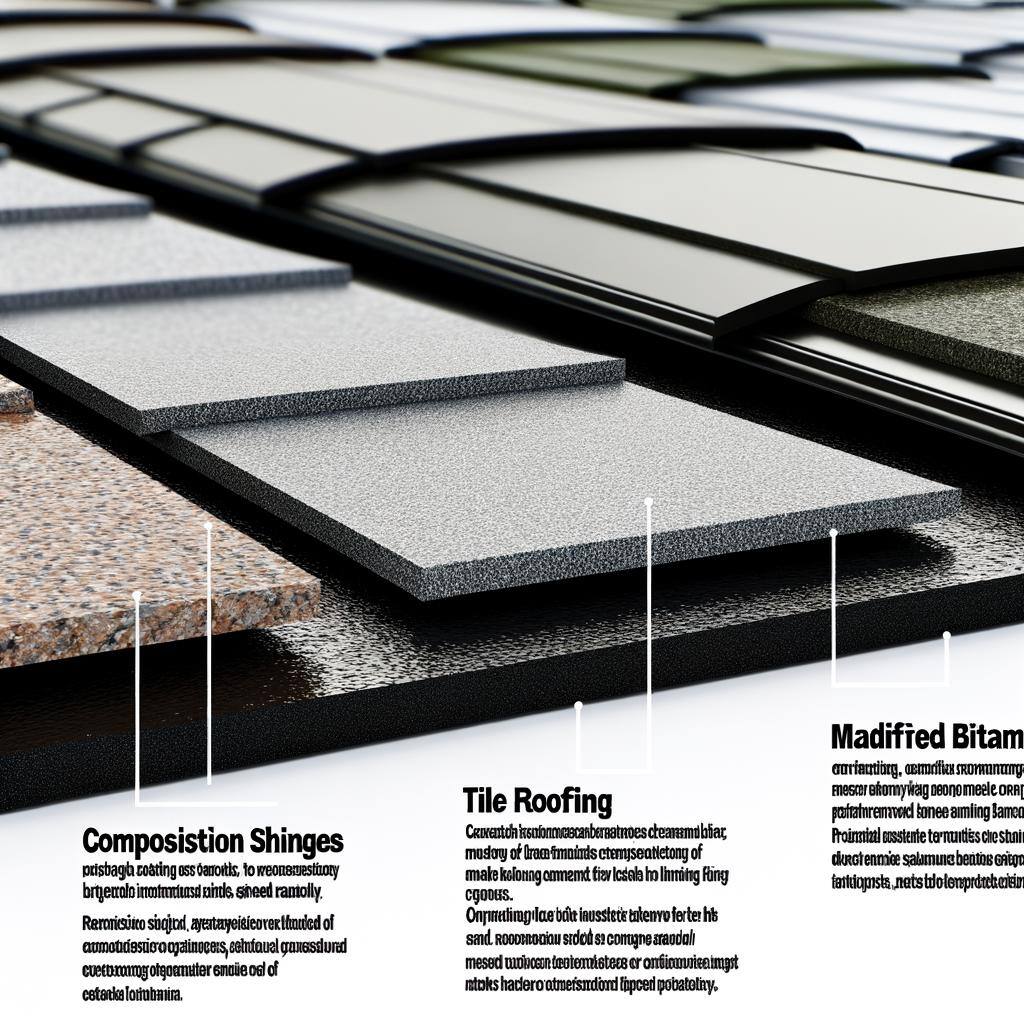
2 min read
When you’re a homeowner in sunny California, deciding on the right roofing material is a task that demands careful consideration. Your choice can...