1 min read
How to Maintain a Roof in Harsh Weather Conditions: Walnut Creek Homeowner’s Guide
AI Overview: To maintain a roof in harsh weather conditions, homeowners should schedule regular inspections, promptly address minor damages, and...
6 min read
%20(2).webp)
Key Takeaway
Roof and attic insulation slows heat transfer between your living space, attic, and roof, directly lowering energy bills and evening out indoor comfort. Properly installed attic insulation paired with air sealing can save homeowners 10 to 30% on heating and cooling costs. The attic accounts for roughly 20 to 25% of a home's heat loss, making it one of the highest-value upgrades you can make.
If your upstairs feels like a different climate than your downstairs, you're not imagining it. Roof and attic insulation slow the heat moving between your living space, the attic, and the roof. That lowers your energy bills and evens out comfort. But insulation only does its job when it's paired with air sealing, good ventilation, and a roof that isn't leaking. For Bay Area homeowners weighing insulation or a roof project, the smart move isn't adding more inches. It's understanding the roof-attic system as one thing.
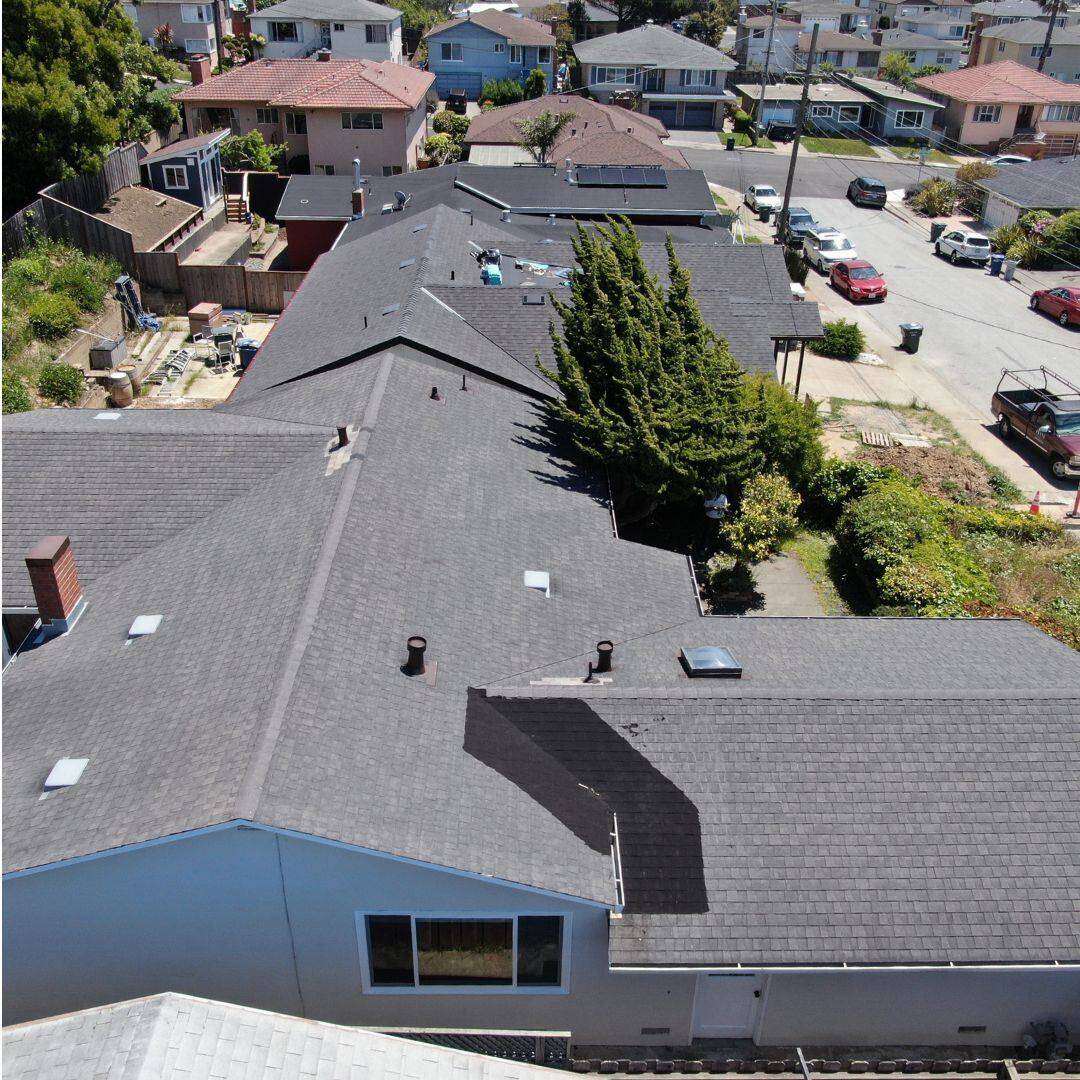
Two ideas do most of the work here. Insulation resists conductive heat flow, and its performance is measured in R-value: the higher the number, the better it slows heat. Air sealing closes the gaps that let uncontrolled air move in and out, so it can't bypass the insulation entirely. Most articles mention one and skip the other. You usually need both, and stopping air leaks matters as much as the insulation material itself. EPA/ENERGY STAR estimates that air sealing plus insulation saves an average of 15% on heating and cooling and 11% on total energy costs. Honest caveat: that's a modeled national average combining air sealing (assuming a 25% cut in air infiltration) with insulation across the attic, floors, and crawl spaces. It's not attic insulation alone, and it's not a guarantee.
National articles blur this, so let's clear it up. There are three common setups:
Which one is right depends on how your attic is built and whether it's vented. The insulation type matters too, and we'll get to that.
%20(1)%20(1).webp?width=940&height=699&name=Untitled%20design%20-%202024-08-27T092024.646%20(2)%20(1)%20(1).webp)
The mechanism is simple. In winter, less heat escapes through the ceiling, so your heating system doesn't run as long. In summer, less heat transfer from a baking roof pushes down into your rooms, which trims your cooling costs and eases the load on your air conditioner. Either way, your HVAC system runs less hard and burns less energy. The attic is where a large share of a home's heat loss happens, roughly 20 to 25%, which is why properly insulating it is often the highest-value upgrade you can make. Real-world energy savings on heating and cooling costs land somewhere in the 10 to 30% range, and they swing based on how leaky your ducts are, how much insulation you already have, your climate, and whether your roof is doing its job. Cutting energy waste this way saves homeowners money over time. The savings are real. They just depend on the whole house working together, not one layer.
For a lot of homeowners, comfort is the bigger daily annoyance than the utility bill. A properly insulated attic reduces the stuff that drives you nuts: hot upstairs bedrooms in the summer, drafts in the dead of winter, a downstairs that's fine while the top floor never settles, and cooling systems that short-cycle trying to keep up. Better attic insulation also cuts the radiant heat gain rolling off a hot roof into your ceilings, so less hot air builds up overhead. The honest part: comfort improvements are usually noticeable even when the dollar savings on your energy bills vary month to month. A tighter, better-sealed envelope also keeps more outside dust and pollutants where they belong, which helps indoor air quality.
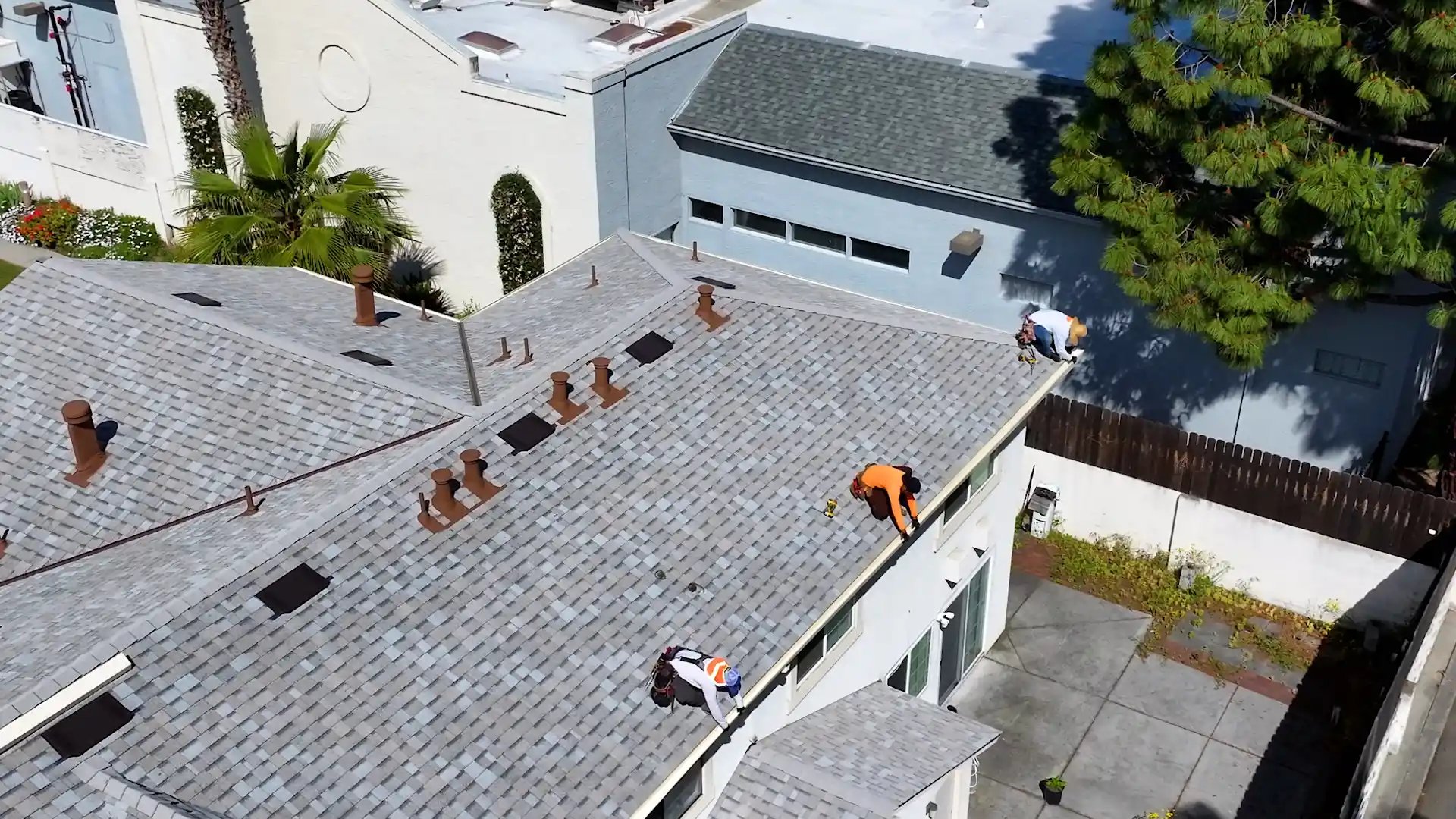
Higher R value means more resistance to heat flow, and reaching the right level is central to your home's energy efficiency. Here's an easy check from ENERGY STAR: if your insulation is at or below the level of the attic floor joists, you probably need more insulation. Common materials like fiberglass, blown in cellulose insulation, and mineral wool run about R-3 to R-3.5 per inch, so you can measure the depth in the attic space and multiply by three to estimate what you've got. National ENERGY STAR retrofit guidance looks like this:
| Existing insulation | Warmer zones | Colder / marine zones |
|---|---|---|
| Uninsulated | R-49 | R-60 |
| 3 to 4 inches already | R-38 | R-49 |
One important flag before we get local: California Title 24 climate zones are not the same as the ENERGY STAR/IECC zones above. Fiberglass, cellulose, spray foam, and mineral wool all hit those R value targets in different ways, and no single type is automatically "best." Spray foam, for example, seals and insulates at once but costs more per inch. The right insulation depends on your attic, your budget, and how the whole assembly is built. With rising energy costs, getting it installed correctly is the difference between real return and disappointment.
Attic air leaks hide in predictable spots: top plates where walls meet the ceiling, recessed lights, plumbing and wiring penetrations, rim joists, the attic hatch, and open chases. Piling insulation over unsealed gaps is like throwing a blanket with holes over your house. The air just moves around it, you waste energy, and your rated R value drops in the real world. Because warm heat pushes upward and out through those gaps, sealing them first is how you actually save energy. ENERGY STAR's rule is blunt: a good contractor seals before insulating, and if they won't, call someone else. Leave the ghosting to your ex, and leave the shortcuts to the other guys.
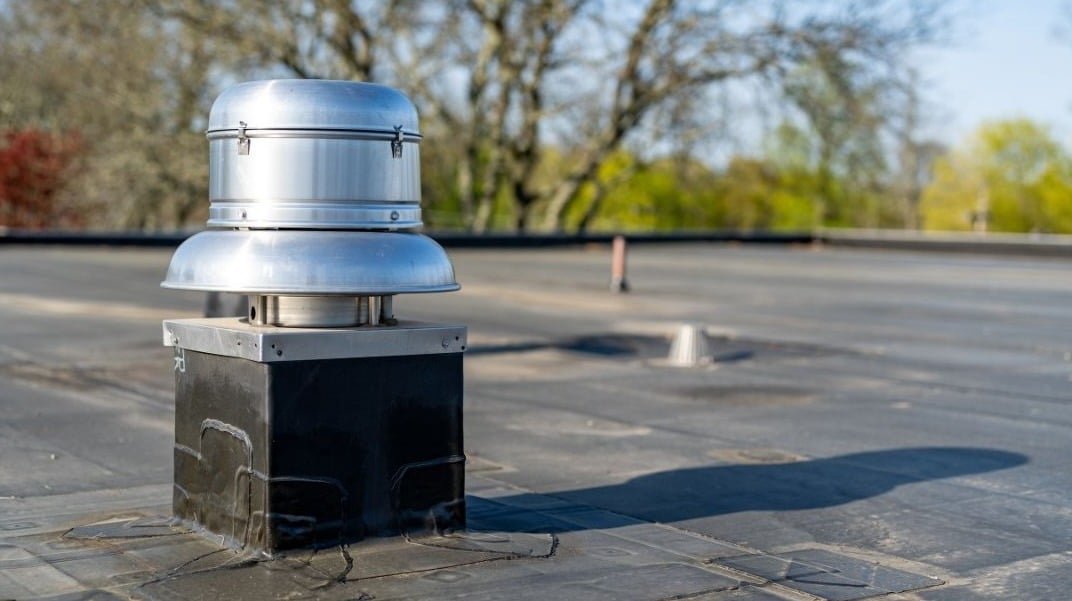
Insulation and ventilation aren't rivals. A healthy attic needs both. Baffles (rafter vents) keep new insulation from smothering your soffit airflow, so air can still move up and out. Wet or damp insulation is a warning sign of moisture problems, often pointing to a roof leak. And your bathroom, kitchen, and dryer vents should exhaust outdoors, never into the attic, where that moisture feeds mold and rot. Ice dams are the cold-climate version of this problem, driven by temperature differences between the roof surface and the eaves; less of a concern in the mild Bay Area, but worth knowing if you're elsewhere. Bottom line: fix roof leaks before you insulate over them.
Sometimes adding insulation is the wrong fix. A real inspection tells you which. Other common culprits behind high energy bills:
This is exactly where an energy audit earns its keep. A blower-door test and a look in the attic can tell you whether the fix is air sealing, better attic insulation, duct work, or something on the roof itself. The attic plays a bigger role in your electric bill than most people expect.

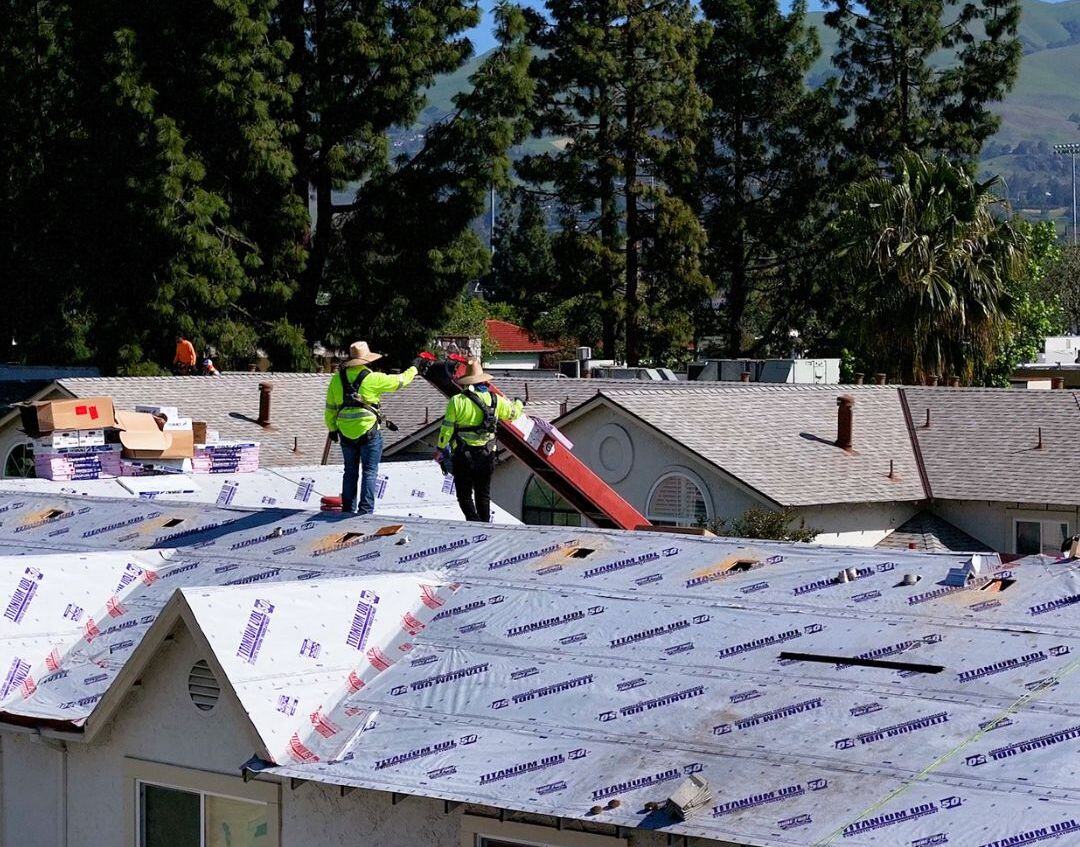
Tearing off a roof exposes the deck, the ventilation, and the home's moisture history. That makes it the practical moment to look at whether insulation, baffles, or airflow need attention. Not every re-roof includes insulation work, but you're rarely closer to the truth about your attic than during a replacement, and the overall value of the project goes up when you handle both at once.
On the local side: Walnut Creek requires a re-roofing permit and an in-progress inspection during installation. California's 2025 Energy Code applies to permit applications filed on or after January 1, 2026, and Walnut Creek sits in California Climate Zone 12 (again, different from the ENERGY STAR zones earlier). Depending on scope, Title 24 can trigger ceiling insulation targets (around R-49 for certain vented attic alterations) and cool-roof requirements, so those get confirmed at permit review. The federal §25C insulation tax credit no longer applies to property placed in service after December 31, 2025, so check current utility and BayREN or income-qualified programs for what's available now, since spending a little more money on the right upgrade can pay back for years.
A good inspection captures roof condition, attic ventilation, insulation depth, any moisture or staining, where bath and kitchen fans terminate, blocked vents, and the roof deck if it's accessible. At Symplify Roofing, findings are photo-documented, we use a drone or satellite view of the roof when it makes sense, and you can start with a virtual estimate or free estimate so you don't have to take time off work. Before you approve anything, ask your contractor: Will you air seal before insulating? What R value are you targeting? Will you keep soffit vents open and include baffles? Will I get photos and documentation?
EPA/ENERGY STAR estimates an average of 15% on heating and cooling and 11% on total energy costs from air sealing and insulation combined. Real results usually fall in a 10 to 30% range and depend on your ducts, existing insulation, climate, and roof. Done right, it saves money for years.
Usually not. ENERGY STAR says removal is only necessary if the old insulation is wet, moldy, smelly, or contains animal waste.
Neither wins automatically. Spray foam air seals and insulates in one step and reaches a high R value in less space, but it costs more. Fiberglass and cellulose are cheaper per inch and work well in a vented attic that's already been air sealed. The best type depends on your attic and your goals.
The federal §25C credit no longer applies to property placed in service after December 31, 2025. Check current local, utility, and BayREN or income-qualified programs, since those change.
Indirectly, yes, by helping control heat and moisture in the attic. But roof life also depends on materials, ventilation, drainage, and leak control.
Not sure whether your problem is the roof, the attic, or both? That's exactly what we'll help you figure out, step by step. Get an instant estimate online, request a virtual estimate, or call Symplify Roofing at 415-549-1588.
1 min read
AI Overview: To maintain a roof in harsh weather conditions, homeowners should schedule regular inspections, promptly address minor damages, and...
1 min read
AI Overview: The average asphalt roof lasts 20–30 years, but factors like shingle quality, installation standards, and local climate in Walnut Creek...
1 min read
Takeaway Roof coatings, including silicone and acrylic elastomeric types, can extend flat roof life by roughly 10 to 20 years, but only when the...