1 min read
Can You Paint Shingles on a Roof? What Homeowners in Walnut Creek Need to Know
AI Overview: Painting shingles on a roof is usually not recommended, as it can void manufacturer warranties, reduce shingle longevity, and...
8 min read
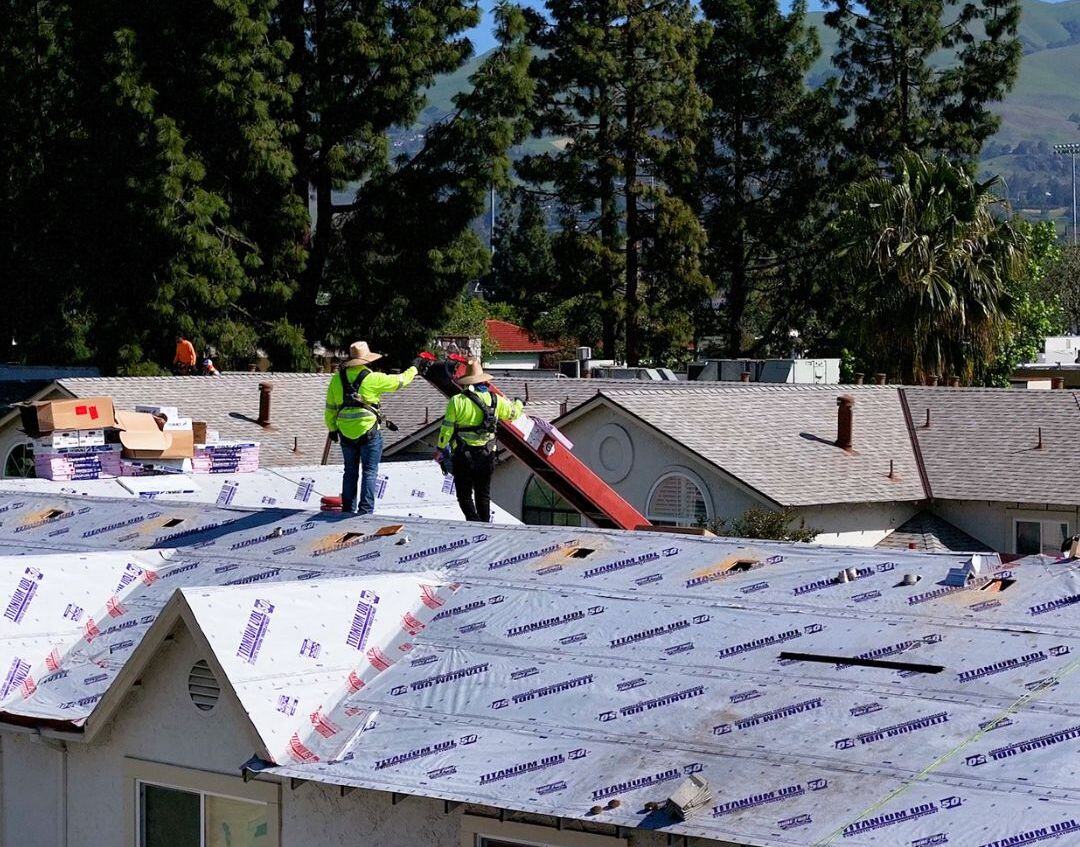
To maintain a roof in harsh weather conditions, homeowners should schedule regular inspections, promptly address minor damages, and prioritize upgrades like durable shingles and robust attic ventilation. Strategic, season-specific care prevents leaks, extends the lifespan of roofing systems, and ensures year-round protection against rain, heat, wind, and wildfire smoke.

Every Walnut Creek homeowner knows that the Bay Area’s charm comes with unique environmental challenges. Your roof is the home’s first defense against these forces—from torrential rainstorms and whipping winds to relentless sun and the creeping threat of wildfire smoke. Understanding how these conditions impact your roofing structure is the first step toward achieving long-term protection and value from your investment.
Intense rainfall can overwhelm gutters, lead to ponding, and exploit weaknesses in flashing or underlayment. Wind uplift, meanwhile, can loosen shingles or tiles along vulnerable edges, allowing water to creep in where it shouldn’t. Small gaps or blown-off materials today grow into costly repairs tomorrow if neglected after the storm has passed.
Prolonged exposure to heat bakes asphalt shingles, causing them to become brittle, curl, or lose granules. Repeated heating and cooling cycles also stress fasteners, sealants, and attic structures. A dry climate quickens the aging process—even thick tile or high-end materials need proactive upkeep to avoid premature cracking.
Recent wildfire seasons have shown that smoke, ash, and airborne particulate aren’t just health risks; they also create residue that can prematurely age the roof surface or clog attic vents. Ash buildup can trap moisture, corrode materials, and reduce overall air quality in attic spaces, making proper ventilation essential.
Each spring and fall bring wide temperature swings that test roof flexibility, flashings, and seals. These transitions are often when minor leaks or weak spots first become obvious.
Most homes use asphalt shingles or tile roofs. Asphalt shingles are cost-effective and resilient but can lose granules or develop edge lift under constant sun and wind. Tile roofs offer longevity but are susceptible to cracking in extreme swings. Both require vigilant inspection of valleys, edges, and penetration points, often the first places to show trouble in unpredictable weather.
Quick Tips: After any significant weather event, especially heavy rain or wind gusts, walk your property safely (from the ground) and look for displaced shingles, loose tiles, dented vents, or overflowing gutters. Early detection means easier and less costly fixes.
Every long-lasting roof is built on a foundation of regular, strategic maintenance. This is where most homeowners find the best return on investment—by preventing minor issues from growing into major headaches.
Professional roof inspections do more than just spot broken shingles. They assess flashing integrity, look for subtle signs of moisture, and track the health of attic insulation and ventilation. Inspections are also required to keep manufacturer warranties valid, meaning you benefit from maximum materials protection for decades—not just a few years.
Look for granules collecting in gutters, curled or missing shingles, stained ceilings, or streaks on exterior walls. Unusually high indoor humidity or musty attic smells often signal hidden leaks. Even with the toughest underlayments, small path leaks can develop if not addressed fast.
As an Owens Corning Platinum Contractor, Symplify Roofing follows strict manufacturer maintenance protocols:
We recommend inspections at least twice annually: once in late fall before rain and again in spring after the stormy season. Additional checks should follow major weather events or when selling or purchasing a home.
Quick Tips: To maintain a roof in harsh weather conditions, don’t wait for visible leaks, schedule regular professional inspections, and keep detailed records for warranty and insurance documentation.

Bay Area homes require a customized approach that acknowledges both historic and new construction quirks, as well as the evolving climate. Here’s what local homeowners should never overlook:
Once weather clears, conduct a safe ground-level inspection for the following:
Addressing these early allows for fast, professional roof repair before saturation leads to attic, wall, or ceiling damage.
Before temperatures soar, check for:
If you notice insulation gaps or uneven ventilation, consider our attic insulation and ventilation services for improved summer performance and comfort.
During wildfire season, regularly check attic vents and ridge caps for ash buildup. If you see fine soot or smell smoke indoors, replace vent filters and consider professional attic cleaning. Clean vents mean both a longer-lived roof and better indoor air quality.
Asphalt shingles need more frequent inspection of seams and flashing. If small hail, tree branches, or wind lift compromise a section, it’s wise to replace affected shingles quickly. Tile roofs withstand heat well but must be checked for individual cracked pieces (especially after a storm), and always require professional repair—walking on tiles can cause unseen damage.
Quick Tips: Don’t ignore small signs like granules in your gutter or intermittent attic smells—these often indicate developing water and mold issues stemming from harsh weather exposure.
With weather patterns growing more extreme, upgrading your roof with the latest technology increases home value and reduces lifetime repair costs. Here’s what makes the biggest difference:
Modern architectural shingles feature thicker multi-layer construction, enhanced wind resistance, and algae-prevention technologies. For tile roofs, advanced clay and concrete formulas improve impact resistance while maintaining classic aesthetics. Remember: products from Platinum Contractors, such as Owens Corning’s TruDefinition Duration line, bring industry-leading warranty protection and breakthrough durability.
Synthetic underlayments and self-sealing membranes outperform traditional felt—especially in prolonged wet weather. These form an extra waterproof barrier, crucial for weathering today’s more frequent downpours.
Enhanced attic insulation helps regulate indoor temperature, relieve AC load, and protect the roof deck. Upgraded attic fans and smart vents improve air exchange, minimizing heat and smoke infiltration. (Learn how attic upgrades protect your roof and help lower utility bills.)
Today’s smart roof monitors use sensors to track moisture, temperature, and airflow—alerting homeowners before a minor drip becomes a disaster. Especially valuable for aging homes or those with past storm damage, these systems can send real-time alerts to your phone or contractor for instant assessment.
With a Platinum Contractor, material upgrades and labor are backed by extended warranties unavailable anywhere else. This covers weather-related repairs, annual check-ups, and workmanship—giving you comprehensive peace of mind.
Quick Tips: Investing in high-tech underlayments, upgraded attic insulation, or a smart leak sensor today can prevent thousands of dollars in emergency repairs during next year’s storms or heatwaves.

Homeowners often ask what should be handled personally versus calling a specialist. The answer isn’t always simple—safety and warranty protection must come first.
It's smart to walk the property (from the ground), use binoculars to spot missing shingles, and clear leaves from accessible gutters. Basic cleaning of gutter covers or trimming nearby branches is safe if you’re comfortable with a ladder and work slowly. However, never climb on a roof with a steep pitch or after it’s rained—this risks both injury and hidden damage to fragile materials.
Leave suspected leaks, visible sagging, flashing replacement, or any tile work to certified professionals. Inexperienced DIY efforts can void manufacturer warranties, compromise safety, and mask underlying issues. A professional knows where to step, what to look for, and how to fix without causing further damage.
The best contractors keep job sites tidy, respect landscaping, and document all repairs for your records. This attention to detail helps if you ever need to file an insurance claim or sell your home.
Only work performed—and documented—by certified contractors keeps your Owens Corning or other manufacturer warranties valid. Protecting your roof means protecting your investment in the long run.
Quick Tips: If you suspect any roof issue after a weather event, resist the urge to try DIY fixes—contact a fully insured, manufacturer-certified roof inspection team to safeguard your warranty and personal safety.
A diligent maintenance plan—built on communication, expertise, and trustworthy materials—makes year-round roof protection simple for Walnut Creek homeowners.
With Symplify Roofing, you benefit from:
If you plan a solar installation, we work directly with our partner solar teams to ensure your roof is prepped, structurally sound, and built to last beneath new solar panels. This means you won’t face frustrating warranty gaps—or disputes between contractors—down the road.
1. Call or fill out our online form for a no-pressure consultation.
2. Receive a customized assessment (including drone photos upon request).
3. Review our honest, clearly explained estimate.
4. Sit back as certified installers deliver clean, expert craftsmanship—on time, every time.
Quick Tips: The fastest route to a worry-free home? Schedule a professional roof inspection with Symplify Roofing before the season changes or at the first sign of trouble—prevention is always more affordable than repairs.

The secret to maintaining a roof in harsh weather conditions isn’t just about reacting to storms or wildfires—it’s about adopting a program of consistent, smart maintenance, strategic upgrades, and professional oversight. Armed with the right knowledge, products, and a trusted contractor, you can protect your Walnut Creek home for decades, rain or shine.
Homeowners should inspect their roofs at least twice a year—once before the rainy season in late fall and again in spring after major storms. Additional inspections are advisable after any severe weather or when preparing to list or purchase a home. These intervals help catch weather-related wear early and keep warranties valid.
Check for missing or damaged shingles/tiles, overflowing or clogged gutters, streaks on walls or ceilings, pooling water around flashing, and debris in roof valleys. If any issues are present, schedule a professional assessment promptly to prevent further damage and leverage Symplify Roofing's post-storm checklists.
Absolutely. Proper attic insulation reduces heat transfer, protecting shingles and attic structures from thermal stress, while effective ventilation prevents heat and smoke buildup, which can damage roofing materials, trigger mold growth, and reduce indoor air quality during heatwaves or wildfire events.
Yes—smart roof monitors provide early warnings for leaks, moisture buildup, and temperature spikes, which is especially vital in older homes with a history of weather-related issues. These systems help avoid emergency repairs and extend your roof’s lifespan by making proactive care possible.
Yes, if you plan to install solar, coordinating professional roof inspection and maintenance beforehand prevents warranty conflicts and ensures your roof is sound. Symplify Roofing and our partner solar team align on design and materials, so your new roofing and solar systems work together for decades without costly surprises.
1 min read
AI Overview: Painting shingles on a roof is usually not recommended, as it can void manufacturer warranties, reduce shingle longevity, and...
1 min read
AI Overview: The average asphalt roof lasts 20–30 years, but factors like shingle quality, installation standards, and local climate in Walnut Creek...
%20(2).webp)
1 min read
Key Takeaway Roof and attic insulation slows heat transfer between your living space, attic, and roof, directly lowering energy bills and evening...