1 min read
Roof Coatings: Silicone, Elastomeric, and Extending Flat Roof Life
Takeaway Roof coatings, including silicone and acrylic elastomeric types, can extend flat roof life by roughly 10 to 20 years, but only when the...
7 min read
aKey Takeaway
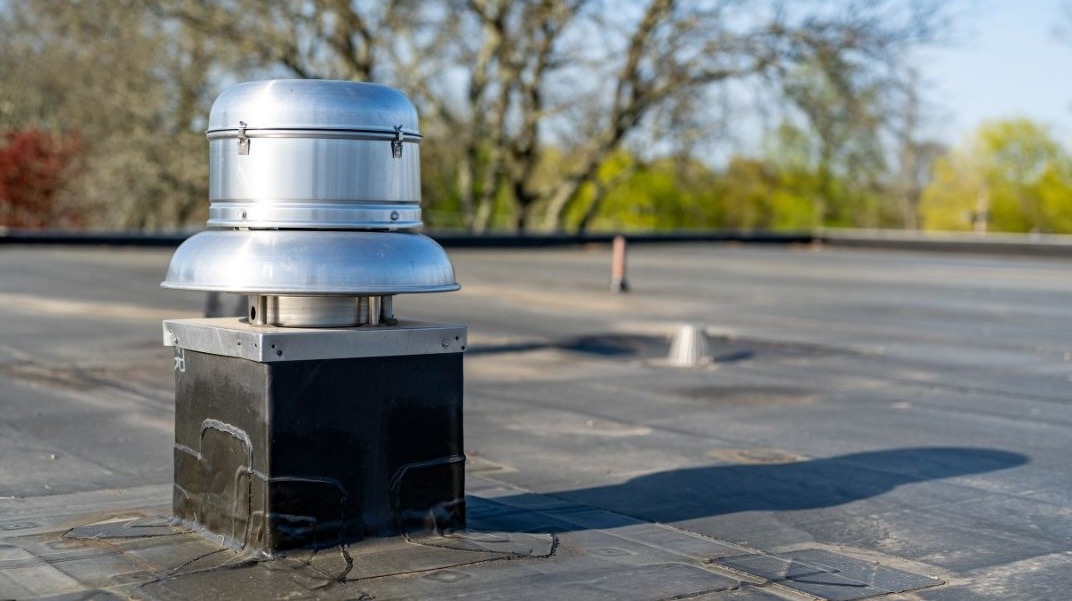
EPDM rubber roofing is a synthetic single-ply membrane designed for flat and low-slope roofs, forming one continuous waterproof layer that can be fully adhered, mechanically attached, or ballasted. A well-installed EPDM roof typically lasts 20 to 30 years, with trade data pointing to an expected service life of 38 years. It excels on large open roofs, extreme-temperature climates, and projects where easy repairability matters.
-webp.webp?width=1050&height=592&name=flat%20roof%20(1)-webp.webp)
If you've gotten a couple of estimates for a flat roof and every contractor seems to be pushing a different material, you're not imagining the confusion. It's a lot to sort through when you're not a roofer yourself. So here's the plain answer: EPDM is a single-ply synthetic rubber membrane made for flat and low-slope roofs. It forms one continuous waterproof layer across the roof, and it can be fully adhered, mechanically attached, or held down with ballast. This guide is for property owners weighing a flat-roof replacement or repair, and it's meant to help you decide, not to sell you anything.
EPDM stands for ethylene propylene diene monomer (sometimes called ethylene propylene diene terpolymer). It's a synthetic rubber derived from petroleum-based feedstocks, engineered in a factory, and it's a different animal from the natural rubber you might picture. During manufacturing, a small amount of a third monomer enables crosslinking, which is what gives the finished sheet its elastic properties. That molecular structure is the reason the membrane can stretch and recover for decades. Manufacturers produce it as a flexible single-ply sheet designed to sit out in the weather, and the governing material standard is ASTM D4637, which spells out what a compliant EPDM sheet has to do.
The same ethylene propylene diene rubber shows up in places you'd never think about a roof. It's used as a hose material and oil coolers rely on it, and its elastic properties make it an ideal material for EPDM gaskets, door seals, window seals, hood seals, and trunk seals. That same rubber turns up in automotive weatherstripping, pond liners, and other construction materials, and it's a base for related compounds like thermoplastic vulcanizates. That everyday track record across so many construction materials tells you something about long term durability. It's one of the most widely used low-slope roofing membranes, with decades of history in commercial roofing. You'll find EPDM rubber on commercial buildings, residential additions and extensions, and green roofs where a reliable membrane matters.
.jpg?width=4000&height=3000&name=Copy%20of%20DJI_0663%20(1).jpg)
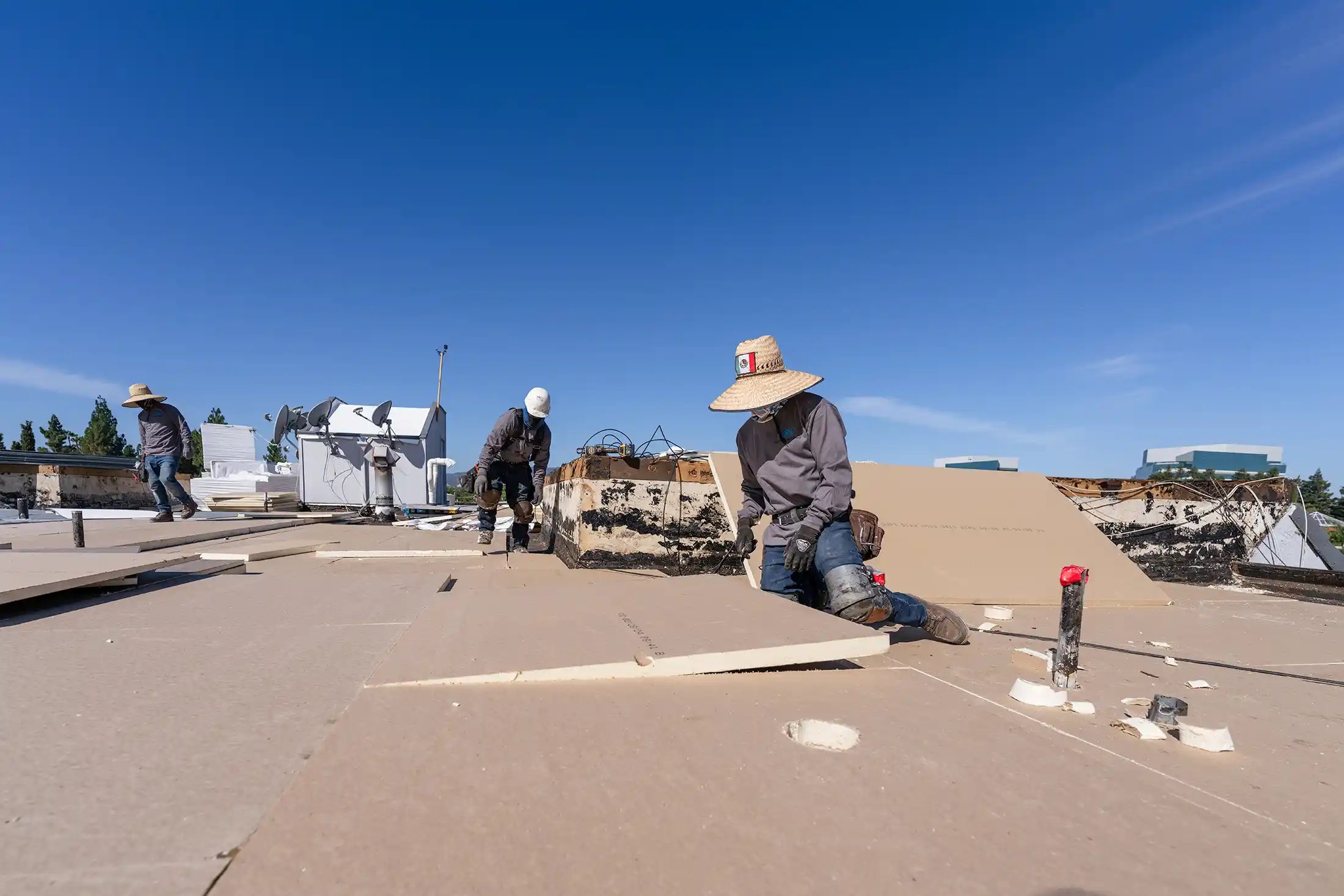
This is the part most guides skip, and it's the whole ballgame. EPDM works as an assembly, not as a lone sheet of rubber. The membrane gets its performance from everything under and around it. Like most low-slope roofing systems, a typical EPDM roof includes:
The membrane creates a continuous waterproof barrier, and because EPDM rubber is highly flexible, it moves with the roof as temperatures swing without cracking. But water finds the weak spots. Where sheets overlap, the roof relies on adhesive or tape seals to stay watertight. Seams, edges, and drainage are where a roof holds up or fails, no matter how good the rubber is.
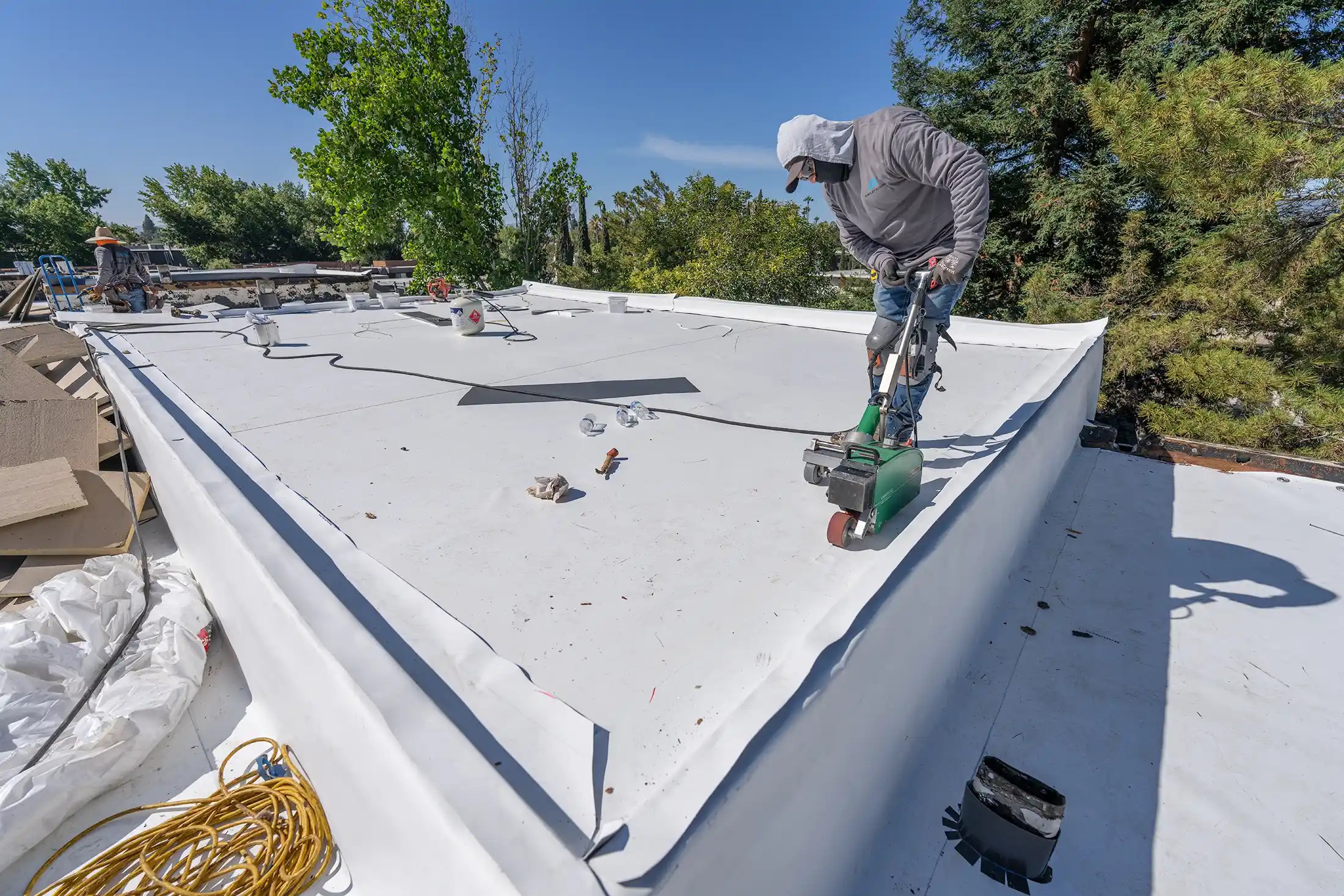
There are three main ways EPDM rubber gets installed, and the right one depends on the building and wind exposure:
Large sheet sizes are a real advantage here. ERA states ballasted systems can use panels up to 50 feet by 200 feet, and fully adhered systems up to 30 feet by 100 feet. On wide, open roofs, that means fewer seams, and fewer seams means fewer places to fail.
A well-installed EPDM roof typically lasts 20 to 30 years with proper maintenance. For the longer view, ERA's 2025 technical bulletin puts the expected membrane service life at 38 years, based on lab and in-situ testing plus input from more than 550 roofing professionals. Treat that as trade-association data, not a warranty. A separate ERA-cited 2010 study looked at five EPDM roofs with 28 to 32 years of field service, and the samples still held their mechanical properties near the specs for new material.
The pattern is clear: installation quality and regular maintenance drive lifespan far more than the material name on the estimate. Kept clean and maintained properly, the membrane delivers long term performance well into its later years.
EPDM earns its reputation in a few specific situations:
That mix of flexibility, weather resistance, and easy repair is why EPDM rubber has stayed a go-to for so long. Its outstanding resistance to sun and temperature stress, including real UV resistance built to shrug off ongoing UV exposure and UV radiation, is a big part of the appeal for property owners who want a membrane they can forget about for years. Priced by the square foot, it stays a durable, sensible option for many building types.
An honest answer includes the flip side. EPDM isn't the right call everywhere:
On color: black EPDM uses carbon black to convert UV into heat, while white EPDM uses titanium dioxide to reflect it. That's not a simple "black bad, white good" rule, but it does matter for California projects, which we'll get to next.
You don't need a materials science degree to compare these roofing systems. A few decision points do most of the work:
For context, TPO is the most commonly installed flat-roofing membrane in the U.S., and EPDM stays competitive on materials and installation costs among single-ply options. It also compares differently against steep-slope products like asphalt shingles, which serve a different roof entirely. PVC and EPDM answer different problems, so the right choice comes down to your building and how the roof gets used. We won't publish a dollar-figure cost comparison here, because your real number depends on your roof. Use the instant online estimate for that. A deeper side-by-side comparison lives in its own article.
ere's the piece most flat-roof guides ignore. Walnut Creek sits in California Climate Zone 12, and low-slope roof replacements can trigger Title 24, Part 6 cool-roof requirements, especially when 50% or more of the roof is being replaced. For low-slope roofs (defined as pitch under 2:12), relevant climate zones call for a minimum aged solar reflectance of 0.63, a minimum thermal emittance of 0.75, or a minimum SRI of 75, with exceptions and insulation tradeoffs available. The 2025 California Building and Energy Code took effect January 1, 2026.
What this means for you: a dark membrane may not comply on its own. Depending on your energy goals, you might need white EPDM, a reflective coating, an insulation tradeoff, or a performance path. A good contractor verifies the code path and product ratings before recommending any of these materials. This is general information, not legal advice.
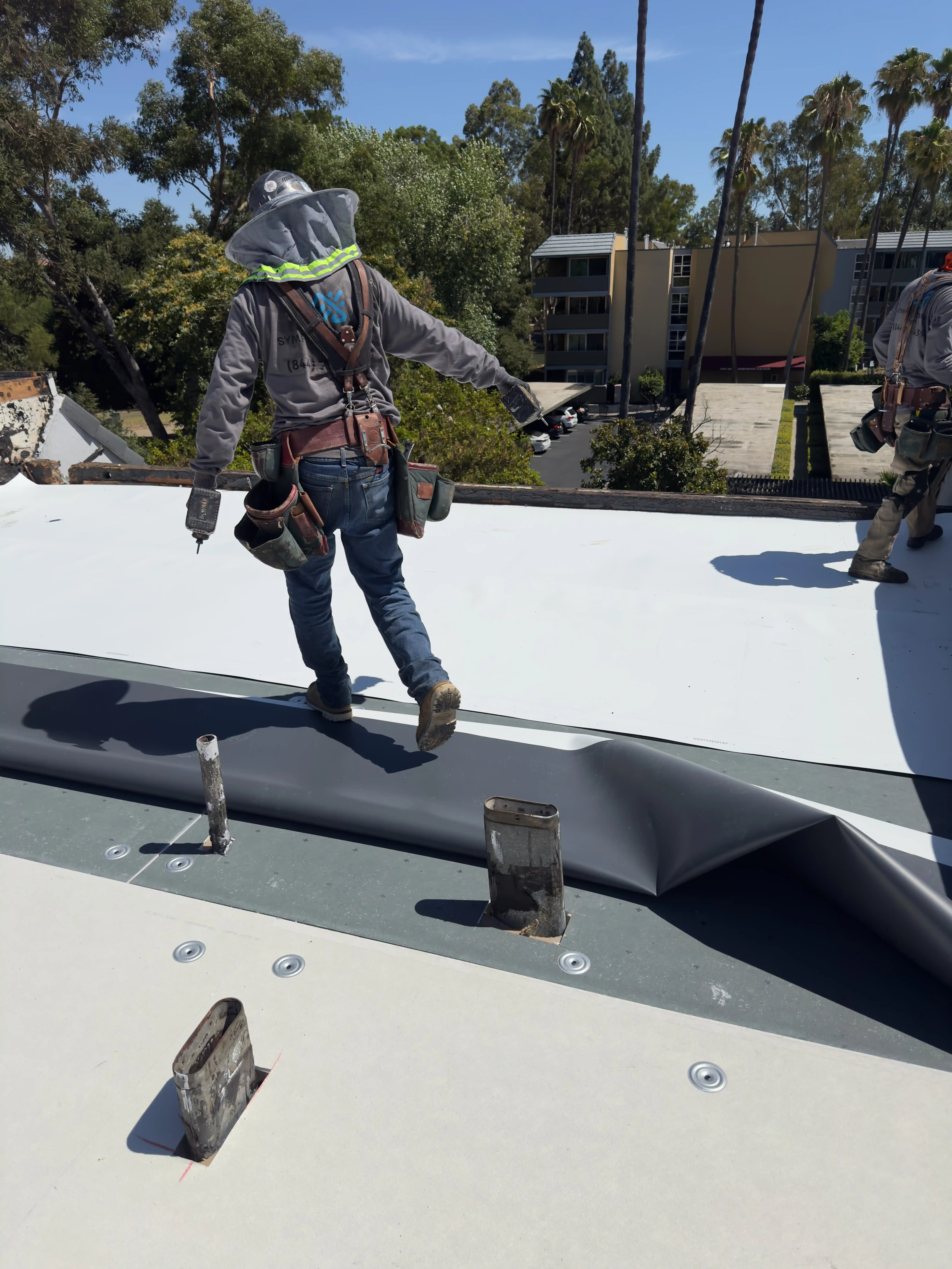
If you want a roof that reaches the high end of its lifespan, the checklist is practical:
SPRI recommends inspecting low-slope roofs at least twice a year and after any major storm. EPDM is relatively low-maintenance and easy to patch, but that maintenance is what keeps a small issue from becoming a leak. Because environmental factors and weather all take their turn on a membrane, that routine care is what helps extend service life. On commercial buildings especially, a twice-yearly walk catches loose flashing and worn seals before water gets under the membrane, and it protects the performance building owners are counting on.
You shouldn't have to take a day off work just to get a straight answer, and you shouldn't get ghosted once you sign. That's the problem we set out to fix. An honest EPDM estimate should start with our instant online estimate (noted as about 95% accurate) so you get real numbers without pressure. From there, we use drone and satellite review, a virtual estimate or Zoom call if that's easier for you, and a photo-documented inspection so you actually see your roof. Then we lay out your options side by side and keep you updated every step of the way. No "trust me, it's fine" energy.
We're licensed and insured (CA CSLB #1108246) and an Owens Corning Platinum Preferred Contractor, which lets us back qualifying work with a 50-year material warranty and 25-year workmanship warranty. Whether the roof is on your home or a building you manage, we help residential and commercial property owners weigh their options honestly. Ready when you are: Get an Instant Quote, Request a Virtual Estimate, or call us at (415) 549-1588.
Typically 20 to 30 years, and often longer with proper installation and maintenance. Trade data from ERA points to an expected service life of around 38 years under good conditions.
Common thicknesses run 45 to 60 mil, with thicker options available up to 90 mil. The right choice depends on your roof system, warranty, and code requirements, not thickness alone.
Traditional black EPDM absorbs heat in warm climates, it can be damaged by grease and petroleum exposure, and some owners don't love the look of a black membrane. Good drainage and detailing solve most other concerns.
Both are single-ply materials, but they're built for different jobs. PVC gets heat welded seams and stronger chemical resistance, which suits restaurants and industrial buildings. EPDM relies on adhesive seals and tends to shine on large, open roofs where flexibility and durability matter most.
Yes, with care. For areas that see regular foot traffic, walkway pads help protect the membrane from wear. It's the same tough rubber family used in siding trim, seals, and gaskets, so it holds up when it's installed and detailed right.
It can, but a dark membrane may need white EPDM, a coating, an insulation tradeoff, or a performance path to comply with Title 24 in Bay Area climate zones. Your contractor should confirm the code path first.
1 min read
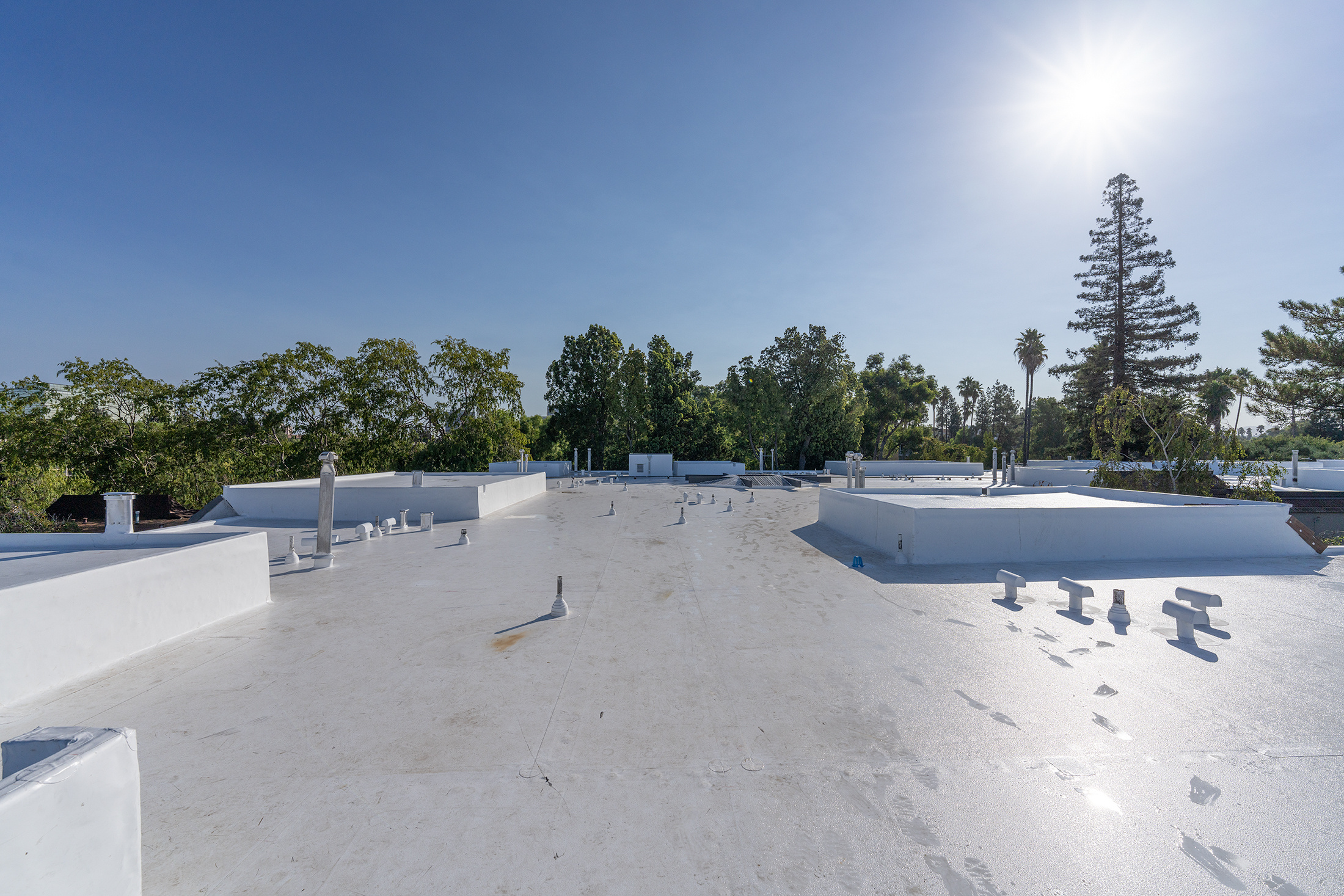
Takeaway Roof coatings, including silicone and acrylic elastomeric types, can extend flat roof life by roughly 10 to 20 years, but only when the...
1 min read
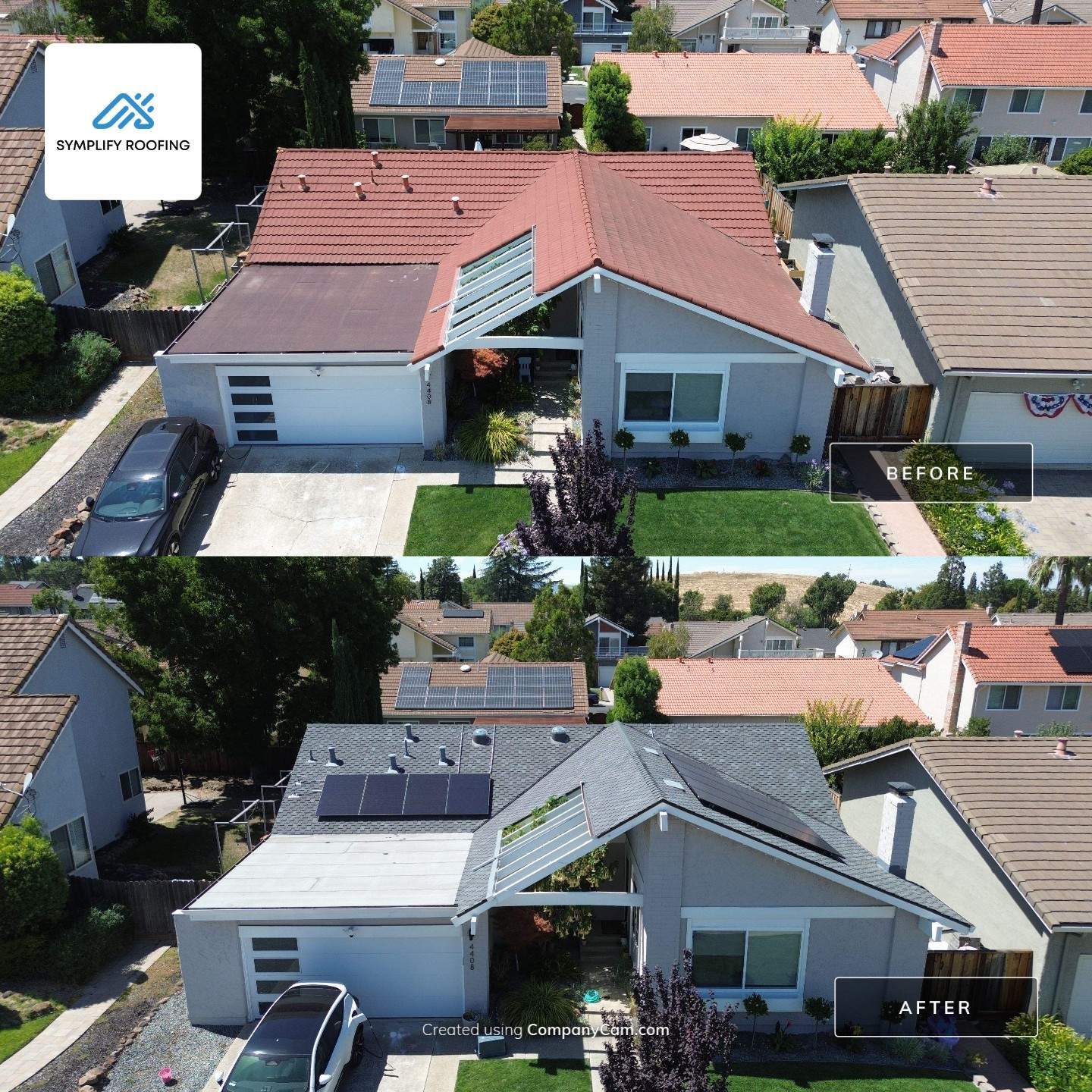
Key Takeaway If your roof has fewer than about 10 years of life left, replace your roof before going solar. Solar panels last 25 to 35 years, so a...
1 min read
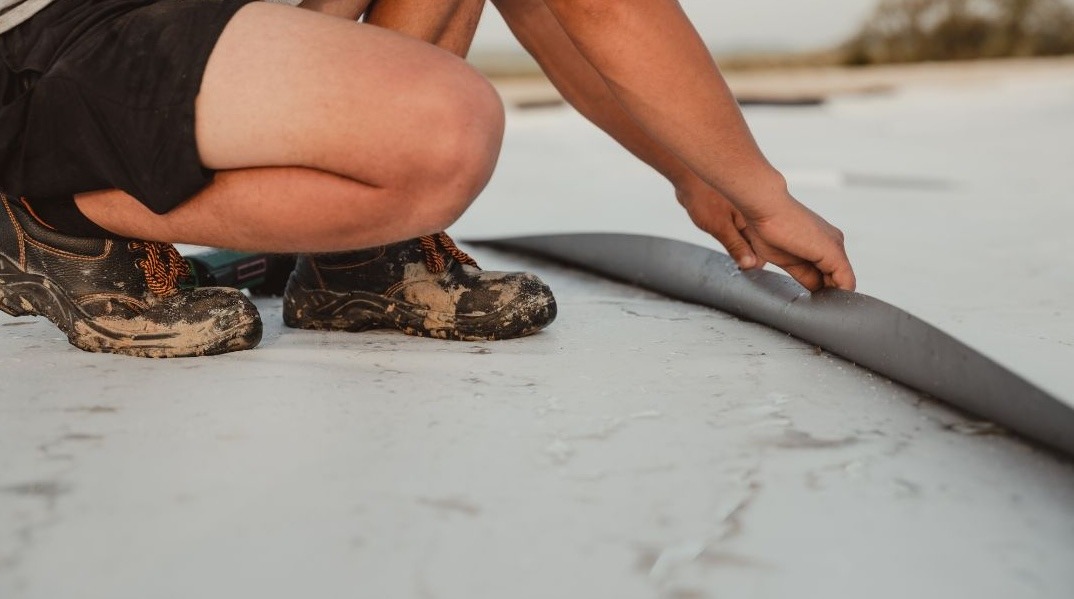
Key Takeaway PVC roofing membranes are single-ply, heat-welded thermoplastic sheets that commonly last 20 to 30 years and excel when a flat or...