
What Warranty Should I Expect on a New Roof?
Replacing a roof is a substantial investment for most homeowners, and the warranty plays a major role in protecting that investment. When planning a ...
7 min read
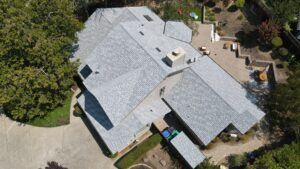
Most homeowners are safer and more comfortable leaving home during a roof replacement due to loud noise, safety risks, and potential disruptions. However, with careful planning and clear communication with your roofer, it’s possible to stay home, but expect significant inconvenience—especially for families, pet owners, or remote workers.

Considering a major home improvement like a roof replacement raises an important, practical question: Should I stay home during roof replacement? Homeowners in vibrant, dense neighborhoods like Walnut Creek face unique logistical and lifestyle considerations—ranging from sensitive pets to remote work schedules, strict HOA guidelines to safety for young children. While some may want to supervise a big project, others worry about comfort, disruption, and safety. In an era of home offices and family routines, the answer isn’t always simple.
At Symplify Roofing, we know that respecting your living environment and minimizing surprises is just as important as technical excellence. As an Owens Corning Platinum Contractor, our process emphasizes trust, safety, and proactive communication—so you can plan your life with clarity, regardless of whether you stay or go during roof replacement.
Understanding what’s involved during a full roof replacement helps you anticipate possible disruptions. Here’s a streamlined view of the process:
Roof replacement is inherently intrusive. Expect high noise levels from hammering and machinery, vibrations traveling through walls and ceilings, falling debris (mostly outside, but occasionally inside attics or garages), and increased foot and vehicle traffic around your property. Interior dust is common, especially if you have open attic spaces.
Most residential roof replacements take 1-3 days, weather and project complexity permitting. Multi-story homes or intricate tile jobs may take longer, while straightforward asphalt shingle replacements usually finish quicker. Your roofer should provide you with a personalized project timeline in advance.
Quick Tip: The first day is often the loudest and most disruptive, as removal of the old roof produces the most debris and noise. Plan accordingly if you are sensitive to sound or have young kids or nervous pets at home.

Construction zones pose risks: nails and debris can unexpectedly fall from the roof, workers move frequently around your property, and walkways can become hazardous. Professional roofers keep these risks to a minimum, but your safest bet—especially for young children or seniors—is to avoid all active work areas.
The constant pounding, drilling, and movement can make it very difficult to hold conversations, nap babies, or work from home. Vibrations may cause items to shift or drop from shelves, and the presence of workers around windows can compromise privacy.
Your homeowner’s insurance likely covers accidental damage, but staying out of active work zones is a smart liability move. Most reputable roofers carry strong insurance, but open communication—like informing your crew about vulnerable areas or medical concerns—helps everyone stay protected.
Roofs are replaced from the outside, but your driveways, walkways, and sometimes even front doors could be partially blocked by equipment or materials. Plan for alternate entry/exit points and communicate with your contractor if you need consistent access.
Quick Tip: If you must stay home, keep children and pets indoors and away from exterior doors and windows during active construction. Mark off-limits areas visibly and speak with your site lead about daily schedules or emergencies.
In regions prone to hot weather or wildfire risks, project timing and safety precautions are especially important. For example, certain adhesives and safety gear perform differently in extreme heat. Your comfort and safety indoors may also be impacted by temporary loss of attic insulation or ventilation during replacement.
If you live in a community subject to HOA rules or tight municipal oversight, jobsite hours, street parking, and noise regulations may create additional constraints, affecting both your schedule and your decision to stay home. Work with a roofer who is deeply familiar with local compliance requirements—like Symplify Roofing—to prevent fines or neighbor disputes. We handle all HOA submittals and city permits, simplifying the process for you.
If your home is attached to others (like townhouses) or has multiple stories, expect amplified vibrations and noise traveling through walls and shared attic spaces. You may also need to coordinate with neighbors or building management, especially in densely populated communities.
Quick Tip: Inform your contractor about any neighbors, building rules, or special scheduling limits upfront. This allows for better planning and fewer surprises that could delay your project or add to your stress.

Working from home during a roof replacement is a challenge. Even with noise-canceling headphones, persistent loud disruptions can make screen calls and focused work impossible. If you must stay home, coordinate with your contractor to identify any windows of relative quiet—such as lunch breaks—or plan for alternate locations on the busiest days.
Babies, elderly family members, and individuals with respiratory or sensory sensitivities are most vulnerable during roof work—due to noise, dust, and vibrations. Relocating these family members, even briefly, can help maintain everyone’s well-being. At the very least, set up rooms farthest from the work zones, add air filters, and use sound machines.
Pets commonly become anxious due to loud, unpredictable sounds. Dogs and cats, in particular, can be disturbed by vibrations and the presence of unfamiliar workers. Consider kenneling pets, or making advance arrangements for them to stay elsewhere during the noisiest phases. If you need them home, confine them to quiet interior rooms and provide plenty of comforting distractions.
Quick Tip: Prevention is best. Even if you intend to stay home, make a written plan with your roofing team about how you’ll manage sensitive family members, pets, and workspace disruptions day by day.
Our crews are trained to minimize their footprint, keeping active construction areas clearly marked and containing mess with tarps, barriers, and caution signs. We’ll work with you to define boundaries between work and living zones and communicate daily about which areas require extra care.
A project is only as smooth as the way problems and changes are relayed. Symplify Roofing’s process includes pre-arrival briefings, daily status updates, and easy access to your project leader for urgent questions. We’ll let you know exact schedules, upcoming disruptions, and when it’s safe to use doors or driveways.
Quick Tip: The more your roofing crew knows about your routines and needs, the better they can schedule or adapt work activities to minimize disruption. Never hesitate to over-communicate in the planning stages.

Roofing contractors should never consider a project complete until all waste and hazardous materials are removed. At Symplify Roofing, our promise is a spotless site—including debris removal, magnetic nail sweeps, and restoration of patios and lawns to their pre-project condition whenever possible.
Although professional crews take care to sweep for stray nails or shards, we recommend that homeowners remain cautious when first returning to patios, gardens, or walkways—especially if children or pets are present. Inspect common pathways and outdoor furniture carefully.
Before you sign off, accompany your crew leader on a final walkthrough. This lets you review workmanship, check for forgotten nails, confirm attic access is clear, and make note of any concerns. Documentation, warranty paperwork, and photos should be provided for your records.
Quick Tip: Don’t rush back in. Wait for your roofer’s official sign-off, and check for overlooked areas—especially in hidden corners, gardens, or attic entryways—before fully resuming routines.
No two roofs—or families—are the same. Our mission at Symplify Roofing is to deliver not just a new roof, but total peace of mind: top-tier safety, ultra-clean job sites, and the industry’s most responsive communication. We answer every question, adapt our workflow to your needs, and treat your home as if it were our own. Whether you stay or go during roof replacement, you’re always in control of the process.
Roofing generates loud noise and vibrations that can cause stress for pets; it’s safest to relocate them or set up a protected, quiet space away from the work zone whenever possible.
Remote work can be highly challenging due to constant noise and interruptions; if remote work is essential, discuss quiet periods with your contractor or arrange offsite days.
Local weather (heat, wind, wildfire risk) and HOA rules can influence start times, duration, and noise limits; your roofing company should provide a plan reflecting these constraints, reducing surprises for you.
Yes, protect valuables from dust/vibration, cover or move sensitive items in the attic, inform your roofer of special needs, and plan for possible disruptions to routines—especially for young children or elderly residents.
We use jobsite barriers, magnetic nail sweepers, daily cleanup, and clear communication to minimize intrusions, exceeding Walnut Creek’s safety and permit requirements to protect your family and property.
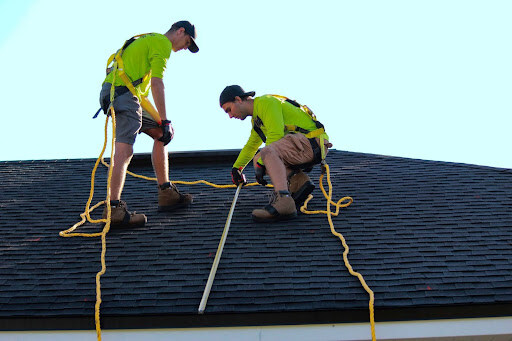
Replacing a roof is a substantial investment for most homeowners, and the warranty plays a major role in protecting that investment. When planning a ...
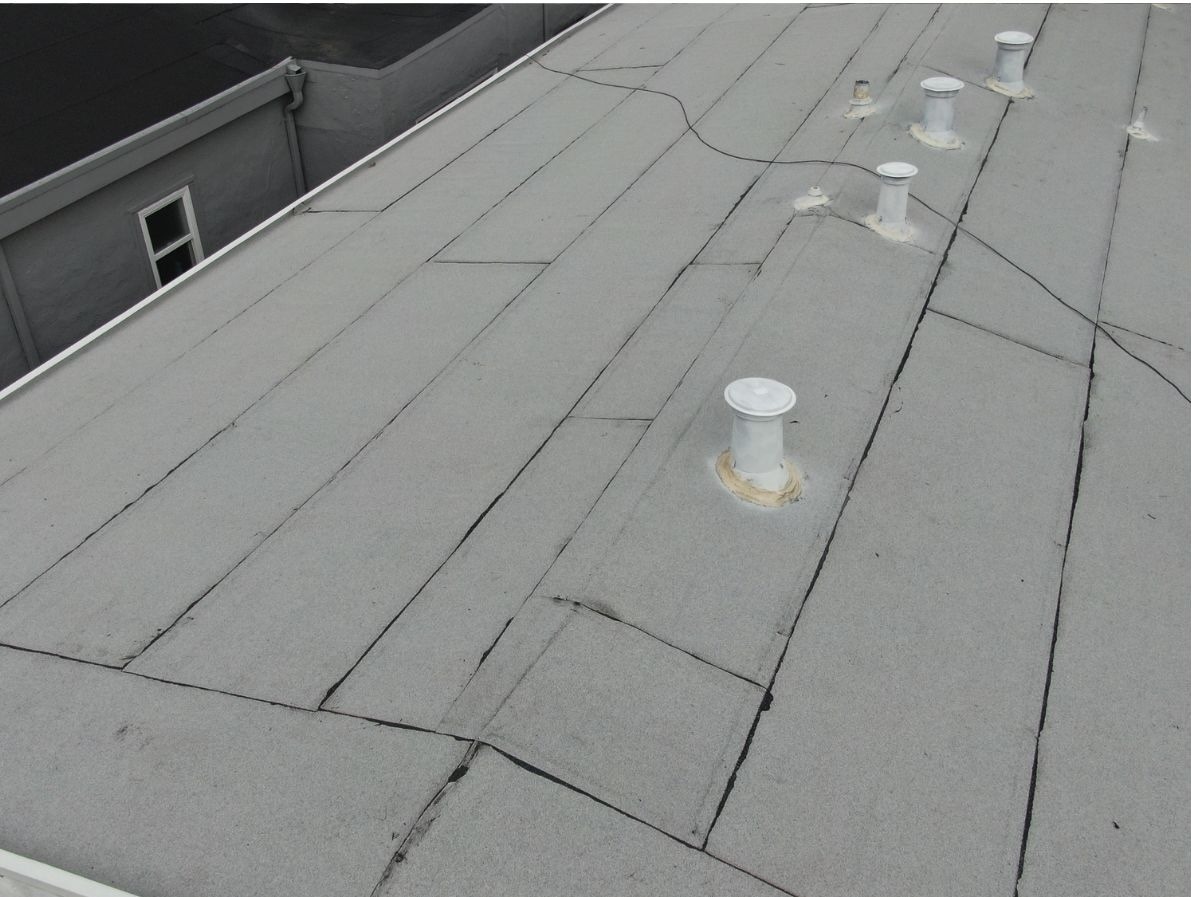
Quick Summary Roof leaks are one of the most frustrating problems homeowners face. The visible damage inside your home is rarely where the problem...
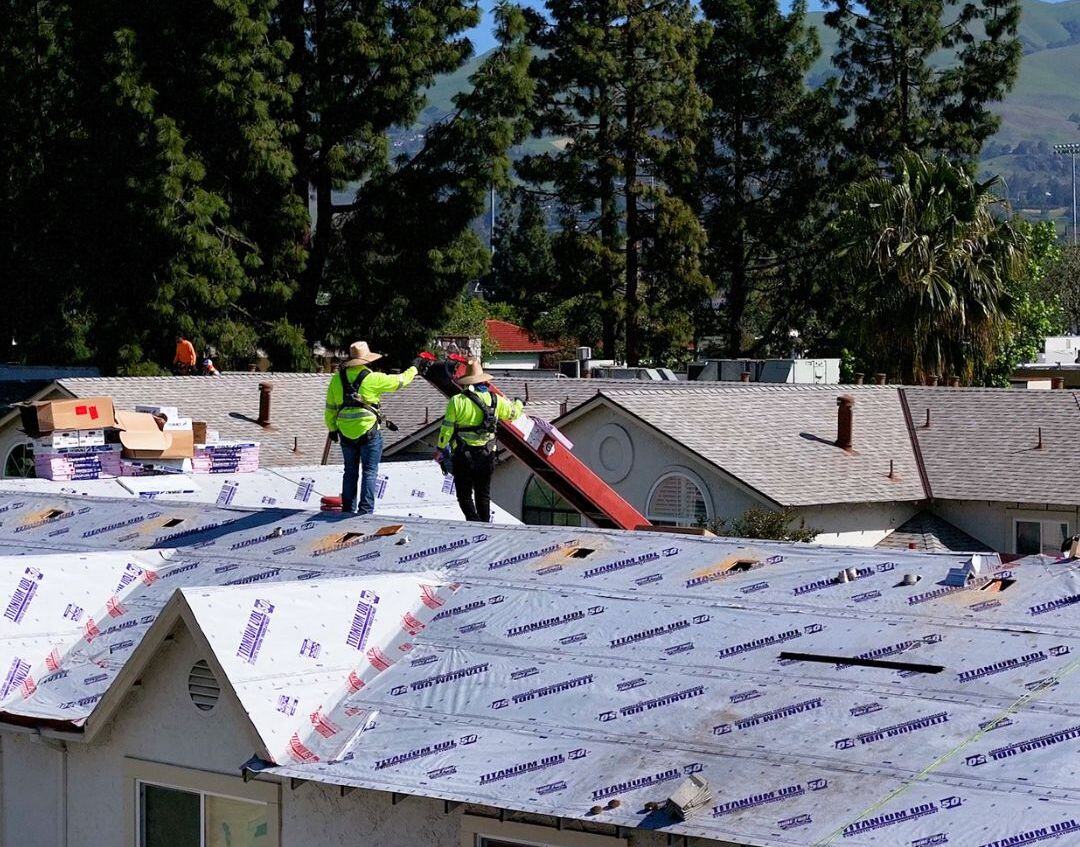
AI Overview: To maintain a roof in harsh weather conditions, homeowners should schedule regular inspections, promptly address minor damages, and...