1 min read
How to Find the Pitch of a Roof
Key Takeaway: Finding your roof's pitch involves measuring the vertical rise over a 12-inch horizontal distance, using tools like a tape measure...
5 min read
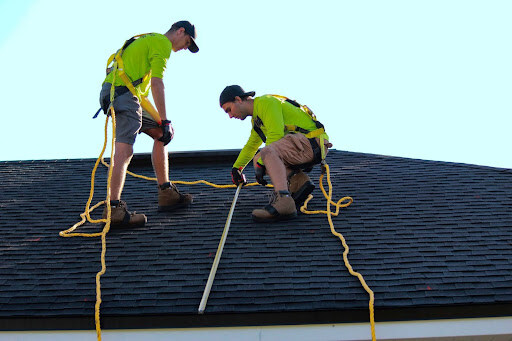
Replacing a roof is a substantial investment for most homeowners, and the warranty plays a major role in protecting that investment. When planning a roof replacement, many homeowners ask the same question, what warranty should I expect on a new roof? The answer is not as simple as a single document or promise. In 2025, roofing warranties are layered, detailed, and closely tied to the roofing contractor you choose and the roofing materials installed on your home. Understanding how roofing warranties work helps you avoid surprises, compare options clearly, and move forward with confidence knowing your new roof is properly protected. Roofing warranties protect homeowners from certain risks, but only when expectations match reality and the roof is properly installed from the start.

Roofing warranties are more complex than many standard warranties because a roof is not a single product. It is a complete roof system made up of shingles, underlayment, ventilation components, flashing, and fasteners. Roofing manufacturers control the quality of their specific materials, but they do not control the roofing installation or the installation process used on your home. The roofing contractor controls how the roof is installed, but does not manufacture the shingles or accessories. Because responsibility is divided, manufacturer and workmanship warranties exist separately. Most warranties include conditions, exclusions, and fine print that homeowners overlook until a warranty claim is denied. Understanding these layers is essential before starting any roofing project.
A roofing material warranty is provided by the shingle manufacturer and covers defective materials caused by a manufacturer defect. In 2025, most asphalt shingle warranties fall under a basic limited lifetime warranty. This type of lifetime warranty means coverage lasts as long as the original homeowner owns the home, not forever. During the initial period, often called the non prorated periods, the manufacturer pays for replacement shingles if defective shingles are confirmed. After that initial period, coverage becomes prorated coverage, meaning the manufacturer pays less over time. Material warranty coverage typically does not include labor costs or cover the cost of removal unless upgraded. Asphalt shingle warranties can vary between leading manufacturers, but most warranties follow a similar structure. Architectural shingles, standard shingles, and other specific materials each carry their own terms.
A workmanship warranty is provided by the roofing contractor and addresses installation errors. These contractor warranties protect homeowners from problems caused by improper installation techniques, including flashing issues or fastening mistakes. A workmanship warranty cover usually includes roof leaks caused by contractor error. In 2025, many contractors offer workmanship coverage ranging from one to ten years. The roofing contractor’s workmanship warranty is one of the most important forms of protection because even the best roofing materials can fail if they are not properly installed. Contractor coverage reflects experience, training, and confidence in the installation process. A reputable roofing contractor stands behind their contractor's workmanship and provides clear documentation.
Extended warranties offered by roofing manufacturers provide the most comprehensive coverage available. These extended warranties require installation by a certified contractor and the use of a complete roof system. Enhanced coverage often includes both the manufacturer’s warranty and workmanship coverage together. In these cases, the manufacturer pays for both materials and labor costs when qualifying defects occur. Extended coverage typically offers a longer coverage period and may reduce prorated periods. Not all roofing companies can offer these warranties, and eligibility depends on certification, proper ventilation, and correct installation of new materials.

The best roofing warranty combines multiple layers of protection. A strong warranty package includes a material warranty with meaningful non prorated periods, a clear workmanship warranty, and enhanced manufacturer coverage when available. Manufacturer and workmanship warranties should complement each other, not overlap or leave gaps. The best roofing warranty is clearly explained, registered promptly, and supported by a roofing company with a proven track record. Roofing warranties protect homeowners best when expectations are realistic and all requirements are met.
Most warranties do not cover damage caused by extreme weather, falling tree limbs, hail, hurricanes, or foot traffic after installation. Improper maintenance, poor ventilation, and structural movement are also common exclusions. Improper installation techniques may void coverage if the roofing installation does not meet manufacturer guidelines. Most warranties also exclude damage from unauthorized repairs. Understanding what the warranty cover does not include helps homeowners avoid denied warranty claim situations later.

A new roof typically comes with multiple warranty timelines. The material warranty may last decades, but the most valuable protection occurs during the initial period. Workmanship coverage is especially important during the first several years after the roof replaced. Prorated periods reduce the value of coverage over time, which is why early protection matters most. A standard roofing warranty may look impressive on paper, but real protection depends on the details.
Extended warranties can be worth the investment when they provide comprehensive coverage that includes labor costs and workmanship coverage. Extended coverage is most valuable when paired with a certified contractor who installs a complete roof system. Some extended warranties simply extend prorated periods without meaningful added value. Homeowners should compare standard warranties to extended warranties carefully and focus on what is actually covered.

Certification matters because roofing manufacturers limit enhanced warranties to contractors who meet strict standards. A certified contractor completes specialized training, follows manufacturer guidelines, and is subject to inspections. This protects homeowners by ensuring the roof system is installed correctly. Working with a roofing company that holds certification allows access to the best warranty options available. Certified contractors offer greater peace of mind and stronger contractor coverage.
Before signing a contract, homeowners should ask what warranties are included, who provides them, and how long they last. Ask if the workmanship warranty cover includes labor costs and what installation errors are covered. Confirm whether the warranty is transferable to a new homeowner and what actions may void coverage. Understanding contractor warranties upfront prevents confusion later.

Many homeowners believe a lifetime warranty means unlimited lifetime coverage. In reality, lifetime coverage has conditions and prorated periods. Another myth is that all roofing warranties are the same. Standard warranties vary widely, and the roofing contractor plays a major role in protection. Some believe roofing materials matter more than installation, but improper installation can void even the strongest manufacturer’s warranty.
To protect your roof and its warranty, keep all documentation and registration records. Schedule inspections, especially after extreme weather. Address necessary repairs promptly through the original roofing contractor when possible. Avoid unauthorized modifications, improper maintenance, and unnecessary foot traffic. Proper care helps preserve warranty protection and extend roof life.

Residential roofing represents a long-term commitment to your home. A new roof impacts safety, energy efficiency, and property value. Roofing warranties protect that investment and provide peace of mind. For most homeowners, the roof is one of the largest upgrades they will ever make. Strong warranty protection ensures that the substantial investment is backed by accountability.
Roof leaks are covered only when caused by defective materials or installation errors covered under workmanship coverage. Storm damage and improper maintenance are typically excluded.
Many manufacturer warranties allow transfer within a limited timeframe. Contractor warranties vary by roofing company.
Poor ventilation, improper maintenance, unauthorized repairs, and failure to follow manufacturer guidelines can void coverage.
Labor costs are usually excluded unless included in a workmanship warranty or enhanced manufacturer coverage.
Yes, poor ventilation is a common reason warranty claims are denied.

When asking what warranty should I expect on a new roof, homeowners should expect multiple warranties working together. The best protection comes from quality roofing materials, professional roofing installation, and a reputable roofing contractor who stands behind their work. Roofing warranties protect your home when they are clearly explained, properly registered, and supported by experience. A well-installed roof with strong warranty coverage delivers long-term value, confidence, and peace of mind for years to come.
1 min read
Key Takeaway: Finding your roof's pitch involves measuring the vertical rise over a 12-inch horizontal distance, using tools like a tape measure...
1 min read
Key Takeaway: Shingle roofs typically last 20 to 30 years, but factors like material quality, installation, and maintenance significantly affect...
1 min read
AI Overview: The average asphalt roof lasts 20–30 years, but factors like shingle quality, installation standards, and local climate in Walnut Creek...