1 min read
What Does a Roof Pipe Do?
Key Takeaway: A roof pipe serves vital functions such as ventilation and drainage, crucial for maintaining indoor air quality and proper water...
6 min read
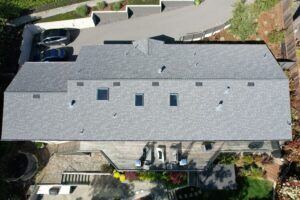
Finding your roof's pitch involves measuring the vertical rise over a 12-inch horizontal distance, using tools like a tape measure and speed square. Roof pitch is crucial for material selection, drainage efficiency, and energy efficiency, impacting overall roof performance. Accurate pitch measurement and understanding ensure proper roof installation and maintenance.

Roof pitch refers to the steepness or angle of a roof, calculated by the number of inches the roof rises vertically for every 12 inches of horizontal distance. This measurement is crucial in determining the roof's ability to shed water and snow, affecting both its aesthetics and functionality. A steeper roof pitch often enhances water drainage, reducing the potential for leaks and extending the roof's lifespan. In construction, understanding the roof pitch is vital for accurate roof measurements and ensuring the structural integrity of the building. It also helps in deciding the best roofing materials based on the angle and weather conditions the roof will face.
Understanding your roof's pitch is essential because it influences the choice of roofing materials, the roof's structural integrity, and the overall design of your house. A proper pitch ensures that your roof can withstand local weather conditions, including snow and rain. It also impacts attic space and ventilation, which are crucial for maintaining energy efficiency in your home. Additionally, the roof pitch can affect the aesthetic appeal and resale value of a property, making it an important consideration for homeowners and real estate agents alike.
Traditional tools such as a tape measure, a level, and a speed square are staples for measuring roof pitch. Using a tape measure, you can find how many inches the roof rises over a one-foot span. A speed square helps in ensuring accurate measurements, while a level is essential to keep your measurements level and steady. It's important to use these tools correctly to avoid errors, as even slight inaccuracies can lead to significant issues in construction or renovation projects, affecting both the function and appearance of the roof.
For those seeking more precision, digital tools like roof pitch calculators and smartphone apps can offer accurate measurements quickly. These tools often utilize the phone's camera and sensors to determine the angle of the roof, providing instant calculations. However, they require a basic understanding of how to operate them and interpret the results correctly. Using a roof pitch calculator can save time and reduce human error, especially in complex roof designs where manual calculations become cumbersome.

To measure the pitch from the roof surface, start by placing a level horizontally on the roof. Mark the spot on the level that is 12 inches from the starting point. Then, measure the vertical rise from the roof at this point using a tape measure. This gives you the pitch ratio, such as a 4/12 pitch, meaning the roof rises 4 inches for every 12 inches horizontally. This method is straightforward and provides a clear visual representation of the roof's slope, making it easier to communicate specifications to contractors and architects.
Measuring from the attic can be safer and provides similar accuracy. Position a level horizontally along the underside of a rafter. Mark 12 inches along the level, then measure vertically from this point to the rafter. This method reduces the risk of accidents and can provide a clear view of the roof's structural elements for more accurate measurements. Additionally, it allows for a better assessment of potential issues such as sagging or misalignment that might not be visible from the roof surface.
Roof pitch is typically expressed as a ratio, such as 6/12, indicating the roof rises 6 inches for every 12 inches of horizontal run. This can also be converted into degrees using trigonometric functions for a more precise angle measurement. Understanding both expressions is crucial for communicating with contractors and ensuring the correct materials and techniques are used. For instance, a 45-degree angle corresponds to a 12/12 pitch, which is essential for designing roofs in areas with heavy snow to prevent accumulation.
Common roof pitches range from 4/12 to 9/12 for residential homes, with steeper pitches being more prevalent in areas with heavy snowfall to facilitate better snow shedding. Each pitch value has implications for the design and material selection, with steeper pitches often requiring more complex installation techniques and specific materials to ensure durability and safety. Understanding these common values can help homeowners make informed decisions about renovations or new construction projects.

Low-pitched roofs, typically under 4/12, require materials that can effectively prevent water penetration, such as metal roofing or specialized membranes. These materials are designed to provide a watertight seal, crucial for preventing leaks and maintaining the roof's integrity. Selecting the right material involves considering factors such as the roof's exposure to weather, the building's architectural style, and budget constraints, ensuring that functionality and aesthetics are balanced.
Steeper pitches, such as those above 6/12, can accommodate a wider variety of materials, including asphalt shingles and tiles. These materials are less prone to water pooling and offer enhanced aesthetic appeal, making them popular choices for residential roofing projects. However, the installation of these materials on steep pitches requires careful planning and skilled labor to ensure safety and durability, often leading to higher construction costs.
The roof pitch significantly impacts water drainage efficiency. A steeper pitch facilitates quick water runoff, reducing the risk of leaks and water damage. Conversely, low-pitched roofs require effective drainage systems to manage water flow and prevent pooling. Proper drainage design is essential to protect the building's foundation and prevent long-term damage, which can lead to costly repairs and potential structural failures.
Gutters play a critical role in complementing the roof's pitch by directing water away from the house's foundation. Proper gutter maintenance and replacement are essential to ensure they function effectively, especially for roofs with lower pitches where drainage can be challenging. Regular inspection and cleaning of gutters can prevent clogs and overflow, safeguarding the home's exterior and landscaping from water damage.

The pitch of a roof can influence the efficiency of attic insulation. Steeper roofs often provide more attic space, allowing for better insulation installation, which contributes to maintaining a consistent indoor temperature and reducing energy costs. Efficient insulation is crucial for minimizing heat loss in winter and keeping the home cool in summer, ultimately lowering utility bills and enhancing comfort.
A roof's pitch can also affect ventilation processes. Adequate ventilation is necessary to prevent heat buildup and moisture accumulation, which can lead to structural damage and decreased energy efficiency. Ensuring proper ventilation aligns with the roof's pitch is crucial for long-term performance. Effective ventilation systems can extend the lifespan of roofing materials and improve indoor air quality by reducing humidity and removing pollutants.
Professional roof inspections are vital for assessing the roof's pitch and overall condition. An experienced inspector can provide insights into potential issues and recommend necessary repairs or adjustments to ensure the roof's longevity and performance. Regular inspections can identify problems before they escalate, helping homeowners save on repair costs and maintain the value of their property.
While professional inspections are recommended, homeowners can conduct preliminary assessments by checking for visible signs of damage and verifying the pitch with basic tools. Regular inspections can help identify issues early, minimizing repair costs and extending the roof's lifespan. Simple tasks such as clearing debris and inspecting for loose or missing shingles can be done safely from the ground or a ladder, reducing the risk of accidents.

In areas like Walnut Creek, CA, local climate considerations play a significant role in determining the appropriate roof pitch. The region's weather patterns influence the choice of materials and pitch to ensure adequate drainage and resistance to local environmental conditions. Adhering to building codes not only ensures safety and compliance but also optimizes the roof's performance against regional weather challenges.
Building codes often dictate minimum pitch requirements to ensure structural safety and performance. Understanding these requirements is essential for compliance and helps homeowners make informed decisions about roofing projects. Adherence to these codes guarantees that the roof can support expected loads, such as snow or wind, and prevents future legal and financial liabilities.
One common myth is that steeper pitches are always better, but this isn't necessarily true. While steep pitches offer better drainage, they can also increase construction complexity and costs. It's important to balance design preferences with practical considerations. Evaluating the specific needs and constraints of a project can lead to a more cost-effective and efficient roofing solution.
Flat roofs are often misunderstood as being prone to leaks, but modern materials and installation techniques provide effective water management solutions. Proper maintenance and drainage systems are key to their longevity and performance. Innovations in materials such as single-ply membranes and liquid coatings have significantly improved the reliability of flat roofs, making them a viable option for many architectural styles.
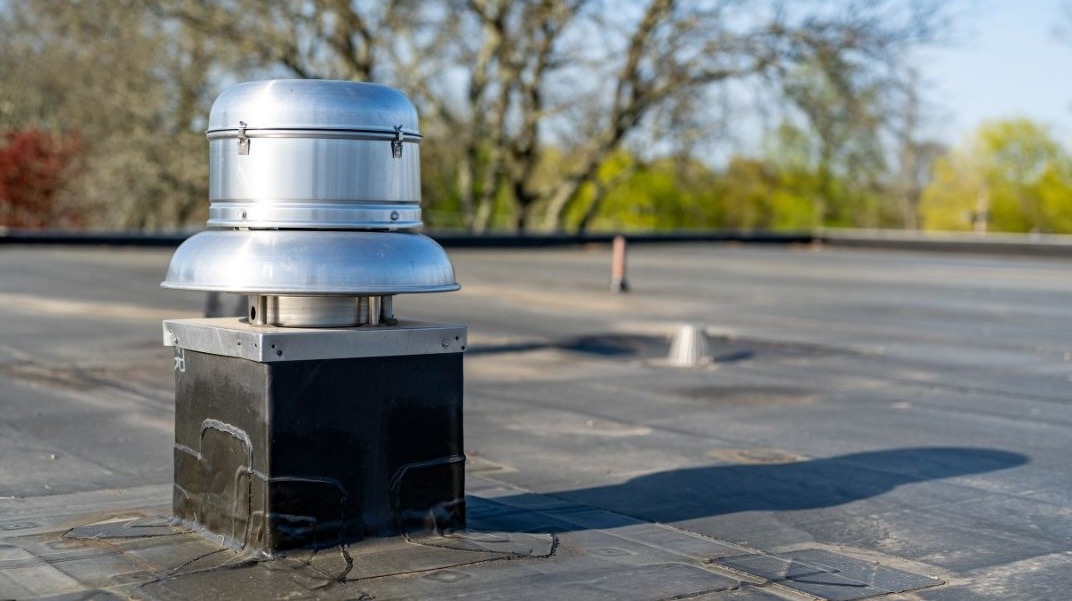
1 min read
Key Takeaway: A roof pipe serves vital functions such as ventilation and drainage, crucial for maintaining indoor air quality and proper water...
1 min read
aKey Takeaway EPDM rubber roofing is a synthetic single-ply membrane designed for flat and low-slope roofs, forming one continuous waterproof layer...

1 min read
Key Takeaway: The 25% rule in roofing guides decisions on whether to repair or replace a roof based on damage extent, impacting cost and longevity....