1 min read
Roof Ventilation Explained: How Proper Airflow Protects Your Roof
Key Takeaway Proper roof ventilation works by drawing fresh air in through low intake vents and releasing hot air out through high exhaust vents,...
8 min read
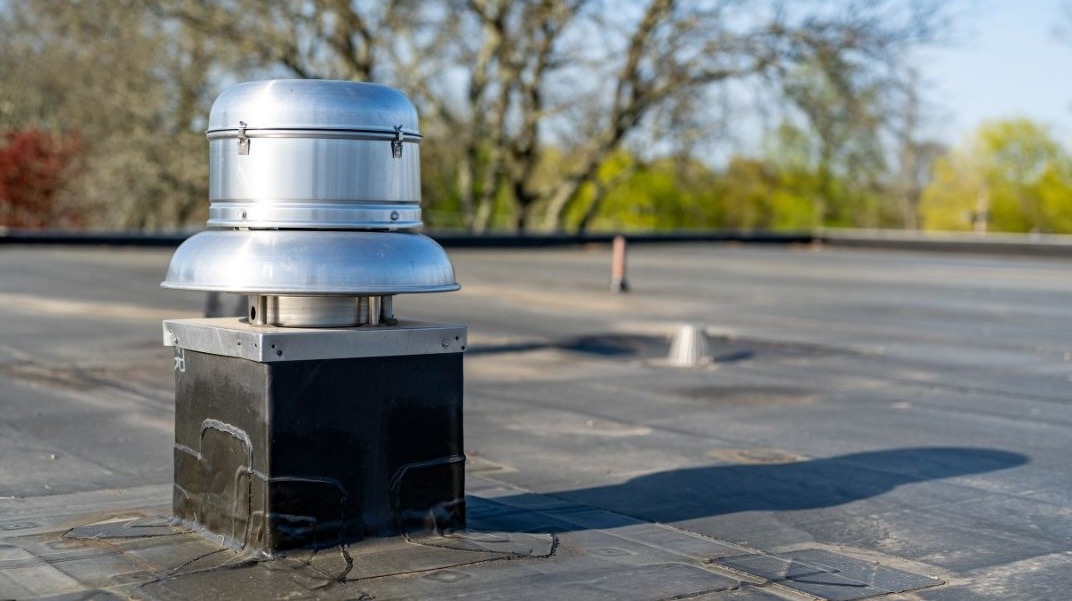
A roof pipe serves vital functions such as ventilation and drainage, crucial for maintaining indoor air quality and proper water flow. They prevent sewer gases from entering the home, allow proper airflow in the attic, and ensure the plumbing system functions efficiently. Regular inspections and proper installation are key to avoiding common issues like leaks and blockages.

A roof pipe is an essential component of a building's roofing system, designed to facilitate ventilation and drainage. These pipes, often known as vent pipes or roof vent pipes, are integral to both the plumbing and drainage systems. Positioned strategically on the roof deck, they allow harmful gases to escape safely from the home and maintain the balance of air pressure within the plumbing system. Proper airflow is crucial to prevent sewer odors inside and ensure the plumbing fixtures work efficiently. In many infrastructures, the role of roof pipes extends beyond basic ventilation; they also aid in the reduction of pressure differentials that can cause p-traps to malfunction, ensuring that water flows smoothly through drain pipes without creating gurgling sounds.
Roof pipes play a critical role in protecting the indoor environment. By allowing proper airflow, they help prevent moisture buildup, which can lead to mold growth and other issues like slow drains or gurgling sounds from plumbing fixtures. Additionally, roof pipes are key to preventing sewer gases from entering the home, thus safeguarding indoor air quality. Moreover, they contribute to proper drainage, especially during intense summer heat or heavy rainfall, preventing water damage and ensuring the longevity of roofing material. In urban settings, where high-rise buildings are prevalent, roof pipes are crucial in managing the plumbing system's integrity, especially in preventing sewer smells from permeating living spaces due to their ability to expel sewer gases effectively.
Vent pipes are specifically designed to let hot air and harmful gases escape from the house, thus maintaining air pressure equilibrium. These pipes found on the roof help to mitigate sewer smells and prevent sewer odors inside the home. Vent stacks, a type of vent pipe, extend through the roof to ensure that sewer gases have an escape path, maintaining the plumbing system's efficiency. In multi-story buildings, vent pipes are often directly connected to the main stack vents, ensuring that each floor's plumbing fixtures operate without issue, thus preventing unpleasant odors and ensuring seamless air pressure balance throughout the building.
Drainage pipes are another crucial type of roof pipe, ensuring the proper flow of water from the roof. These pipes are part of the home's drainage system, directing water away from the roof and foundation, thereby preventing potential water damage. Proper sealing and pipe flashing are essential to ensure these pipes provide a waterproof seal, preventing leaks that could lead to slow drainage and other issues. In areas prone to heavy rain, the efficiency of drainage pipes is paramount to prevent debris accumulation and water stagnation, which could otherwise compromise the roof's structural integrity.

Roof pipes significantly enhance air circulation in the attic, which is essential for maintaining energy efficiency in a home. By allowing proper airflow, roof pipes help prevent hot air from becoming trapped, reducing the risk of intense summer heat buildup that can impact energy costs. This ventilation is also crucial for maintaining the structural integrity of the roof deck and preventing moisture-related issues. For homes with attached garages or kitchen range hoods, ensuring that roof pipes are correctly sized and positioned is essential to allow for the exhaust of humid air and prevent moisture buildup, which can lead to mold growth.
One of the primary functions of roof pipes is to prevent sewer gas entry into the home. Vent pipes accomplish this by providing a path for harmful gases to escape safely into the atmosphere. This process not only protects the inhabitants from exposure to sewer gases but also prevents the occurrence of sewer odors inside, which can be a common problem in homes with improperly installed plumbing vent pipes. In older homes where the plumbing system may have been retrofitted, ensuring that vent pipes are correctly integrated can prevent harmful gases from entering living spaces, thus maintaining a healthy indoor environment.
The placement of roof pipes is critical to their functionality. They must be strategically installed on the roof to ensure effective ventilation and drainage. The positioning should allow for the free escape of gases and proper water flow, avoiding any obstructions such as bird nests or roofing material that could hinder their operation. Additionally, pipes should be installed at a height that prevents blockages from snow or debris. In commercial buildings, where more than one fixture is often directly connected to the same vent pipe, precise placement is vital to prevent air pressure imbalance and ensure the plumbing system's efficiency.
Proper sealing and flashing are vital to the installation of roof pipes to prevent leaks and ensure a waterproof seal. Pipe flashing must be installed with precision to prevent water from seeping into the roof deck, which can cause significant damage over time. Sealants must be robust enough to withstand weather elements, including intense summer heat and prevent ice dams during colder months. In regions with significant temperature fluctuations, using high-quality, weather-resistant materials for pipe flashing can prevent leaks and extend the roof's lifespan.

Regular inspections are essential to maintain the efficiency and longevity of roof pipes. These inspections should focus on identifying and addressing any signs of damage, such as cracks in the pipe flashing or indications of moisture buildup. Regular maintenance can prevent costly repairs and ensure the roof pipes continue to function effectively, maintaining the air pressure balance in the plumbing system. In industrial settings, where roof penetrations are common, regular inspections are crucial to ensure that pipes allow air and water to flow properly, preventing operational disruptions and costly downtimes.
Common maintenance issues with roof pipes include blockages from debris, improper sealing, and wear and tear from weather exposure. Addressing these issues promptly is crucial to maintaining proper drainage and preventing sewer odors inside the home. Professional repair services can provide the expertise needed to handle these challenges, ensuring that roof pipes remain in optimal condition. In coastal areas, where salt air can corrode metal components, regular maintenance and the use of corrosion-resistant materials can prevent premature deterioration of roof pipes.
Integrating roof pipes with proper insulation can significantly enhance a home's energy efficiency. By improving air circulation in the attic and preventing moisture buildup, roof pipes reduce the load on HVAC systems, leading to lower energy costs. This integration helps maintain a consistent indoor climate, preventing the escape of conditioned air and the intrusion of outdoor temperature extremes. For homes with solar panels, ensuring that roof pipes do not obstruct sunlight exposure is critical to maximizing energy generation and achieving optimal energy efficiency.
Roof pipes contribute to reducing energy costs by improving the overall efficiency of the home's ventilation system. By preventing hot air from accumulating in the attic and ensuring proper airflow, these pipes reduce the need for cooling during the summer and help maintain warmth in the winter. This balance of air pressure and temperature regulation is essential for keeping energy expenses manageable. In smart homes, integrating roof pipes with automated ventilation systems can further enhance energy savings by optimizing air circulation based on real-time environmental conditions.

In asphalt shingle roofing systems, roof pipes are crucial for maintaining ventilation and preventing moisture buildup. The flexibility and durability of asphalt shingles make them compatible with various roof pipe installations, ensuring that the roofing material remains intact and effective in protecting the home. For homes in wildfire-prone areas, using fire-resistant materials for roof pipes and ensuring that vent openings are covered with screens can prevent embers from entering the attic and causing fires.
Tile and flat roofing systems present unique challenges and advantages for roof pipe installation. In tile roofing, the placement of vent pipes must account for the weight and layout of the tiles to prevent damage. Flat roofing systems require careful consideration of drainage pipe placement to ensure proper water flow, preventing water accumulation that can lead to roof leaks and structural damage. In high-wind areas, securing roof pipes with additional anchoring mechanisms can prevent displacement and ensure their continued functionality.
Improper installation of roof pipes can lead to a host of problems, including leaks, blockages, and ineffective ventilation. Ensuring that pipes are correctly installed with proper sealing and positioning is critical to avoid these issues. Professional installation services can provide the expertise needed to ensure that roof pipes function as intended. In older buildings undergoing renovation, updating roof pipes to meet current building codes can prevent future issues and enhance the overall safety and efficiency of the plumbing system.
Weather damage is a common issue affecting roof pipes, particularly those exposed to extreme conditions such as intense summer heat or heavy snowfall. Regular maintenance and inspections can help identify weather-related damage early, allowing for timely repairs and preventing more significant issues like roof leaks or structural damage. In regions with frequent hailstorms, using impact-resistant materials for roof pipes can prevent damage and extend their lifespan.

In a residential setting, a roof pipe failure can lead to significant indoor air quality issues and water damage. A case study of a home experiencing sewer odors inside revealed that an improperly sealed vent pipe was the culprit. By replacing the pipe and ensuring proper sealing, the issue was resolved, demonstrating the importance of professional installation and regular maintenance. This case highlights the ROI of investing in quality materials and skilled labor, as it prevents costly damage and ensures long-term functionality.
From the case study, it becomes evident that proactive maintenance and professional installation are key to preventing roof pipe failures. Homeowners should prioritize regular inspections and address minor issues promptly to avoid costly repairs. Investing in quality materials and experienced professionals can save time, money, and stress in the long run. In commercial settings, adopting a similar proactive approach can prevent operational disruptions and ensure compliance with safety standards.
Advancements in roof pipe technology are leading to the development of smart ventilation systems. These systems use sensors and automated controls to optimize ventilation, improving energy efficiency and indoor air quality. As technology evolves, these smart systems are expected to become more accessible to homeowners, offering enhanced control over their home's environment. For eco-conscious homeowners, integrating smart systems with renewable energy sources can further enhance sustainability and reduce the home's carbon footprint.
Sustainable materials are becoming increasingly popular in roof pipe construction, reflecting a growing emphasis on environmental responsibility. These materials offer durability and efficiency while reducing the ecological footprint of roofing installations. As sustainability becomes a priority for homeowners, the demand for eco-friendly roof pipe solutions is expected to rise. In urban developments, using sustainable materials in roof infrastructure can contribute to green building certifications and enhance the property's marketability.

1 min read
Key Takeaway Proper roof ventilation works by drawing fresh air in through low intake vents and releasing hot air out through high exhaust vents,...
1 min read
AI Overview: The average asphalt roof lasts 20–30 years, but factors like shingle quality, installation standards, and local climate in Walnut Creek...

1 min read
Key Takeaway: Roof leaks are commonly caused by damaged shingles, compromised flashing, and clogged gutters. Regular inspections and timely repairs...