1 min read
How to Measure Roof Slope: A Homeowner’s Guide
AI Overview: To measure roof slope, use a level and tape measure to determine the vertical rise over a 12-inch run, then convert that measurement...
7 min read
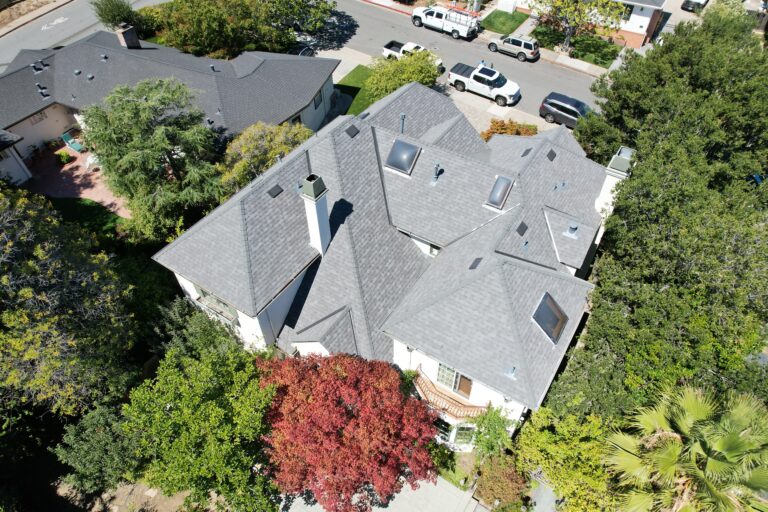
Thatched roofs can last 15 to 40 years in the U.S. depending on the type of material, craftsmanship, and maintenance routines. Water reed generally promises the greatest durability, but all thatched roofs require more frequent specialized care compared to modern roofing materials.

Thatched roofing is one of the most ancient and picturesque roofing methods in the world. Dating back thousands of years, it uses bundles of dry vegetation—such as water reed, straw, or rushes—layered and bound to create a water-resistant shelter. While it’s iconic in European cottage landscapes, thatched roofs do appear in select historical and custom homes across the United States. Their appeal lies in striking curb appeal and a natural, eco-friendly aesthetic.
Not all thatch is created equal. The main materials used for modern thatched roofing projects are:
While rare, thatched roofs can be found on restored historic homes, recreated English-style cottages, and in select eco-conscious custom home designs. These roofs draw interest for their uniqueness but are typically limited to areas with the expertise to maintain them.
The craft has evolved. Modern thatched roofs may utilize fire retardants, wire mesh (to deter wildlife), and advanced construction techniques. However, the core principles—thick, carefully layered bundles installed with an artisan's touch—remain unchanged, requiring a blend of old-world skill and modern materials science.
Quick Tips: A professionally installed water reed thatched roof, combined with consistent care, can last up to four decades—even in the U.S.—but expectations should be tailored to the specific climate and maintenance resources available.
The main thatching material is the #1 factor influencing longevity. For most homeowners considering or inheriting a thatched roof, the general lifespan is:
Thatched roofs are only as good as their installation—a high-quality thatch, laid by experienced hands, will shed water and resist decay much better. Sloppy workmanship can halve your roof’s lifespan and lead to leaks, bird/insect infestation, and rapid degradation. This is, perhaps, the single most overlooked factor by new owners of older historic homes.
Humidity, rainfall frequency, and the presence of mold or moss play major roles in lifespan. Coastal and humid climates add stress on thatch, while arid or well-drained areas prolong life. In wildfire-prone areas, roof installation methods with integrated fire-resistant barriers are essential.
The ridge—the topmost, most exposed part of the roof—usually needs replacement every 8 to 15 years, compared to the longer lifespan of the main thatch. Regular ridge maintenance protects the entire structure underneath from water intrusion and wind damage.
Quick Tips: Routine ridge replacement is crucial—even if the main thatch looks intact, a worn ridge can trigger leaks and shorten the roof’s overall life.

Preservation of a thatched roof is all about visibility and vigilance. Schedule inspections at least once or twice each year. Look specifically for:
Early repairs extend lifespan dramatically and prevent moisture from finding its way inside.
Moss can be gently raked or removed by a professional, but aggressive cleaning or pressure washing can do more harm than good. Birds may create nests inside unprotected thatch, so the use of netting or wire mesh is recommended. Chemical treatments for insects are available, but must be chosen to protect both the thatch and the natural ecosystem.
As the most weathered element of a thatched roof, the ridge should be evaluated every 3–5 years and typically replaced between every 8–15 years. Timely ridge repairs prevent water penetration into the layers below and provide a ‘first line of defense’ for your home.
The best results come from ongoing, gentle care and prompt address of issues. Common mistakes include patching with incompatible materials, allowing vegetation to grow over the eaves, or ignoring early signs of deterioration. Even one season of neglect can cut a thatched roof’s lifespan by several years.
Quick Tips: Designate a regular roof inspection schedule, avoid DIY repairs unless you have thatching experience, and favor preventative care over reactive fixes for trusted longevity.
Asphalt shingles are the standard in many U.S. homes, typically lasting 20–30 years with minimal maintenance. Thatched roofs can match or exceed these lifespans but demand much more frequent and specialized care. Upfront thatch installation costs are usually much higher, and insurance premiums can reflect perceived risk. For homeowners prioritizing ease and budget, modern roof repair and replacement often provides greater long-term value and less upkeep.
Clay tile and flat roofing solutions present alternate aesthetics and durability profiles—tile can last 50+ years, especially with proactive roof inspection and maintenance. While both tile and thatch offer unique curb appeal, tile is less resource-intensive over time, and far easier to insure.
No roofing material can replicate the visual warmth and storybook look of thatch. It adds a unique character with substantial ‘wow’ factor that asphalt, tile, or flat roofing can’t replicate. Still, balancing aesthetics with climate, safety, and cost is critical.
For most homeowners, thatched roofing works best as a restoration or custom feature, not a standard new-build solution. But for those prioritizing authenticity and historical accuracy, it remains a compelling—if intensive—option.
Quick Tips: Choose thatch for specialized historic properties or as a striking architectural statement—otherwise, consider modern materials for practicality, warranty options, and value.

Traditional thatch is combustible, but modern technology has made things safer. Fire retardant sprays, metal barriers, and improved thatching methods dramatically reduce risk. Some communities may require additional safety steps or fire detection systems. Always confirm local ordinances.
Finding coverage for a thatched roof is possible, but premiums tend to be higher than for conventional roofs due to perceived fire and maintenance risks. Policies may require proof of regular maintenance or documentation of fireproofing measures. Know your insurer’s standards before buying or installing thatch.
U.S. building codes vary widely. Some allow historic thatching with permits and inspections, while others are more restrictive. Research local building code requirements and factor these into any roof restoration or replacement decision.
Bring maintenance records, product documentation for fire retardants, and photographs of recent work. Ask about specific exclusions, and shop around for companies experienced with historic or specialty roofs.
Quick Tips: Ahead of purchase, ensure that both your fire mitigation plan and maintenance history align with your insurer’s requirements—documentation is key.
Often, the goal is to sustain a historic home’s character and improve its weather resistance. Many specialists now combine traditional thatch with breathable synthetic liners or incorporate hidden waterproofing layers without altering the roof’s visible appeal.
Advanced synthetic thatch products now allow for the genuine look of thatch with dramatically reduced maintenance needs and enhanced fire resistance. When restoring historic homes, these hybrid solutions may satisfy both preservation boards and your family’s peace of mind. For comparison, explore Symplify Roofing’s modern options such as seamless gutter replacement and integrated attic insulation to strengthen overall home protection.
Due to the complexity of conservation roofing, collaborating with a specialist is wise. They can recommend the best materials for both function and authenticity, help you navigate code requirements, and provide a maintenance plan to protect your investment.
Though Symplify Roofing doesn’t directly install solar, our team seamlessly coordinates with certified solar partners to ensure a new roofing system is designed to support solar panels, especially for older or specialty rooftops. For guidance on pairing roof and solar installations, see our roof installation service page.
Quick Tips: Pairing historic roof preservation with energy efficiency upgrades ensures comfort, code compliance, and long-term performance—always consult both roofing and solar professionals before undertaking a combined project.

With the right materials, quality craftsmanship, and vigilant care, a thatched roof can last 15–40 years—sometimes longer. However, regular inspections, quick attention to the ridge, and expert repairs are vital for passing the test of time.
Thatched roofs offer beauty, tradition, and uniqueness, yet demand more attention and carry more variables than most U.S. roofing systems. For those passionate about preservation or striking architecture, thatch could be the perfect fit—but most homeowners will benefit from modern, lower-maintenance alternatives.
If inheriting or considering a thatched home, partner with a roofing contractor experienced in both historic preservation and modern standards. For homeowners wanting a roof that’s both beautiful and dependable, Symplify Roofing provides professional inspections, repairs, and the guidance needed to protect your investment for years to come.
Quick Tips: If you’re unsure about thatched roof care, lifespan, or alternatives, schedule a consultation with a specialist to get clarity on your next steps.
Most thatched roofs in the U.S. last between 15 and 40 years, depending on material quality, climate, and maintenance routines.
Water reed is the most durable, often outlasting straw or rush options due to its density and resistance to rot.
Ridge sections usually require renewal every 8–15 years, far sooner than the main thatch layers.
Thatched roofs can be adapted for many climates but require special maintenance in humid, rainy, or wildfire-prone areas.
Thatched roofs require more frequent inspections and specialized care than asphalt or tile, which generally need less routine maintenance.
Modern fire retardant treatments and installation techniques greatly improve safety, but fire risk is still higher compared to non-combustible materials.
Many insurers will cover thatched roofs, but premiums can be higher, and coverage terms may vary—it's important to confirm specifics with your provider.
Advanced synthetic thatch options and careful restoration with improved techniques can provide the historic look with better durability and lower upkeep.
Seek out residential roofing specialists with experience in historic and specialty roofing—for general roof care, you can explore Symplify Roofing’s service pages for guidance.
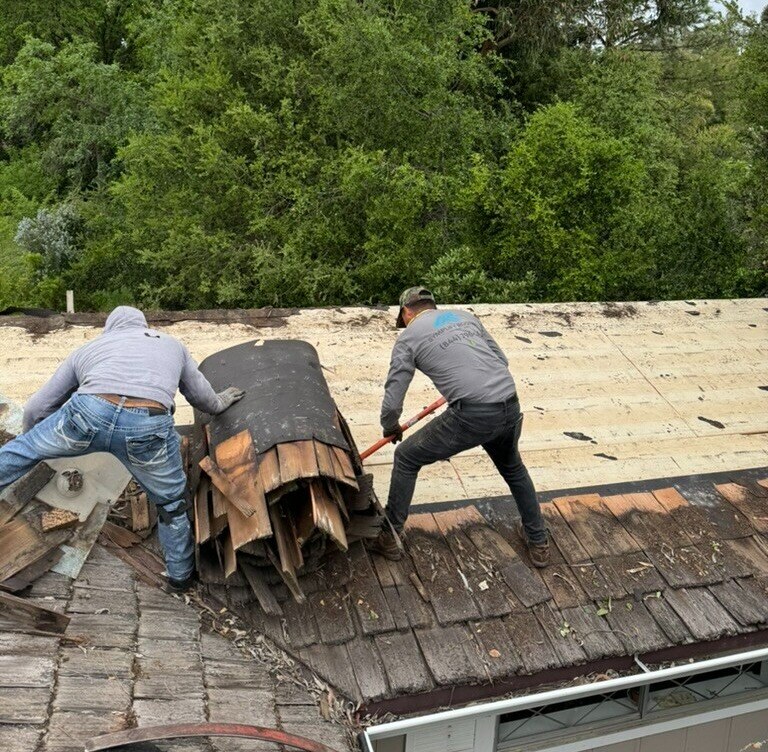
1 min read
AI Overview: To measure roof slope, use a level and tape measure to determine the vertical rise over a 12-inch run, then convert that measurement...
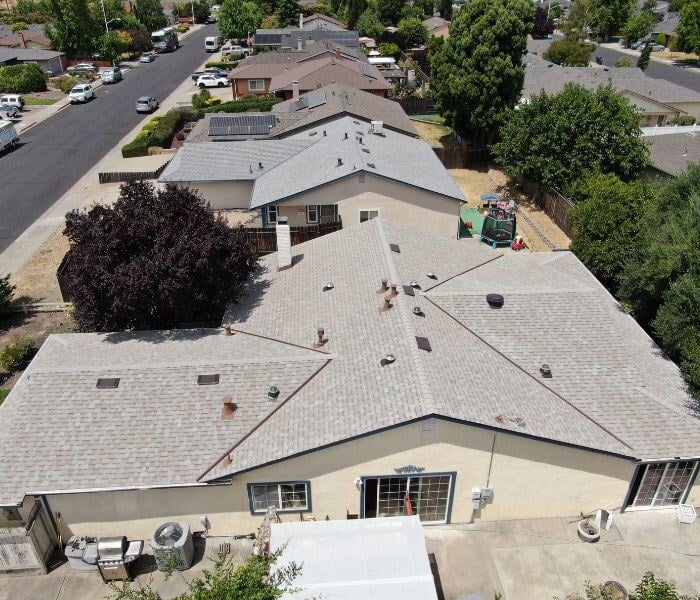
1 min read
AI Overview: The average asphalt roof lasts 20–30 years, but factors like shingle quality, installation standards, and local climate in Walnut Creek...
%20(2).webp)
1 min read
Key Takeaway Roof and attic insulation slows heat transfer between your living space, attic, and roof, directly lowering energy bills and evening...