1 min read
Will Insurance Cover a 20 Year-Old Roof? A Walnut Creek Homeowner’s Guide
Key Takeaway: Most insurers may cover a 20 year-old roof, but coverage is often limited and heavily dependent on the results of recent roof...
6 min read
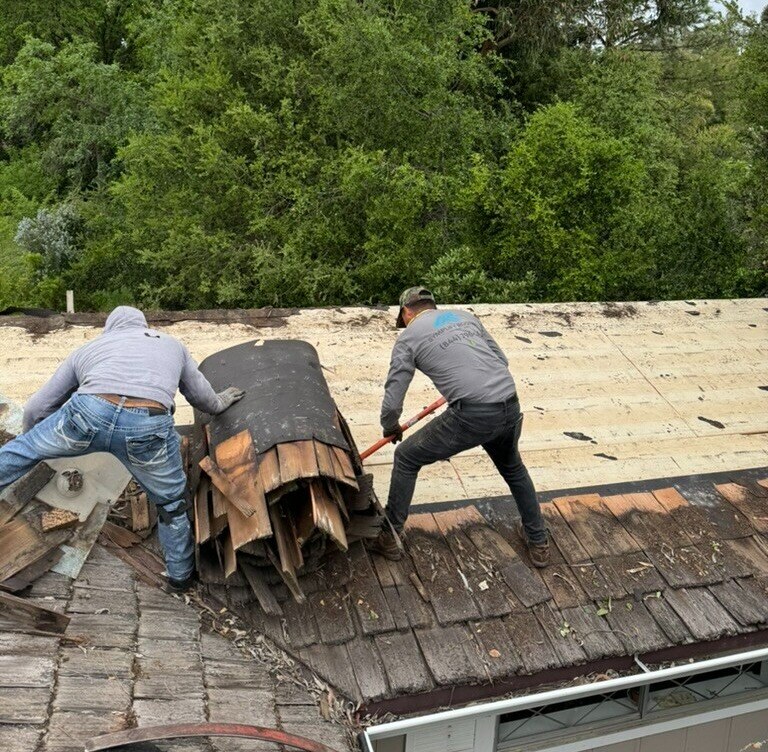
To measure roof slope, use a level and tape measure to determine the vertical rise over a 12-inch run, then convert that measurement into a pitch ratio or degrees. Accurate roof slope measurement helps ensure correct material selection, code compliance, and long-term roof performance for your Walnut Creek home.
Understanding your roof slope isn’t just for construction pros, it's essential for every homeowner interested in proactive care, safe upgrades, or just smart homeownership. Whether you’re planning repairs, thinking about a re-roof, or curious about your home’s suitability for solar, knowing how to measure roof slope is a powerful foundation for every roofing decision. At Symplify Roofing, we believe knowledge builds confidence. Let’s break down roof slope measurement step by step—practically, safely, and expertly.

Roof slope, often called pitch, is a measurement of how steep your roof is. It’s traditionally described as a “rise over run”: the number of inches your roof rises (vertical) for every 12 inches it runs (horizontal). For example, a 6:12 slope means the roof rises 6 inches for every 12 inches of horizontal distance.
The Bay Area’s winter rains and wildfire-prone summers put unique demands on roofing. Steeper slopes shed water faster and help protect against leaks, while the right pitch is often required for fire-safe construction. Insurance requirements and building codes also rely on correct roof slope measurements.
A properly sloped roof lasts longer, drains better, and meets code requirements. A roof that’s too flat in a wet climate like Walnut Creek’s can lead to leaks, rotten decking, and warranty voids. In fire zones, roof slope can also influence the types of fire-resistant materials you’re allowed to install.
Most serious homeowner injuries on the roof start with incorrect ladder use. Always set your ladder on stable, level ground, extend it at least three rungs above the eave, and have another adult present to spot you. Never climb in wet or windy conditions.
Sometimes, it's simply better not to walk on your roof. Access from the attic or using digital measuring tools from the ground can avoid unnecessary risk—especially on fragile, old, or tile roofs.

This simple method is industry standard. The 12-inch run is used for consistency and easy comparison between homes and products.
If attic access is easier and safer, find a rafter, and:
Attic measurements are just as accurate for most homes, without the risk of walking on the roof.
Many free or paid apps turn your smartphone into an inclinometer. Place your phone flat against the roof surface and read the pitch digitally (make sure your phone’s case doesn’t interfere).
Digital measurements are handy for quick estimates, especially on easy-to-access porch or garage roofs. However, for critical work (insurance, code, re-roofing), manual confirmation or a professional review is essential.

Most national and local building codes require a minimum 2:12 pitch for asphalt shingles and a 4:12 minimum for most tile applications. This ensures rain, debris, and wildfire embers run off efficiently. Area-specific wind and seismic codes may require additional bracing or underlayments for steeper roofs.
High rainfall and wildland fire zones common to Walnut Creek mean that correct roof slope isn’t just a good idea—it’s often legally required. Slopes impact how quickly your roof clears water and debris, and the ability to meet roof replacement code standards if you upgrade or re-roof.
Building a roof with insufficient slope can result in failed inspections, denied insurance claims, or even tear-off and rebuild orders. Materials like shingles on flat or low-slope roofs can result in leaks, premature aging, and voided warranties—increasing long-term costs for homeowners.
Most residential homes benefit from a 4:12 to 6:12 slope, supporting both shingle and tile roofs and ensuring safe, code-compliant water runoff.
If your roof slope meets manufacturer and code requirements, you’ll have a wider choice of materials, from classic asphalt shingles to architectural tile. Shallow slopes (under 4:12) may limit you to specialized products or require more frequent inspections to prevent ponding and leaks.
If you’re unsure about your slope’s suitability for replacement or upgrades, contact a reputable local pro. Our experts handle everything from measuring to recommending the best system for your needs, considering Walnut Creek's unique fire and weather requirements.
When in doubt, set up a comprehensive roof inspection—we provide clear, visual documentation of slope and overall roof health, with honest recommendations.
Learn more about the specific pros and cons for our region on our asphalt shingle roofing overview and tile roofing benefits guide.

Simple, straightforward roofs with accessible eaves can often be measured safely by homeowners following all safety precautions. Use multiple methods (manual and digital) to confirm the slope.
Professional roofers bring calibrated tools, decades of experience, and the ability to spot problems (like subtle sagging or code violations) that homeowners could miss. Plus, our findings come with clear documentation for insurance or permits—and we can integrate your slope data with solar, gutter, or attic insulation upgrades for maximum home performance.
Curious about your real roof slope or planning an upgrade? Reach out for a complimentary estimate or roof inspection service. Our team will measure your roof with precision, explain your options in plain language, and help you plan your next steps with complete confidence.
Roof slope directly affects drainage, long-term durability, and building code compliance—especially with the Bay Area’s rainfall patterns and fire zones.
Walnut Creek typically requires a minimum roof slope of 2:12 for asphalt shingles and higher for tile (commonly 4:12 or more), due to rainfall and local codes.
Yes, in many cases you can safely measure roof slope from the attic or use digital apps from the ground, avoiding unnecessary hazards.
Always use proper ladder setup, never work alone, avoid steep or wet roofs, and don’t attempt roof access if you’re unsure—call a professional for advice.
Slope determines which roofing materials are appropriate and affects drainage, energy efficiency, and how solar panels are mounted; our team ensures correct solutions for your specific slope.
1 min read
Key Takeaway: Most insurers may cover a 20 year-old roof, but coverage is often limited and heavily dependent on the results of recent roof...
1 min read
Key Takeaway: Thatched roofs can last 15 to 40 years in the U.S. depending on the type of material, craftsmanship, and maintenance routines. Water...
1 min read
Are you a homeowner in Berkeley, California, considering a roof replacement? Roofing projects are significant investments, and choosing...