1 min read
PVC Roofing Membranes: Strengths, Costs, and Best Uses
Key Takeaway PVC roofing membranes are single-ply, heat-welded thermoplastic sheets that commonly last 20 to 30 years and excel when a flat or...
7 min read
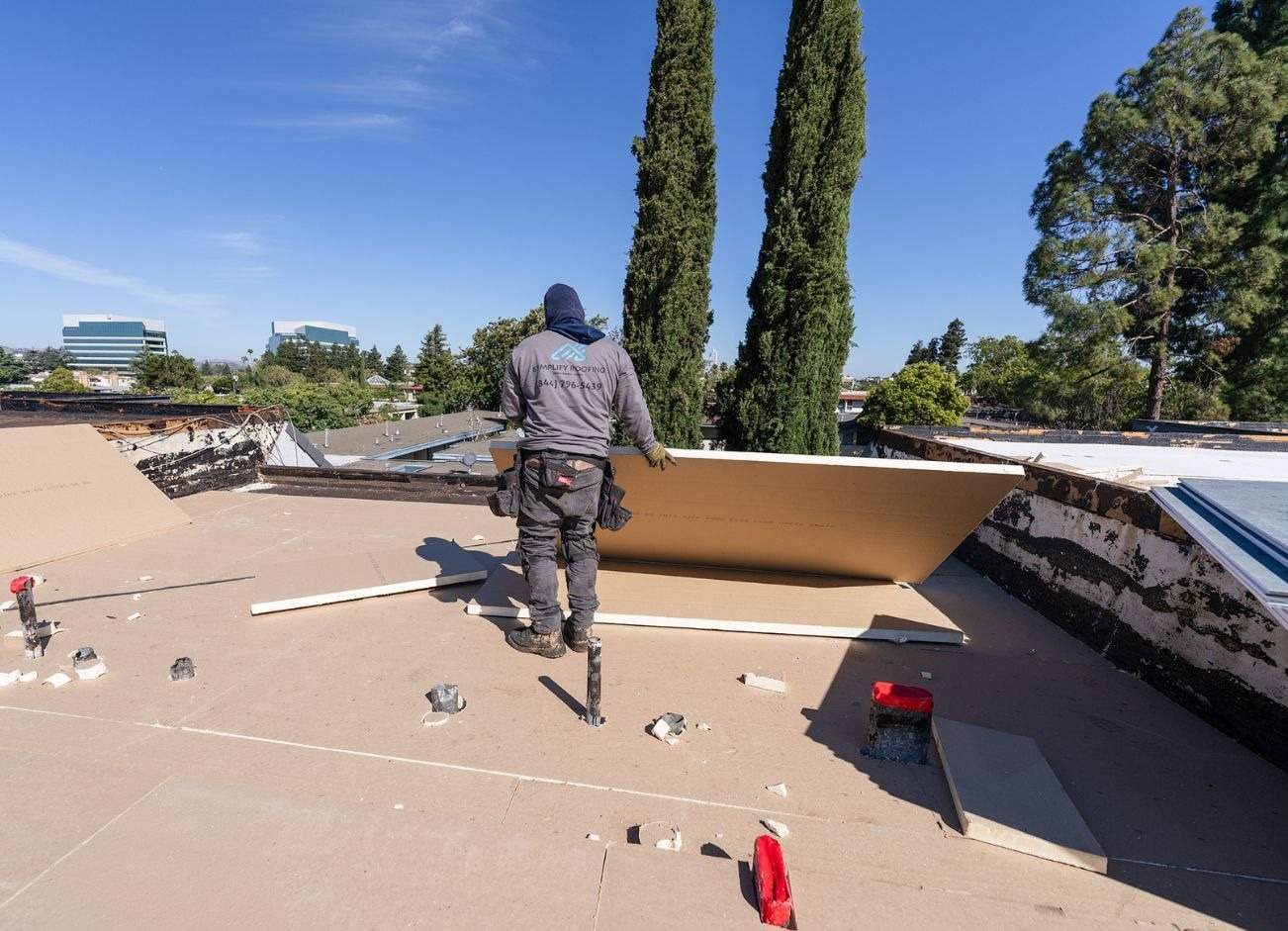
ey Takeaway
Commercial roof maintenance is a planned routine of inspections, cleaning, drainage checks, and minor repairs that protects your building's biggest asset and its long-term value. Most commercial roofs should be inspected at least twice a year, in spring and fall, plus after major storms. Proactive maintenance can extend a roof's lifespan to 25 or more years, while neglect often cuts it to 12 to 15 years.
If you manage a commercial building, the roof is easy to forget until it interrupts your day. Then it's a leak over a tenant's server room, and suddenly it's the only thing anyone can talk about. Here's the short version: commercial roof maintenance is a planned, documented routine of inspections, cleaning, drainage checks, minor repairs, and post-storm reviews that protects the roof system, the interior, your warranty records, and your ability to keep the business running. Most commercial roofs should be inspected at least twice a year, typically spring and fall, plus after major storms. If you're a building owner, property manager, or facilities lead, that cadence is your baseline. Maintenance is ongoing upkeep, not a one-time look.
%20(1).webp?width=810&height=635&name=commercial%20(1)%20(1).webp)
Your roof is the first thing standing between the weather and everything you care about inside: tenants, inventory, equipment, and the finishes that make the space usable. It's also one of the largest single investments in the building, a significant investment that quietly carries daily business operations. A roof shouldn't be managed by memory or by the old "we'll check it when it leaks" approach. Treat it as a managed asset and you protect two things at once: the building itself, and your options. Smart asset management keeps small problems small, and it keeps the decisions in your hands instead of a plumber's ceiling and a Monday morning surprise. A well maintained roof is quietly doing its job while you focus on running your commercial property. For most commercial property owners, this is where valuable assets earn their keep.
Here's the math that matters. Industry figures consistently show preventative maintenance runs a fraction of what reactive, emergency-driven repair costs, often on the order of several times less per square foot over the roof's life. A cost effective maintenance plan is the difference between routine upkeep and costly repairs down the line. A steady preventative maintenance program helps you catch issues early and save money before minor issues become expensive repairs. Neglect doesn't just cost more later; it shortens the roof itself and threatens its structural integrity.
| Approach | What it looks like | Typical roof's lifespan |
|---|---|---|
| Proactive maintenance | Regular inspections, prompt small repairs | 25+ years, often the full 20 to 30 year expected life |
| Reactive neglect | Wait for leaks, patch under pressure | Often cut to 12 to 15 years |
A minor repair caught early is far cheaper than repairing the water damage a missed leak causes inside the building. Regular commercial roof maintenance also protects your building's energy efficiency, since a sound roof membrane and clear drainage keep the roof performing the way it was designed to and hold down energy costs. This is the honest-premium view in a nutshell: the cheapest path is usually neglect, and neglect is the most expensive option of all. Preventive maintenance is simply how you protect a roof investment and its long term value.
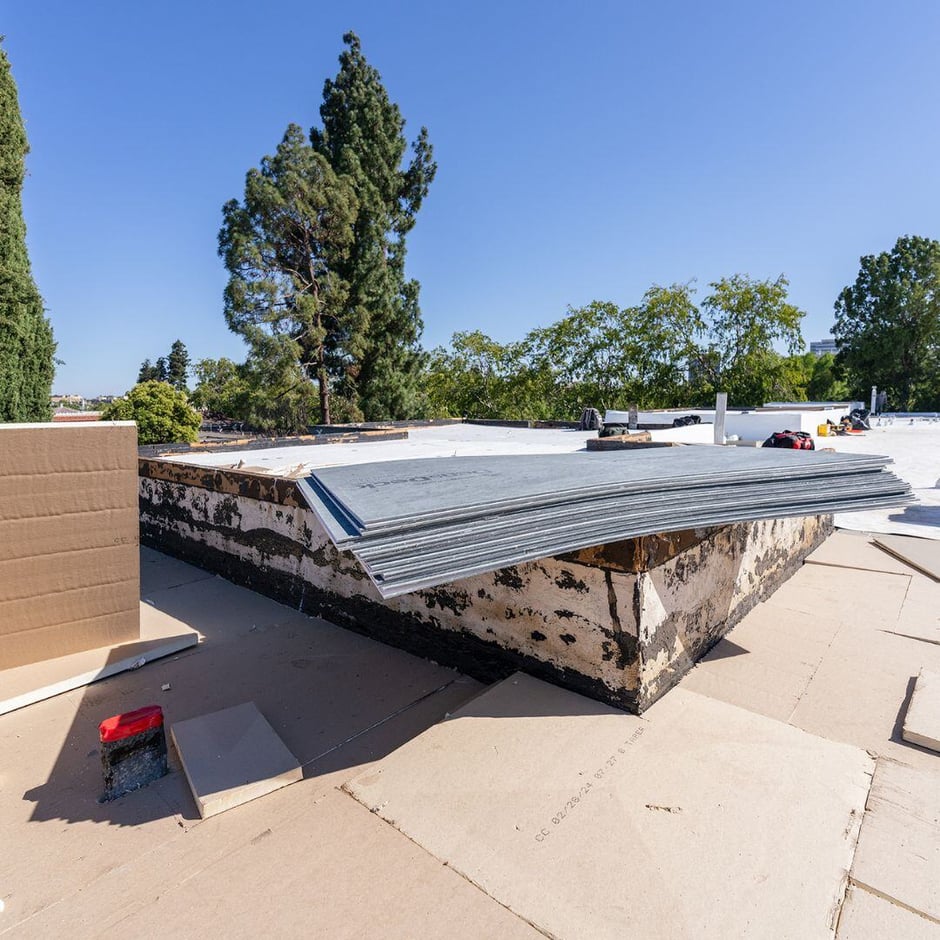
At minimum, twice a year: once in spring and once in fall. Then add an inspection after any severe weather events, and another after rooftop work by HVAC, solar, electrical, telecom, or signage crews. Both the National Roofing Contractors Association and insurer risk-control guidance (Travelers among them) point to the same rhythm: semiannual checks plus post-event reviews. Buildings with heavy rooftop traffic or lots of equipment may need more frequent looks, and there's no single universal number for that. Just know that excessive foot traffic wears membranes and quietly shortens roof life, so every trade that walks your roof is a reason to schedule a check. Routine inspections are the backbone of any real maintenance program, and property managers who keep to that schedule rarely get surprised.
A real inspection works zone by zone. Here's what a thorough one covers and why each item earns attention:
Catch the flashing and sealant issues while they're minor issues, and you head off the expensive interior damage that follows. These are the early signs that separate a quick fix from a major project, and addressing minor issues now is the first line of defense against major leaks.
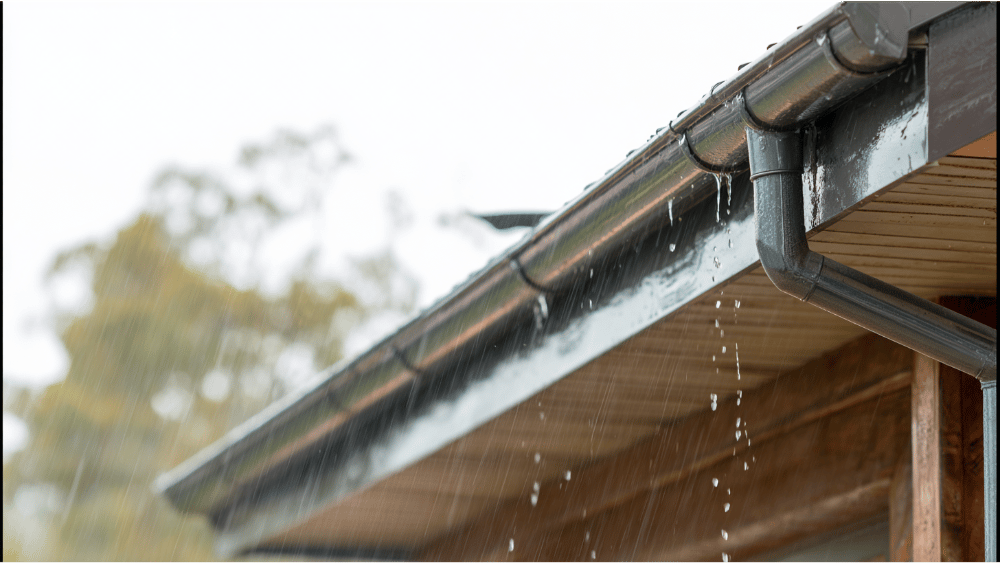
Ponding water is water still sitting on the roof after everything around it has dried. That's a red flag, not a nuisance, and it's one of the most common drainage issues on flat roofs. Standing water speeds up membrane deterioration and adds weight the roof wasn't meant to carry. California drainage guidance (drawn from state building code concepts) describes positive drainage as a sloping, unobstructed path that clears water within roughly 48 hours after rain, with a minimum slope of about a quarter inch per foot, which is close to a 2% slope. Bay Area winters bring stretches of steady rain, so drainage that works on paper and drainage that works in practice aren't always the same thing. Ponding deserves documentation and a professional look. Verify the exact requirements and building codes for your building with your local building department.
The most overlooked part of roof maintenance is the paper trail, and it may be the most valuable. Build a roof file and keep it current:
This file answers warranty questions, supports insurance coverage discussions, and makes capital planning honest instead of guesswork. It's also the heart of good asset management: with a current record, you can budget for the roof system on your timeline rather than reacting to emergencies. Many manufacturer warranties (including the Owens Corning-backed coverage a qualified contractor can offer) can hinge on documented maintenance and warranty compliance, so a gap in the file can quietly cost you coverage and complicate future warranty claims. Meeting those warranty requirements is one more reason to keep a clean record. This is exactly why we photo-document what we find: transparency is easier when the record is right there.
.jpg?width=4000&height=3000&name=Copy%20of%20DJI_0663%20(1).jpg)
Verify the contractor. California roofing work falls under the CSLB C-39 classification, and C-39 contractors are required to carry workers' compensation insurance even without employees. Check the license and workers' comp status before you sign anything. Symplify Roofing holds CA CSLB License #1108246 and is fully licensed and insured.
Title 24 cool roofs and energy efficiency. Maintenance and reroofing are different jobs, but they connect. When maintenance shows that a roof replacement is coming, California's energy standards can shape your material choice. The 2025 California Energy Code took effect January 1, 2026, and low-slope replacement roofs generally must be cool roofs. Reflective membranes support the energy efficiency of the whole building and help keep energy costs in check. Confirm current thresholds with the California Energy Commission and your local building department.
Debris and fire readiness. CAL FIRE and the California Department of Insurance both recommend keeping roofs and gutters clear of leaves and needles. That's a drainage win and a wildfire-preparedness win in one.
Safe access. Cal/OSHA fall-protection rules kick in within about 6 feet of roof edges and skylights. Roof access isn't something to treat casually, which is one more reason professional inspections make sense.
Partly, and that's a good thing. Your in-house maintenance crews can safely watch for interior signs, keep access logs, report leaks fast, and note debris they can see from safe, stable positions. Where you want a professional: roof-edge work, anything near skylights, membrane repairs, penetrations, suspected structural issues, active leaks, and any warranty-sensitive repair. Roofers also bring tools your team doesn't have, like moisture scans and non-destructive testing plus electronic leak detection to find hidden wet insulation, and drone inspection that reads the whole roof without anyone standing near the edge. The goal isn't to sideline your staff. It's to keep them safe and put the risky, specialized work with people who do it every day. Facility managers get a clear read on the roof's condition without putting anyone at risk.
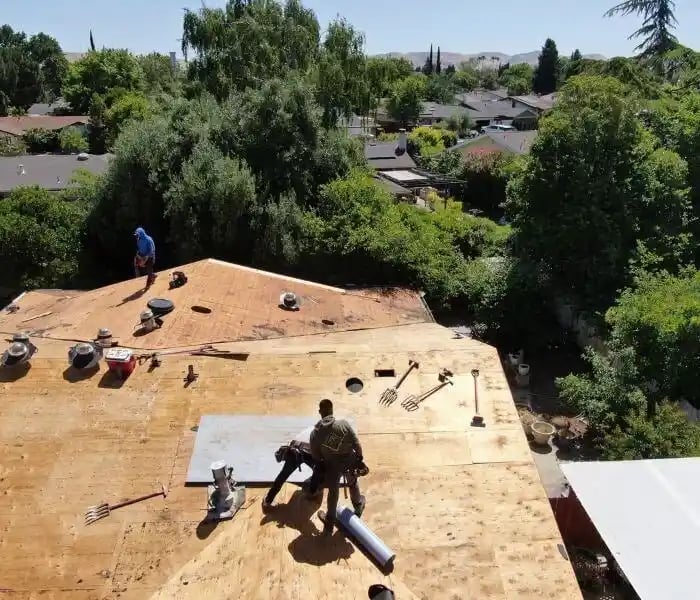
aintenance extends a roof's lifespan. It can't rescue a roof system that's reached the end of its service life. A few honest signals that you've crossed from repair territory into replacement territory: repeated leaks in different spots, widespread membrane deterioration, chronic ponding, wet insulation, open seams or failed flashing across multiple areas, and a patch-on-patch history that's getting silly. Significant damage and compromised warranty conditions belong on that list too. When those add up, roof replacement is often the simpler, smarter answer, and pretending otherwise just delays the cost. Prompt repairs early, before minor issues become major repairs or emergency work, are what keep you out of this conversation in the first place.
We think a roof should be easy to understand, not a mystery you inherit. So we make commercial roof maintenance visible and documented. That means drone and satellite-supported inspection, virtual consultations that don't eat your whole afternoon, and photo-documented findings you can actually see. Our online estimate is built to land around 95% accurate before anyone climbs up, and we keep you updated every step of the way (we'll leave the ghosting to your ex). We work residential and commercial, including commercial roof installation and TPO flat roofing, and we can build a maintenance plan that fits how you actually run your commercial building. As an Owens Corning Platinum Preferred Contractor, we can back qualifying work with a 50-year material warranty and a 25-year workmanship warranty. Technology here is a tool for trust, not a gimmick.
You don't need to commit to anything to understand what you're working with. Start there. Get an instant quote online, request a virtual estimate, or call us at 415-549-1588. No pressure, no mystery roof goblin energy, just a clear read on your building's biggest asset.
At least twice a year, in spring and fall, plus after major storms and after any rooftop work by HVAC, solar, or other trades. High-traffic roofs may need more frequent checks, and routine inspections are the foundation of any maintenance program.
No. Water that still stands after the rest of the roof has dried (roughly 48 hours after rain in California drainage guidance) points to a drainage problem worth documenting and having reviewed.
Often, yes. Many manufacturer warranties can be jeopardized without documented inspections and repairs, which is why a current roof file and a consistent maintenance plan are worth keeping.
Yes. Rooftop trades create penetrations and foot traffic that can damage the membrane, so schedule a check after that work is done.
They can watch interior signs, log access, and report leaks quickly. Membrane repairs, edge and skylight work, penetrations, and warranty-sensitive fixes should go to a licensed roofing professional.
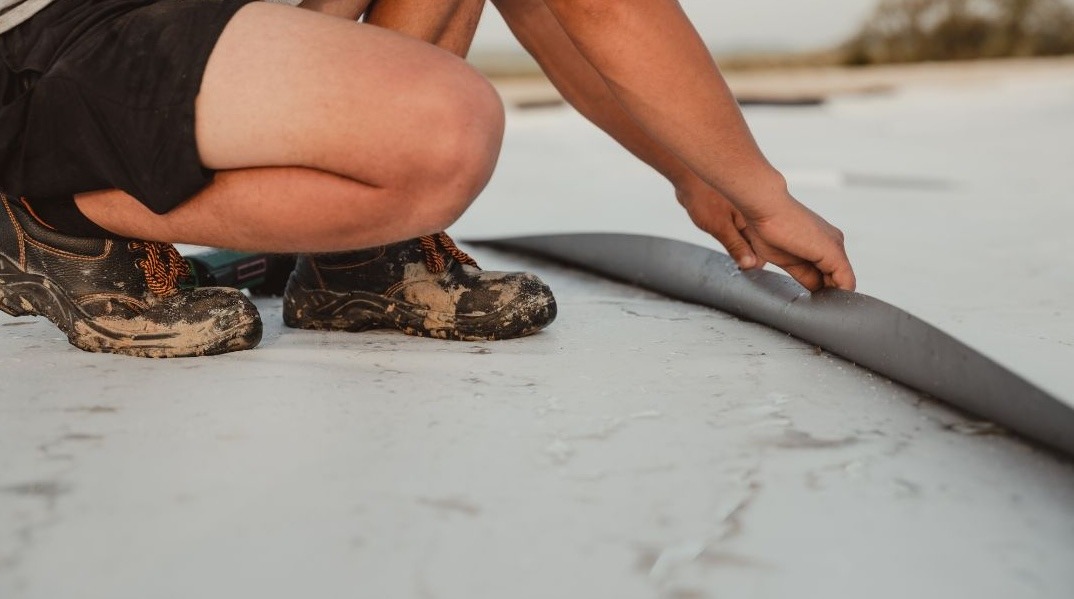
1 min read
Key Takeaway PVC roofing membranes are single-ply, heat-welded thermoplastic sheets that commonly last 20 to 30 years and excel when a flat or...
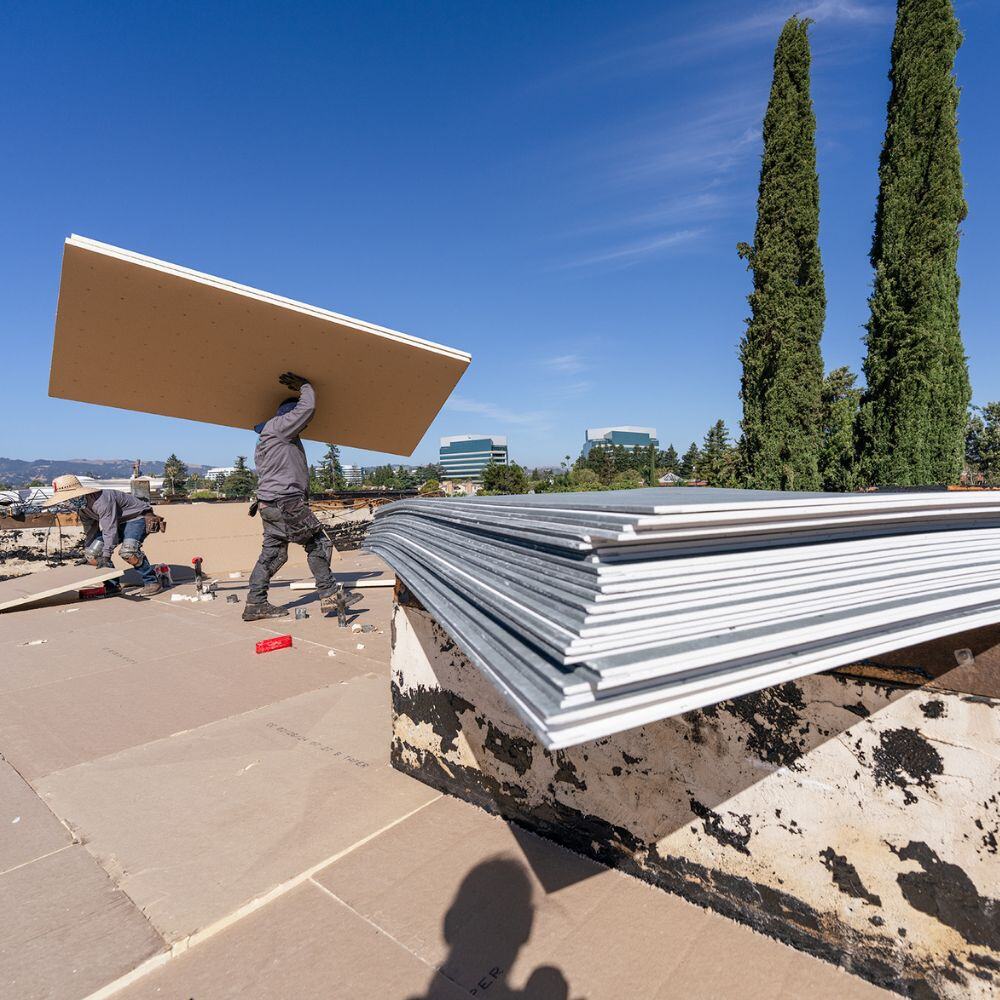
1 min read
Key Takeaway The main flat roofing systems differ by how they create a waterproof layer: single-ply membranes like TPO, PVC, and EPDM use large...
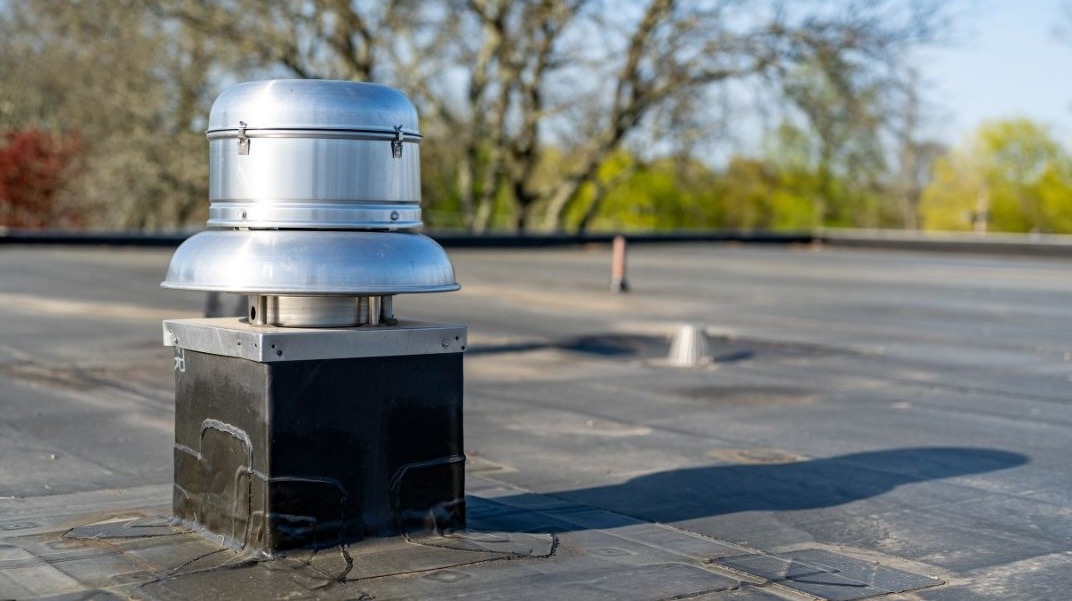
1 min read
aKey Takeaway EPDM rubber roofing is a synthetic single-ply membrane designed for flat and low-slope roofs, forming one continuous waterproof layer...