1 min read
Roof Decking Explained: The Plywood Base of Your Roof
Key Takeaway Roof decking, also called roof sheathing, is the solid base layer of plywood, OSB, or wood planks installed over your rafters or...
5 min read
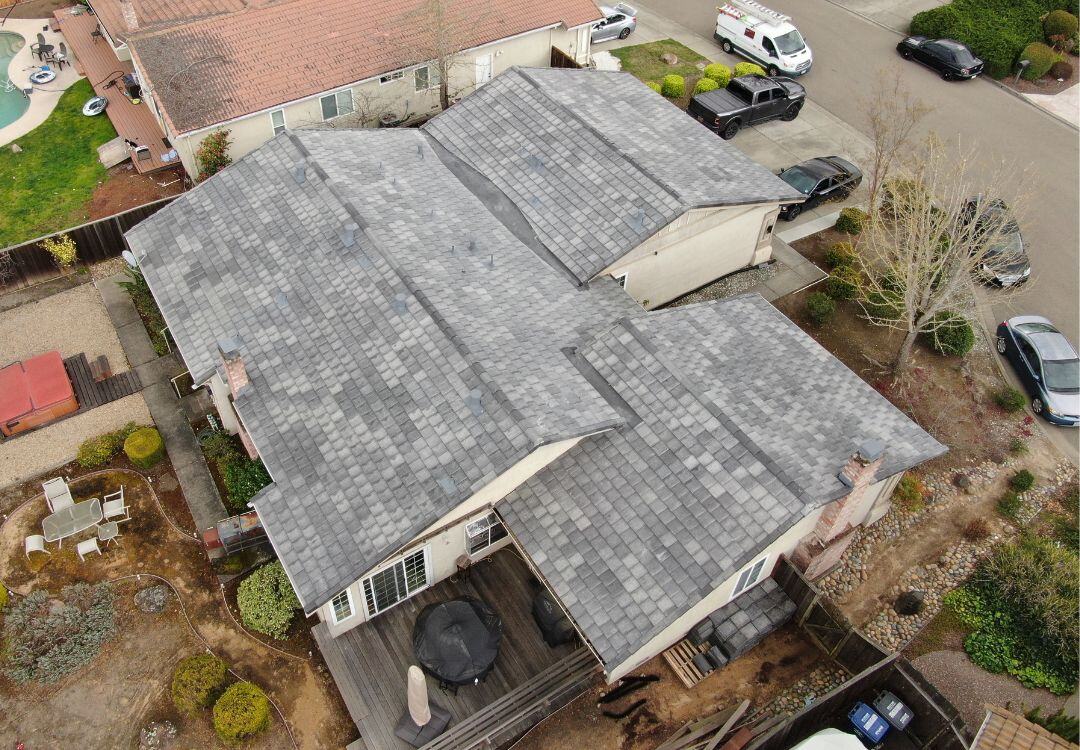
Many homeowners ask the same important question when their roof reaches the end of its life, can I install a new roof over my existing roof. It is a reasonable concern. A roof replacement is a major investment, and homeowners naturally look for cost effective ways to protect their house while minimizing disruption. This article covers everything you need to know about roofing over an existing roof, including when it may be allowed, when it causes problems, and how to decide what is right for your home. While installing new shingles over old ones is sometimes permitted, it is not always the best long term roofing solution.

Installing a new roof over an existing roof means placing a new layer of roof shingles directly on top of old shingles instead of tearing everything down to the roof deck. This method is often called a roof overlay or nail over. The original roof stays in place, and the new shingles are installed over the existing layer. Homeowners are often attracted to this approach because it can reduce labor, lower dump fees, and feel like less hassle overall.
However, roofing over existing shingles also means the underlying structure remains hidden. The roof deck, decking fasteners, flashing, and ventilation components are not fully visible. That lack of access can affect the roof system and confirm why most roofing contractors carefully inspect before recommending this option.
Local building codes and state building codes determine whether you can install shingles over an existing asphalt shingle roof. Most building codes based on the International Residential Code allow no more than two layers of shingles on a residential shingle roof. If your current roof already has two layers, a new layer is not allowed.
Even with one layer, local building codes may still require tearing off the old roof if the roof's condition does not meet requirements. Most building codes exist to protect the roof structure, the wall system, and the house as a whole.
Installing shingles over an existing roof is prohibited when there is extensive damage, moisture, sagging, or signs of roof leaks. Missing shingles, uneven surfaces, or old ones that do not lay flat also disqualify a roof from being a good candidate. Roofing over existing shingles is also not allowed when the roof material is wood shake, tile, metal roofing, or flat roofing systems.

Some manufacturers allow installing new shingles over an existing asphalt shingle roof under the right conditions. These conditions include a single layer of old shingles, a flat surface, and proper installation techniques. Even when allowed, this approach is not considered best practice for most roofs.
Warranties are closely tied to proper installation. If shingles over an existing roof are installed incorrectly or local building codes are not followed, the warranty may be limited or void. This can negatively impact homeowners later if leaks or defects appear.
A roof overlay may be allowed when there is only one existing layer, no history of leaks, no roof leaks currently present, and the existing shingles are lying flat. The roof deck must be solid, the attic properly ventilated, and the roof structure capable of supporting the added weight. These right conditions are less common than many homeowners expect.

Roofing over existing shingles hides the underlying structure. Decking rot, damaged flashing, and moisture problems often go unnoticed until they become severe. Inspecting the entire roof deck is only possible during a full roof replacement.
Multiple layers trap heat. Heat shortens the lifespan of asphalt shingles and can cause new shingles to age faster. A shingle roof installed over old shingles often fails sooner than expected.
Each layer adds weight to the roof. Two layers of shingles or multiple layers on older homes can stress the roof structure. Over time, this weight can lead to sagging and damage to the wall framing and attic components.
A roof overlay can appear cost effective because it reduces labor and dump fees. However, the final cost over time is often higher. Repairs are more complex, and replacing a roof with multiple layers later becomes more expensive.
A full roof replacement allows for new underlayment, new flashing, and proper sealing around penetrations. Few penetrations are left unaddressed during a tear-off, which improves durability.
Most roofs installed with a complete roof replacement are viewed more favorably during inspections. Roofing over existing shingles can raise concerns with buyers and insurers.

Roofers recommend tearing off old shingles because it allows for a complete inspection of the entire roof system. Problems can be corrected before installing new shingles. Proper installation starts with a clean roof deck and solid decking.
Some homeowners hope to save money with a nail over, but savings are usually short term. A full roof replacement costs more upfront but often lasts longer and requires fewer repairs. In most cases, tearing off the old roof is the smarter investment.

Asphalt shingles are the most common roofing material used for overlays. Even then, only a single layer of existing asphalt shingles may be covered.
Metal roofing, tile, and flat systems almost always require tearing off old materials. Installing shingles over an existing surface is not compatible with these systems.
A roofing contractor will inspect the roof, attic, decking, flashing, and ventilation. They will check for leaks, missing shingles, extensive damage, and weight concerns. Any recommendation to install without inspecting is risky.

Homeowners should consider how many layers are already present, how many layers are allowed, the current shingles condition, and how long they plan to stay in the house. A good candidate for an overlay is rare, but possible when all criteria are met.
Symplify Roofing focuses on long term roofing solutions. We prioritize proper installation, building codes, and complete roof replacement when needed. Our goal is to protect the entire roof, not just cover old ones.
Sometimes, if there is only one existing layer and local building codes allow it.
Most building codes allow two layers of shingles.
Only if it meets all building codes and installation standards.
Yes, it can negatively impact coverage depending on the insurer.
It usually lasts less time than a full roof replacement.
Yes, but speed should not outweigh quality.
No. Active leaks require tearing and repairs.
It can, especially when buyers or inspectors notice multiple layers.

Deciding whether to install a new roof over an existing roof depends on many factors. While it may be allowed under specific conditions, most roofs benefit from a complete roof replacement. Removing old shingles allows for proper inspection, better performance, and longer lasting results. If you want clear guidance and dependable workmanship, working with an experienced roofing contractor makes all the difference.
1 min read
Key Takeaway Roof decking, also called roof sheathing, is the solid base layer of plywood, OSB, or wood planks installed over your rafters or...
1 min read
Replacing a roof is a substantial investment for most homeowners, and the warranty plays a major role in protecting that investment. When planning a ...

1 min read
Key Takeaway: The 25% rule in roofing guides decisions on whether to repair or replace a roof based on damage extent, impacting cost and longevity....