1 min read
What Are the Signs My Commercial Roof Needs Replacement
Understanding what are the signs my commercial roof needs replacement is critical for protecting a commercial building and avoiding costly...
5 min read
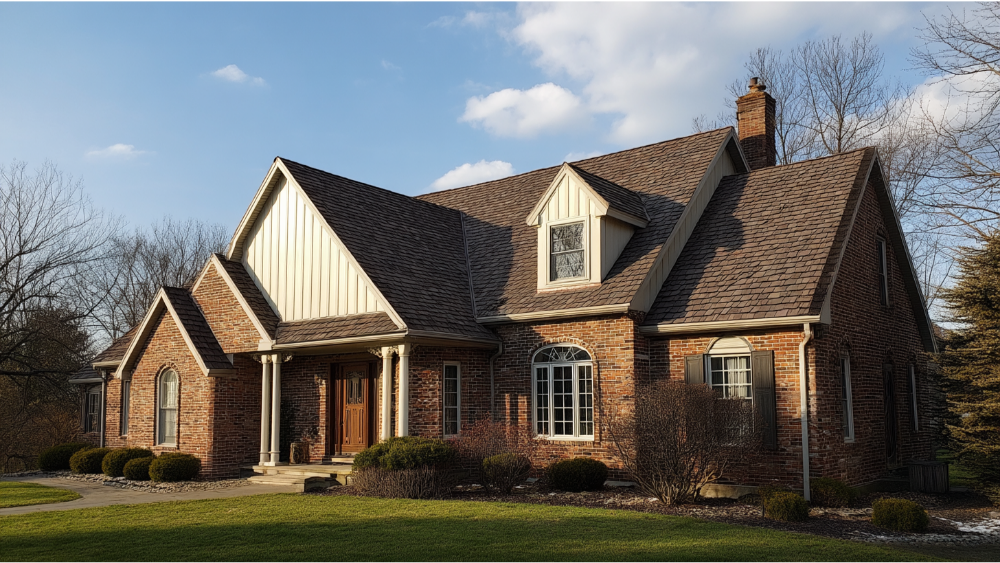
Many homeowners are unsure how to tell when their roof is simply aging versus when it is truly failing. Your roof protects your home from water damage, temperature extremes, and structural concerns, yet it often goes unnoticed until problems appear. Knowing what signs indicate I need a new roof can help you avoid costly repairs, plan ahead, and protect your investment. Below is a complete, homeowner-focused guide that explains the most common signs, early warning signs, and clear indicators that it may be time to replace your roof rather than continue repairing an old roof.

Your roof is not something you want to wait on until it fails completely. Early signs of roof damage often appear months or even years before a major leak. Addressing these warning signs early can save money, reduce stress, and prevent expensive repairs inside your home. Roof leaks can damage drywall, insulation, framing, and even electrical systems. Over time, water intrusion can lead to structural damage that goes far beyond the roofing material itself. A roof that is nearing the end of its expected lifespan can also increase energy bills by allowing heat to escape in winter and enter in summer, lowering overall energy efficiency. Recognizing when your roof needs attention allows you to make a cost effective plan instead of reacting to an emergency.
One of the most visible signs that your roof needs attention is shingle damage. Curling shingles, cracked shingles, or damaged shingles that no longer lie flat are common signs of an aging roof. Missing shingles are especially concerning because they leave the roof deck exposed to water infiltration. A few missing shingles after high winds may be repairable, but when missing shingles appear across multiple areas, it is often a sign that your roof is reaching the time to replace stage.
Granules protect asphalt shingles from UV rays and weather exposure. When you notice granule loss collecting in gutters or downspouts, it usually means the shingles are wearing out. Bald spots on asphalt shingle roofs indicate the roofing material is no longer performing as designed. Granule loss across large sections of the roof is one of the warning signs that repairs may no longer be enough.
Moss growth and algae growth are more than cosmetic issues. Moss holds moisture against the roof surface, which can accelerate roof damage, especially in areas prone to shade and heavy rain. Algae growth often appears as dark streaks and can signal aging asphalt shingles. When moss growth keeps returning, it can be a sign that your roof needs replacement rather than ongoing cleaning.
Flashing seals vulnerable areas around chimneys, vents, and skylights. When flashing rusts, cracks, or pulls away, water can enter the roof system. Repeated leaks in the same locations often indicate widespread roof damage rather than a single failed component. This is a common sign that your roof may need a full roof replacement.
A sagging roof is a serious warning sign that should never be ignored. A sagging roof can indicate problems with the roof deck, damp rafters, or long-term water damage. Structural concerns like this often require immediate attention and usually mean it is time for a full replacement rather than roof repairs.
Storm damage is a leading reason roofs fail earlier than expected. High winds can lift shingles and loosen fasteners, while hail can bruise or crack asphalt shingles. After a big storm, even roofs that look fine from the ground may have hidden damage. Storm damage combined with an old roof often means it is time to replace your roof instead of continuing to patch it.

Water stains on ceilings and walls are one of the most obvious signs of roof leaks. These stains may appear far from the actual source of the leak because water can travel along framing. Multiple water stains or stains that grow after heavy rain indicate ongoing water intrusion.
Peeling paint and bubbling drywall near ceilings are clear indicators of moisture problems. This type of visible damage often means water has been entering the home for some time. When combined with exterior signs, peeling paint is a strong sign that your roof needs replacement.
Checking your attic can reveal early signs that your roof is failing. Damp insulation, musty odors, or damp rafters point to water infiltration. Poor ventilation combined with an old roof can make these problems worse and lead to expensive repairs if not addressed.
The expected lifespan of most asphalt shingles is around 20 to 25 years. Metal roof systems and tile roofs may last longer, but age alone does not tell the full story. An old roof that shows several signs of wear is far more likely to fail than a newer roof with isolated damage. Improper installation or lack of regular maintenance can shorten the lifespan of any roofing material. As an Owens Corning Platinum Contractor, Symplify Roofing frequently evaluates aging roofs built with materials from Owens Corning that are simply at the end of their service life.

Roof repairs can be a good solution when damage is limited and the roof is relatively new. However, repeated repairs often become costly repairs over time. When roof damage is widespread, leaks keep returning, or multiple areas show failure, replacement is usually the more cost effective option. A full replacement provides new materials, improved warranties, and long-term protection rather than temporary fixes.
Asphalt shingle roofs are the most common residential roof type. Signs that asphalt shingles need replacement include granule loss, cracked shingles, curling, and recurring leaks. When these signs appear across large areas, it is often time for a new roof.
Low-slope sections rely heavily on seams and flashing. Even small failures can lead to roof leaks and water damage. Persistent leaks in these areas often mean a full replacement is needed.
Tile roofs can last decades, but the underlayment beneath them eventually fails. Broken tiles combined with an aging underlayment often require the roof replaced to ensure proper protection.

Many homeowners believe that if a roof is not leaking, it does not need attention. In reality, many early signs appear long before leaks start. Another myth is that one repair will fix everything. When several signs are present, repairs often delay the inevitable. Understanding these common signs helps homeowners make informed decisions.
Homeowners should avoid walking on the roof, as it can be dangerous and cause further damage. A professional roof inspection can identify hidden issues, evaluate the roof deck, and determine whether repair or replacement is the best option. Working with a trusted roofing contractor ensures the solution addresses the root cause, not just the symptoms.

Scheduling a roof inspection is recommended annually, after heavy rain or high winds, and before buying or selling a home. Inspections are also important before starting a re roof project or coordinating with a solar installation partner. A roofing professional can help determine if you need to replace your roof or if repairs are still viable.
Most homeowners want clear answers, honest guidance, and quality workmanship. Symplify Roofing focuses almost exclusively on residential roofing and understands the concerns homeowners face. From evaluating roof damage to completing a full roof replacement, our team prioritizes safety, craftsmanship, and long-term performance. We also help homeowners navigate conversations with their insurance company and homeowners insurance when storm damage or other covered events are involved.

If your roof shows several signs of failure, has recurring leaks, or is past its expected lifespan, replacement is often the better option.
Most asphalt shingles last 20 to 25 years, while metal roof systems and tile can last longer with proper care.
Yes, many warning signs are not visible from the ground and only appear during a professional evaluation.
Home insurance or homeowners insurance may cover replacement if damage is caused by a covered event like storm damage. Normal wear is usually not covered.
Ground-level checks are fine, but climbing on the roof is not recommended.
Most residential projects are completed in one to two days, depending on size and complexity.
Yes, a properly installed new roof can reduce cooling bills and heating costs by improving insulation and ventilation.
Your roof gives many warning signs before it fails completely. Paying attention to early signs, understanding the most common signs of roof damage, and acting at the right time can save money and prevent expensive repairs. If you are noticing several signs that your roof needs attention, it may be time for a new roof. Symplify Roofing is here to help you determine the right path forward and protect your home with confidence and care.
1 min read
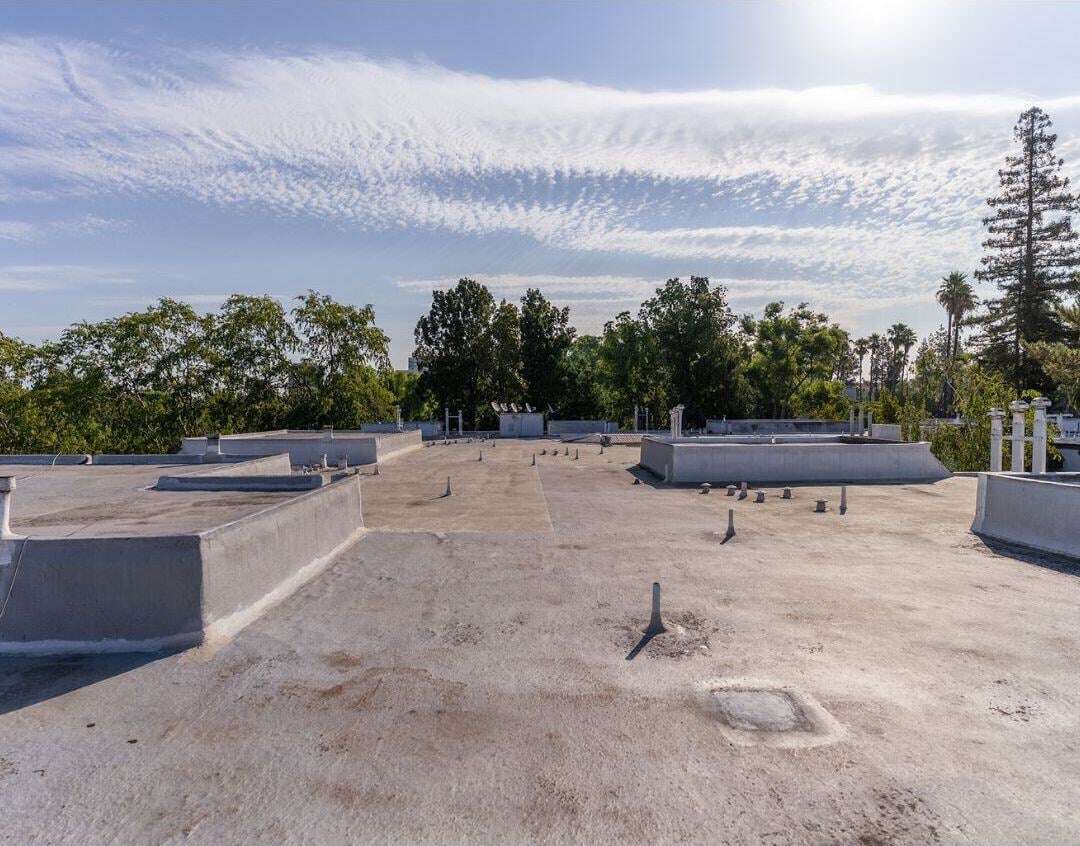
Understanding what are the signs my commercial roof needs replacement is critical for protecting a commercial building and avoiding costly...
1 min read
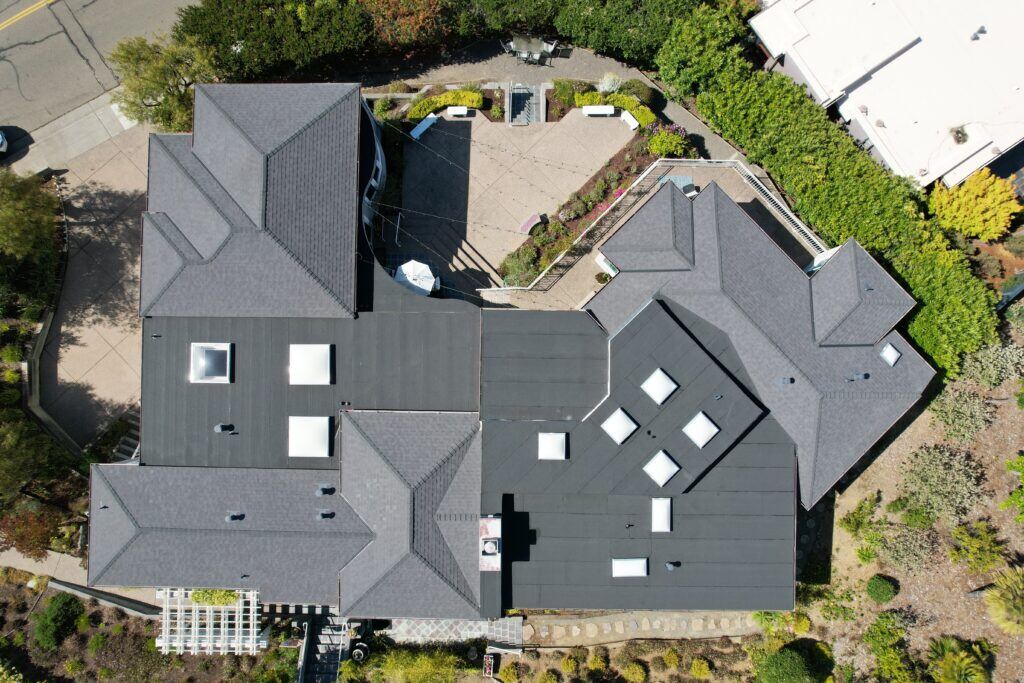
Understanding what causes roof leaks is one of the most important steps homeowners can take to protect their property. A roof is designed to manage...
1 min read
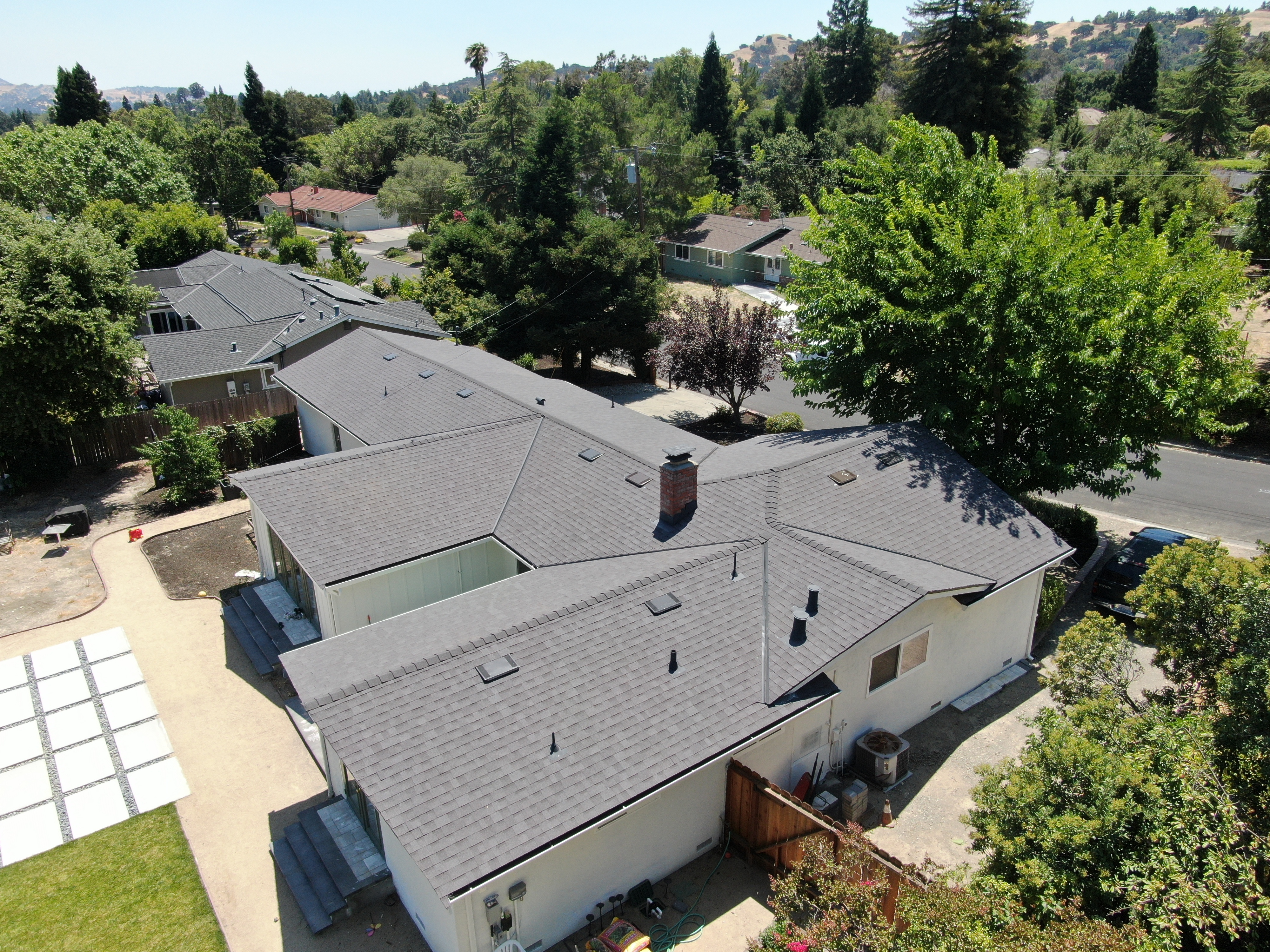
Key Takeaway Proper roof ventilation works by drawing fresh air in through low intake vents and releasing hot air out through high exhaust vents,...