2 min read
Roof Replacement or Repairs: What Bay Area Homeowners Need to Know - Symplify
As a Bay Area homeowner, you’re well aware of the importance of a sturdy and reliable roof, especially in the face of the region’s...
7 min read
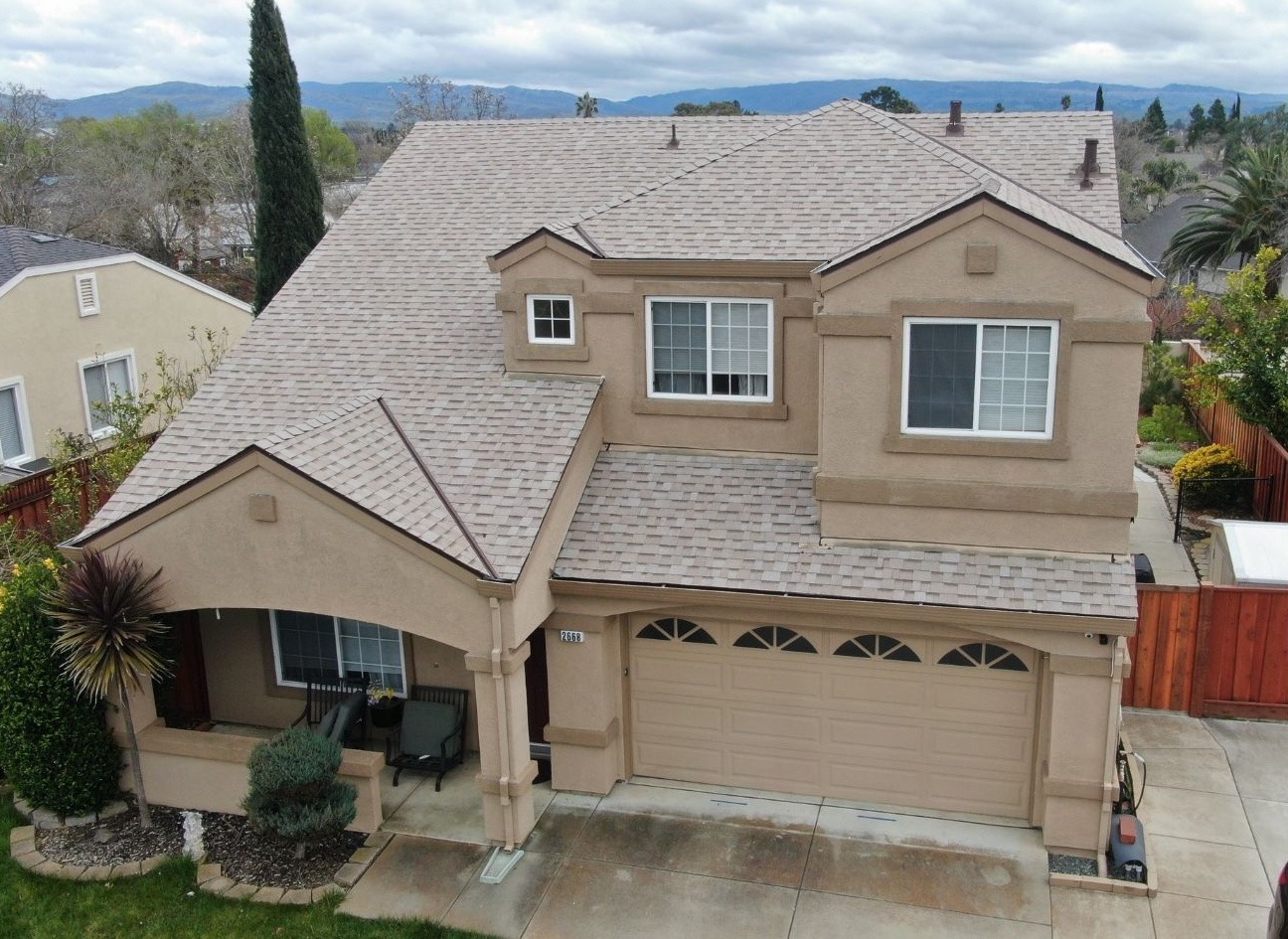
To achieve the most cost-effective roof replacement, aim for installations in the fall when moderate weather and lower demand offer potential savings. Winter can also be cost-effective, despite its challenges, due to reduced demand. Monitor labor and material cost variations throughout the year to maximize savings.

Weather conditions greatly influence the roofing industry, affecting both the installation process and the overall cost. During peak roofing seasons, such as summer and early fall, favorable weather conditions like extended daylight hours and warm temperatures allow roofing crews to work efficiently, ensuring high-quality installations. However, these periods often coincide with higher demand, leading to increased costs. In contrast, cold temperatures in winter can pose challenges, such as freezing temperatures that impact the roof's condition and the performance of roofing materials. This can result in increased installation times and potential quality issues if not managed properly. For instance, asphalt shingles may become brittle in extreme cold, necessitating special handling techniques to avoid breakage and ensure a well-sealed roof.
The availability of roofing contractors is another critical factor that varies with the seasons. Many roofing companies experience a surge in demand during the busy season, typically late spring through early fall, which can lead to higher prices and longer wait times for projects. To secure better rates and quicker service, homeowners may consider scheduling roof replacements during off-peak seasons, when contractor availability is higher. This strategic timing can lead to potential cost savings, as roofing companies may offer discounts to fill their schedules during slower periods. Homeowners should consider how local weather patterns affect contractor availability and plan accordingly to optimize both the cost and timeline of their roofing projects.
Opting for a winter roof replacement project can be financially advantageous. Due to cold weather and reduced demand, many roofing companies offer off-season discounts to attract clients. This period can be ideal for homeowners looking for potential cost savings, as contractor availability is typically higher, allowing for more flexible scheduling and possibly faster completion times. Additionally, the mild temperatures in some regions during winter can still provide a conducive environment for roof installations. It's important to consult with roofing contractors who are experienced in winter installations to ensure that proper precautions are taken, such as using the right roofing material that can withstand cold temperatures and ensuring all roofing projects are completed safely and efficiently.
Despite the financial benefits, winter roofing projects come with their own set of challenges. Cold temperatures and unpredictable weather conditions, such as snow and ice, can delay the roofing process and pose safety risks for roofing crews. These conditions can also affect the performance of certain roofing materials, impacting the new roof's durability. Homeowners must weigh these risks against the cost savings and consult with experienced roofing contractors to ensure the right roofing material is used for their specific climate. For example, metal roofs can be an excellent choice in winter due to their durability and resistance to cold weather, but they require skilled installation to avoid issues like thermal expansion.

Spring offers a balance between cost savings and favorable weather conditions, making it a strategic choice for scheduling roof replacements. Early spring sees moderate temperatures that facilitate efficient roofing projects, while the demand is not as high as in the summer, potentially leading to lower roofing costs. Homeowners can benefit from competitive pricing and quality installations during this shoulder season, as roofing crews are gearing up for the busy months ahead. It's also a time when many roofing companies have more contractor availability, allowing for flexible scheduling and potentially more competitive pricing.
While spring brings many advantages, the weather can be unpredictable, with the possibility of rain or lingering cold temperatures affecting the roofing process. It's crucial for homeowners to plan for potential weather-related delays and ensure their chosen roofing contractors are prepared to handle such conditions. This diligence can help maintain the quality of the roof replacement project and protect the home's investment. To mitigate risks, homeowners should consult local weather forecasts and work with contractors who can adjust schedules promptly to accommodate unexpected weather changes.
Quick Tip: Scheduling your roofing project for early spring or late winter can help you avoid the peak season rush and secure better pricing and contractor availability.
Summer is traditionally the peak season for roof replacements due to consistently warm temperatures and extended daylight hours, which are ideal for roofing installations. However, this high demand results in increased roofing costs, as many homeowners rush to complete their home improvement projects. The busy season can lead to limited contractor availability, longer wait times, and less flexibility in scheduling. To avoid premium pricing, it's advisable to plan your roof replacement well in advance or consider alternative seasons. Coordinating with your contractor to schedule roof installations during cooler parts of the day can also help mitigate the effects of extreme heat on both the roofing materials and the crew's efficiency.
Despite the higher costs, summer provides optimal weather conditions for roof installations, ensuring the roof's durability and the efficiency of the installation process. In regions where extreme heat is a concern, it's important for both the cost and safety to be considered, as high temperatures can affect both the roofing crews and the performance of certain roofing materials. Homeowners should work closely with their chosen roofing contractors to select the appropriate materials for their climate and schedule installations during cooler parts of the day. For example, opting for materials with higher thermal resistance can enhance the new roof's durability, reducing the risk of warping or other heat-related issues.

Fall is often regarded as the best time to replace a roof, striking a balance between cost and weather conditions. With mild temperatures and lower humidity, roofing crews can achieve high-quality installations, and many roofing companies offer competitive rates to fill their schedules before the winter lull. This period provides the perfect opportunity to address any roof leaks or damage sustained during storm season, ensuring the home's protection before winter arrives. Additionally, fall offers extended daylight hours, allowing for efficient completion of roofing projects without the time constraints faced in winter months.
Fall's moderate demand compared to summer can lead to potential cost savings for homeowners. The reduced competition for contractor availability means that roofing companies may be more willing to negotiate prices and offer discounts. Additionally, many manufacturers offer promotions during this time, further reducing the overall expense of the roof replacement project. Homeowners should seize this opportunity to replace a roof with missing shingles or other damage, leveraging both the competitive pricing and the optimal weather conditions of the fall season.
Material costs play a significant role in the overall expense of roofing projects, and these costs can fluctuate throughout the year due to various factors such as supply chain disruptions, demand, and global economic conditions. Homeowners should stay informed about these fluctuations to plan their roof replacements strategically and avoid unexpected increases in roofing costs. For example, prices for asphalt shingles can vary significantly, with potential savings available by purchasing during periods of lower demand.
Roofing materials, such as asphalt shingles and metal roofs, often experience price changes based on the season. For instance, prices may rise during the busy season due to increased demand, while discounts may be available during off-peak periods. Monitoring these trends and consulting with roofing contractors can help homeowners make informed decisions about the right time to purchase materials and schedule their roof replacement project. By staying attuned to these trends, homeowners can optimize both the material costs and the installation process to achieve the best ROI for their home improvement projects.
Quick Tip: Keep an eye on market trends and consult with contractors to purchase materials during off-peak seasons, potentially saving on your overall roofing costs.

Labor shortages in the roofing industry can significantly impact both pricing and scheduling. As demand for skilled roofing crews increases, particularly during peak seasons, shortages can drive up labor costs and extend project timelines. Homeowners planning roof replacements in 2026 should be aware of these trends and consider scheduling projects during periods of higher labor availability to secure better pricing and timely completion. Engaging with roofing companies that have a strong reputation for reliable labor supply can also mitigate risks associated with labor shortages.
To mitigate the impact of labor shortages, homeowners should work closely with roofing companies to schedule projects well in advance. By planning ahead, it's possible to avoid delays and secure experienced roofing crews. Additionally, leveraging off-peak seasons can provide better access to skilled labor and potentially lower costs, as contractors may offer discounts to maintain steady work throughout the year. Homeowners should also consider the benefits of working with roofing contractors who offer comprehensive service packages, including post-installation support and maintenance, to enhance the new roof's durability and long-term value.
In Walnut Creek, CA, the local climate plays a crucial role in determining the best time for roof replacements. With its Mediterranean climate, characterized by mild, wet winters, and hot, dry summers, fall is particularly favorable for roofing projects. The moderate temperatures and low rainfall during this period make it an ideal time for installations, ensuring both efficiency and quality. Homeowners should monitor local weather patterns to schedule roof replacements at the most optimal times, balancing contractor availability with the right roofing material choices for enhanced performance.
Contractor availability in Walnut Creek can vary based on regional demand and local weather patterns. Homeowners should consult with local contractors to gain insights into the best timing for roof replacements. For instance, leveraging the expertise of a trusted Walnut Creek contractor can help homeowners plan their projects effectively, taking advantage of any local promotions or off-peak discounts offered by roofing companies. Additionally, local contractors can provide valuable guidance on selecting materials that are best suited to withstand the unique weather conditions of the region, ensuring the new roof's durability and longevity.

Successful roof replacement requires careful timing and financial planning. Homeowners should assess their roof's condition and determine the most cost-effective season for replacement, considering both weather conditions and market trends. Budgeting for the project, including potential material cost fluctuations and labor expenses, is essential to avoid financial strain. By aligning the roof replacement with other planned home improvement projects, such as energy-efficient upgrades, homeowners can maximize their investment and enhance the overall value of their property.
Integrating roof replacement with other home improvement projects, such as gutter replacement or attic insulation, can provide additional savings and efficiency. Coordinating these projects with contractors can lead to bundled discounts and ensure a comprehensive approach to home maintenance, enhancing the home's overall durability and value. Homeowners should engage with roofing contractors who offer holistic solutions, including expert advice on energy efficiency and sustainable materials, to optimize their home improvement efforts.
Homeowners can capitalize on off-peak discounts by negotiating with roofing contractors during slower seasons. Building strong relationships with contractors and being flexible with scheduling can lead to significant savings. Additionally, homeowners should inquire about any available promotions or discounts offered by manufacturers during these periods. By establishing open communication with contractors and maintaining a proactive approach to negotiation, homeowners can achieve more competitive pricing and enhance the overall cost-effectiveness of their roofing projects.
Many roofing material manufacturers offer seasonal promotions and rebates, which can substantially reduce material costs. Homeowners should research these promotions and plan their roof replacement projects accordingly to maximize savings. Consulting with contractors who are familiar with these offers can provide valuable insights and ensure the best possible pricing. By leveraging manufacturer promotions and off-season discounts, homeowners can achieve significant cost reductions while ensuring high-quality installations that enhance their home's longevity and curb appeal.
Labor shortages can drive up roofing costs by increasing labor prices and extending project timelines due to limited crew availability.
Roofing material costs fluctuate based on seasonality, demand, and market conditions, impacting the overall cost of roof replacements.
Winter roofing poses risks such as weather-related delays, safety concerns, and potential material performance issues due to cold temperatures.
Fall is an excellent time for roof installations due to moderate temperatures, lower humidity, and competitive pricing from contractors.
Yes, negotiating during off-peak seasons can lead to discounts and better pricing as contractors seek to fill their schedules.
2 min read
As a Bay Area homeowner, you’re well aware of the importance of a sturdy and reliable roof, especially in the face of the region’s...
1 min read
Many homeowners ask the same question every year, what’s the best time of year to replace a roof? The answer is not as simple as naming one month or...

2 min read
In Berkeley, homeowners are increasingly seeking roofing solutions that align with sustainable values. Symplify Roofing, recognized as an...