2 min read
Roof Replacement or Repairs: What Bay Area Homeowners Need to Know - Symplify
As a Bay Area homeowner, you’re well aware of the importance of a sturdy and reliable roof, especially in the face of the region’s...
6 min read
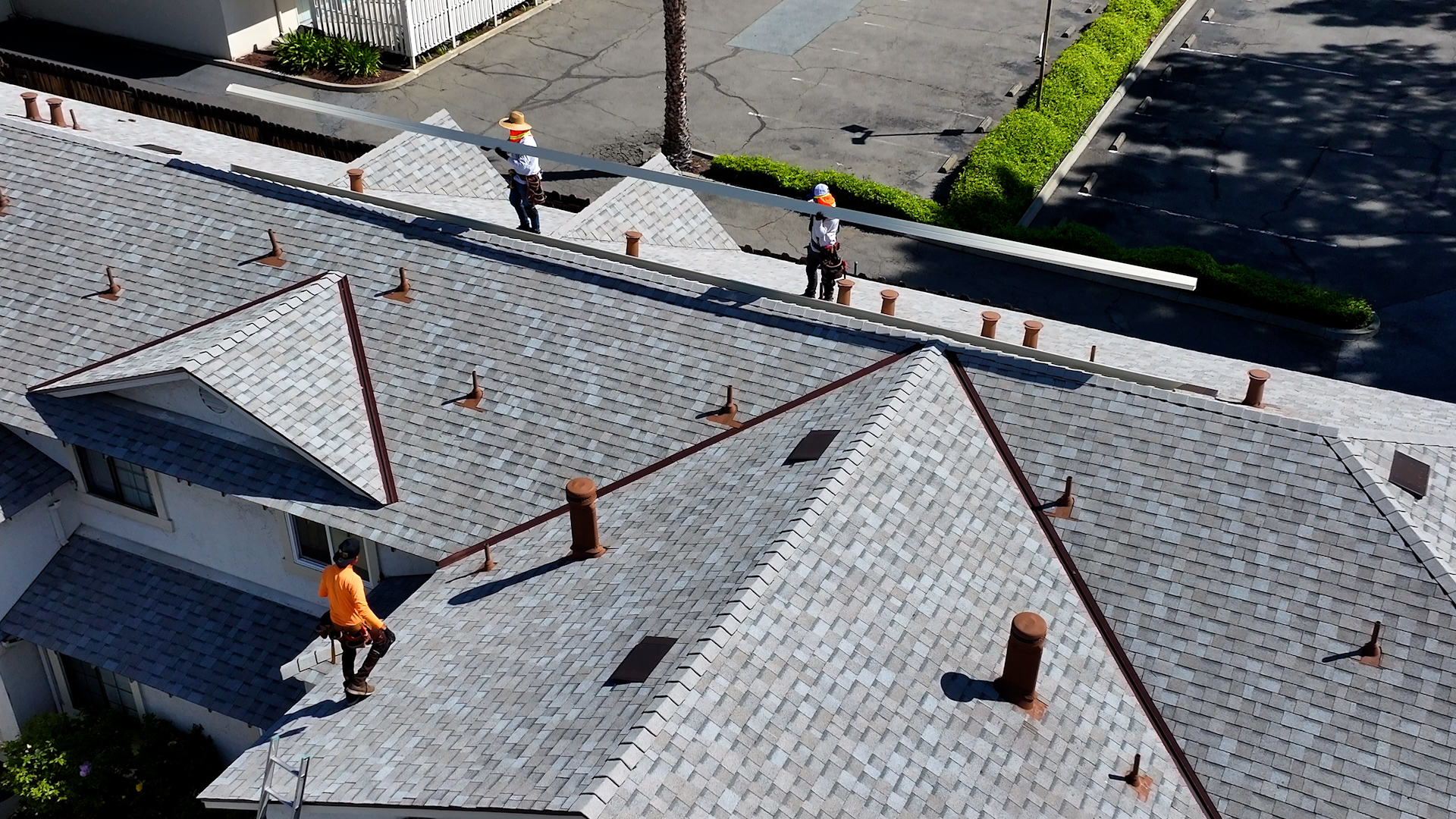
Many homeowners ask the same question every year, what’s the best time of year to replace a roof? The answer is not as simple as naming one month or one season. The best time to replace a roof depends on several factors, including weather conditions, the type of roofing materials on your home, your local climate, contractor availability, and the current condition of your roof. While some seasons are more popular than others, a roof replacement can be completed successfully throughout the year when it is planned properly and handled by an experienced roofing contractor. This guide explains how timing affects roof replacement, what to expect in each season, and how to decide the right time to replace your roof with confidence.

For many homeowners, spring roof replacement and roof replacement fall projects are often considered the best season because of mild weather and more predictable conditions. Summer roof replacement is very common and effective, although extreme heat and storms can sometimes cause delays. Winter roof replacement is possible and often necessary when a roof is damaged or leaking, even during cold weather and winter months. The most important rule is this, if your roof shows signs of failure, the best time to replace your roof is before the damage spreads. Waiting too long can lead to expensive repairs and structural damage.
Timing matters because roof installation is directly affected by weather, temperature, and moisture. Roofing materials need stable conditions to perform as intended and to be installed properly. Extreme weather, high winds, heavy rainfall, and freezing temperatures can slow the installation process or require extra precautions. Safety is another concern, since roofing professionals must work efficiently without risking injury during bad weather or extreme heat. Timing also affects contractor availability. The busy season often fills schedules quickly, which is why it helps to plan ahead. A well-timed roof replacement protects your home, supports long-term performance, and helps avoid unnecessary project delays.

Asphalt shingles are the most common residential roofing material, and they are sensitive to temperature during roof installation. In moderate weather, asphalt shingles are easier to handle and more likely to adhere properly once installed. In cold temperatures, shingles can become stiff or brittle, which requires careful handling. In extreme heat, shingles can soften, making them more vulnerable to scuffing during installation. This is why many roofing companies prefer cooler temperatures that are not too hot or too cold when installing asphalt shingles.
Flat roofing systems rely on adhesives, membranes, and precise installation techniques. Weather conditions play a large role in how well these systems perform. Cold weather can slow curing times, while inclement weather like rain can interrupt the installation process. With proper planning and experience, flat roof systems can be installed year-round, but dry and stable conditions help reduce installation issues.
Tile roofs and metal roof systems have their own seasonal considerations. Tile is heavy and can be more prone to breakage in cold weather. A metal roof can often be installed in a wider range of temperatures, but high winds or snow can still cause delays. No matter the material, choosing the right season helps ensure the roof is installed properly and performs as expected.
Spring roof replacement is popular for good reason. Temperatures are often mild, and weather conditions are more predictable compared to other seasons. Early spring is also when many homeowners discover roof damage from winter storms, snow buildup, or ice. Addressing these issues early helps prevent leaks and water stains inside the home. Spring storms can occasionally interrupt schedules, and high demand can limit contractor availability. Planning early spring inspections can help secure your place on the schedule.
Summer is one of the busiest times of year to replace a roof. Longer daylight hours allow crews to work efficiently, and dry stretches of weather are ideal for roof installation. Early summer and late summer are especially popular. However, extreme heat can slow progress and require extra safety measures. In some regions, hurricane season or unpredictable weather can cause project delays. Summer roof replacement works best when handled by an experienced roofing contractor who knows how to manage heat and scheduling challenges.
Roof replacement fall projects are often considered the optimal time by many roofing professionals. Cooler temperatures help materials perform well, and homeowners want their roof replaced before winter weather arrives. Fall weather is generally stable, which supports efficient installation. The downside is that fall is a busy season, and high demand means many roofing companies book up quickly. Planning ahead is essential if you want your roof replaced during this popular window.
Winter roof replacement is often misunderstood. While winter months bring cold temperatures, snow, and freezing temperatures, roofs can still be replaced safely when conditions allow. Winter season projects often require extra precautions, especially during heavy snow or high winds. Winter roof replacement is common when a roof is severely damaged or leaking and cannot wait until other seasons. Scheduling can be more flexible, but weather windows matter, especially during winter storms.

There is no single worst season to replace a roof, but there is a worst situation, ignoring a damaged roof. Delaying replacement during active leaks, missing shingles, or visible roof damage can lead to structural damage, mold, and higher costs. Unpredictable weather can occur in any season, which is why condition matters more than the calendar. If your roof is failing, the time to replace it is now.
Many homeowners worry that roof replacement costs fluctuate dramatically depending on the time of year. In reality, higher costs are usually tied to materials, labor, roof size, and complexity, not the season itself. During high demand periods, schedules may be tighter, but reputable roofing companies do not raise prices simply because it is summer or fall. Insurance company timelines and claim approvals often have a greater impact on cost and scheduling than the season.
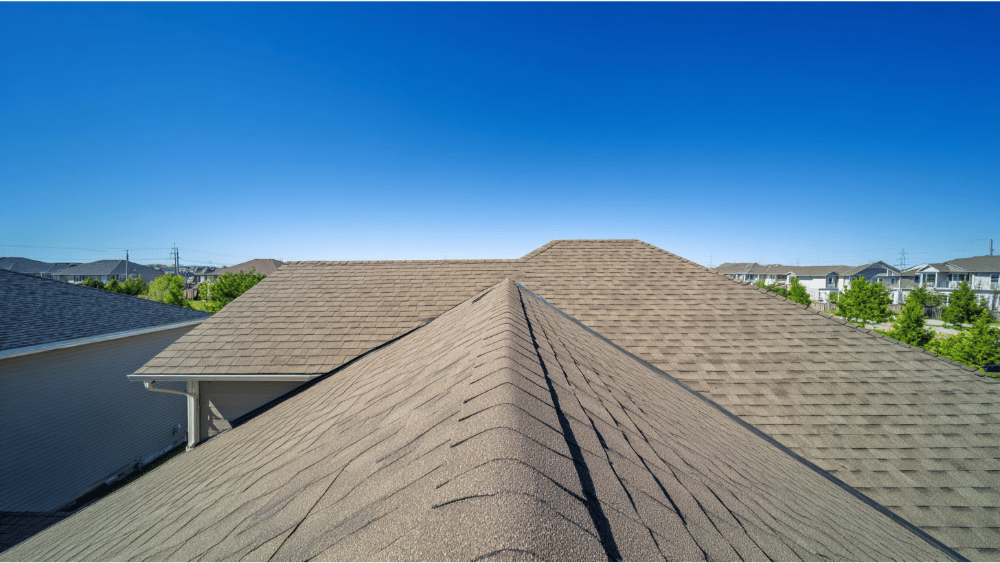
In warmer climates, roofs can be replaced throughout the year. Extreme heat and hurricane season are the biggest factors to consider. Many homeowners choose to replace a roof before peak storm activity to reduce the risk of wind damage or emergency repairs. Cooler temperatures in early summer or late summer are often more comfortable for installation.
In colder regions, spring and fall are usually the best season for roof replacement, but winter projects are still common when needed. Snow, heavy snow loads, and freezing temperatures make timing important, especially for older roofs. Addressing issues before winter storms hit can prevent significant damage.
In areas prone to hurricanes, hail, or high winds, timing matters. Replacing a roof before hurricane season can reduce the risk of severe damage and insurance claims. Many homeowners choose proactive roof replacement rather than reacting after storms cause widespread damage.
Some warning signs mean it is time to replace your roof regardless of season. These include active leaks, water stains on ceilings, missing shingles, sagging rooflines, or a severely damaged surface. A damaged roof that has already caused interior problems should not wait for the right season. Roof age is another factor. If your roof is near the end of its lifespan, scheduling a professional roof inspection can help determine whether replacement is the best option.

The smoothest projects happen when homeowners plan ahead. Scheduling inspections early helps avoid the rush of the busy season. Working with a local roofing company that specializes in residential roofing services ensures proper installation and warranty compliance. Planning ahead also allows you to coordinate other home improvement upgrades like gutters or insulation, which can improve energy efficiency and overall performance. A new roof installation that is well planned often delivers better results and fewer surprises.
Online advice can be helpful, but every roof is different. Weather patterns, roofing materials, roof design, and local building codes all affect the best time to replace a roof. An experienced roofing contractor understands these variables and can recommend the right season based on your home’s specific needs. Many roofing companies offer inspections to help homeowners make informed decisions rather than guessing.

There is no single month that works best for every home. Early spring, late summer, and fall are often ideal because of stable weather conditions.
Yes. Roofs can be replaced during winter months when temperatures allow and proper safety and installation practices are followed.
Not usually. Pricing is based on materials and labor, not the season, although scheduling flexibility may be greater in winter.
Most residential roofs can be replaced in one to three days, depending on size, material, and weather.
No. Waiting often leads to roof damage, interior water issues, and higher costs.
Yes. Roofing materials must be installed according to manufacturer guidelines, which is why working with a qualified roofing professional is essential.
So, what’s the best time of year to replace a roof? For many homeowners, spring, summer, and fall are popular choices, but winter is also a valid option when conditions require it. The best time to replace your roof is when you recognize the signs, understand your options, and take action before small problems turn into expensive repairs. Weather will always play a role, but preparation and professional guidance matter more. When your roof is replaced at the right time, your home stays protected, energy efficient, and ready for the years ahead.
2 min read
As a Bay Area homeowner, you’re well aware of the importance of a sturdy and reliable roof, especially in the face of the region’s...
1 min read
Are you a homeowner in Berkeley, California, considering a roof replacement? Roofing projects are significant investments, and choosing...
1 min read
When it comes to roofing projects in Berkeley, California, choosing the right roofing contractor is essential. Your roof is a critical...