5 min read

What Are the Signs My Commercial Roof Needs Replacement

What Are the Signs My Commercial Roof Needs Replacement

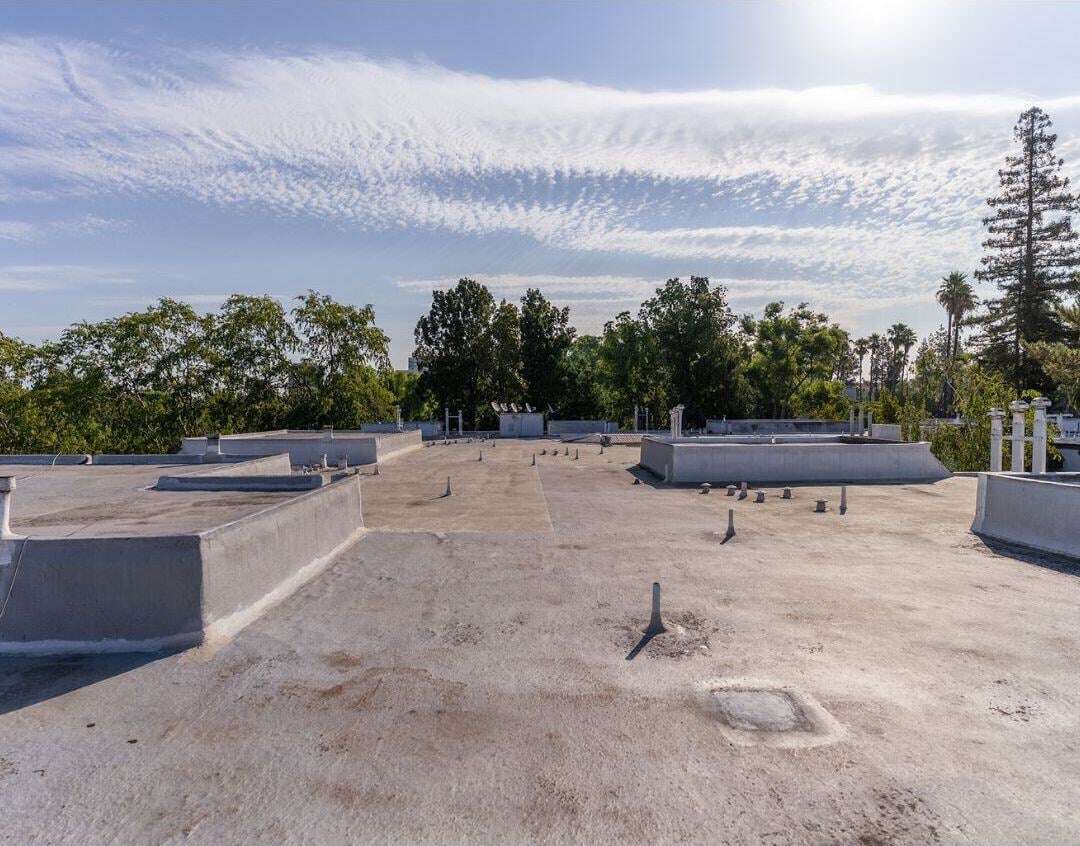
Understanding what are the signs my commercial roof needs replacement is critical for protecting a commercial building and avoiding costly disruptions. A commercial roof plays a major role in safeguarding the structure, controlling indoor comfort, and supporting daily operations. Unlike residential systems, commercial roofing systems are often flat or low slope, which makes them more vulnerable to drainage issues, trapped moisture, and long term wear. Knowing the warning signs early helps property owners make informed decisions and avoid emergency situations.

Why Commercial Roofs Fail Over Time

A commercial roof is exposed to constant stress throughout its life. Severe weather, extreme temperatures, UV exposure, high winds, and foot traffic all contribute to gradual roof deterioration. Most commercial roofing systems are designed for durability, but no roofing material lasts forever. Over time, membranes dry out, seams loosen, and fasteners weaken. Regular maintenance can slow this process, but aging materials eventually lose their ability to protect the building effectively.

Common Commercial Roofing Systems and Their Lifespans

Most commercial roofing systems include built-up roofs, single ply membranes, modified bitumen, and other commercial roofing materials designed for flat applications. Each system has an expected lifespan, often ranging from 20 to 30 years. The roof's lifespan depends on installation quality, climate exposure, proper insulation, and regular maintenance. When a roof reaches or exceeds its expected lifespan, replacement becomes more likely even if problems are not immediately visible.

How Old Is Your Commercial Roof?

Roof age is one of the most reliable indicators of future performance. An aging roof may still appear functional on the surface, but internal components like insulation and the roof membrane may already be compromised. Older roofs are more susceptible to water infiltration, structural issues, and ongoing leaks, especially after severe weather events.

When Repairs Stop Making Sense

Minor repairs can extend service life in younger systems, but repeated fixes on older roofs often turn into patchwork repairs. When repair costs increase each year and problems continue spreading, a roof replacement may be more cost effective than continued commercial roof repair. Avoiding premature commercial roof replacement is important, but delaying too long can increase overall replacement cost.

Recurring Roof Leaks and Water Intrusion

Water leaks are one of the most common signs that a commercial roof needs attention. Occasional leaks caused by isolated damage can often be resolved, but ongoing leaks in multiple areas usually indicate system wide failure. When water repeatedly finds its way inside, it suggests the roof membrane or flashing can no longer perform as intended.

Interior Warning Signs You Should Never Ignore

Water stains on ceilings, damp ceiling tiles, and discoloration on walls are clear indicators of water infiltration. Wet insulation, mold growth, and musty odors are also serious warning signs. These issues are not always immediately visible, which is why professional inspection plays such an important role in evaluating the roof's condition.

Visible Damage on the Roof Surface

Many commercial roof problems can be identified through a visual inspection. Visible damage often appears gradually and worsens over time.

Cracks, Tears, and Punctures

Cracks and punctures in the roof's surface allow water to enter the system. These openings may be caused by foot traffic, debris accumulation, or extreme temperatures that cause materials to expand and contract.

Blistering, Bubbling, and Wrinkling

Blisters and bubbles form when trapped moisture becomes heated beneath the membrane. This weakens the roofing material and increases the risk of leaks. Widespread blistering is a sign that the roof needs more than minor repairs.

Sagging Areas or Soft Spots

Sagging sections or soft areas underfoot often point to saturated insulation or damage to the roof deck. This type of significant damage threatens the roof's structural integrity and usually requires full replacement rather than surface level fixes.

Ponding Water and Drainage Issues

Standing water is especially damaging to a commercial flat roof. Ponding water that remains for more than 48 hours after rainfall stresses materials and accelerates deterioration.

Common Causes of Ponding

Poor drainage, blocked drains, compressed insulation, and failing drainage systems are common causes of ponding water. Parapet walls can also trap water if scuppers or internal drains are not functioning properly.

Long-Term Risks of Standing Water

Standing water increases the likelihood of water leaks and adds unnecessary weight to the structure. Over time, ponding water shortens the roof's long term performance and may void warranties if drainage issues are not addressed.

Rising Energy Bills and Poor Building Efficiency

A failing roof often impacts energy efficiency long before leaks become severe. When insulation degrades or membranes lose reflectivity, the building struggles to maintain stable temperatures.

HVAC Strain and Occupant Discomfort

Lack proper insulation forces the HVAC system to work harder. Property owners may notice increased energy bills, higher utility bills, and rising cooling costs without changes in usage. Uneven indoor temperatures are often tied directly to roof issues.

Frequent Repairs and Escalating Maintenance Costs

There is a point where commercial roof repair becomes reactive instead of preventive. Emergency repairs become more common, and regular maintenance no longer keeps issues under control.

The Cost Threshold Rule

If repair costs approach a significant percentage of replacement cost, it may be time to consider commercial roof replacement. Timely repairs are valuable, but repeated emergency services indicate deeper problems.

Business Disruption and Downtime

Leaks can damage equipment, inventory, and interiors, disrupting operations in a commercial property. Roof failure during severe weather can also create safety hazards and liability concerns.

Structural Damage and Safety Concerns

Roof problems rarely stay isolated. Prolonged moisture exposure can affect the entire commercial building.

Decking, Insulation, and Structural Components

When water reaches the roof deck, it can cause rot, corrosion, and loss of structural integrity. Structural issues may not be immediately visible but can worsen quickly if ignored.

Liability and Safety Risks

Water leaks increase the risk of slips, electrical hazards, and mold exposure. Insurance claims often increase when roof issues are left unresolved, especially after high winds or heavy storms.

Repair vs Replacement, How to Make the Right Call

Determining whether a roof needs repair or replacement requires a comprehensive evaluation. The roof's condition, age, and history all matter.

Questions to Ask Before Deciding

How old is the roof? Are problems isolated or widespread? Are there visible damage areas across the surface? How often are emergency repairs needed? Answering these questions helps determine whether a trusted roofing contractor should recommend repair or replacement.

The Importance of a Professional Commercial Roof Inspection

A professional inspection provides insight that surface checks cannot. Moisture scans, core samples, and drainage evaluations reveal hidden problems that impact roof performance.

How Often Commercial Roofs Should Be Inspected

Commercial roof inspections should be performed at least annually and after severe weather. Regular maintenance combined with scheduled roof inspection helps extend service life and avoid unexpected failures.

What Happens During a Commercial Roof Replacement

A commercial roof replacement typically involves removing damaged materials, addressing wet insulation, repairing the roof deck if needed, and installing new commercial roofing materials. Proper insulation upgrades and improved drainage are often included to enhance roof's long term performance. A qualified commercial roofing contractor coordinates safety, staging, and timelines to minimize disruption.

FAQs About Commercial Roof Replacement

How do I know if my commercial roof can be repaired instead of replaced?

If the roof is relatively young and damage is limited, minor repairs may be effective. Older roofs with widespread issues usually require replacement.

How long does a commercial roof replacement take?

Timelines vary based on size, materials, and weather conditions. Most projects take several days to a few weeks.

Can replacement be completed without disrupting operations?

Yes, with proper planning and communication, most commercial roof replacement projects allow businesses to remain operational.

Does insurance cover replacement?

Coverage depends on policy terms and the cause of damage. Insurance claims are more common after storm related damage than age related wear.

Final Thoughts, Recognizing the Warning Signs Early

Understanding common signs of roof failure helps property owners protect their investment. Warning signs like visible damage, ponding water, increased energy bills, ongoing leaks, and structural integrity concerns should never be ignored. A commercial roof needs proactive care, regular maintenance, and timely evaluation. Working with an experienced roofing contractor and scheduling professional inspection services allows informed decisions that protect the building, control costs, and ensure long term performance.

How Often Does a Roof Need to Be Replaced? A Homeowner’s Guide

How Often Does a Roof Need to Be Replaced? A Homeowner’s Guide

Homeowners ask this question more than almost any other when it comes to protecting their house. How often does a roof need to be replaced is not...
Read More
Choosing the Right Roofing Material for Your Home: A Comprehensive Guide - Symplify

3 min read

Choosing the Right Roofing Material for Your Home: A Comprehensive Guide - Symplify

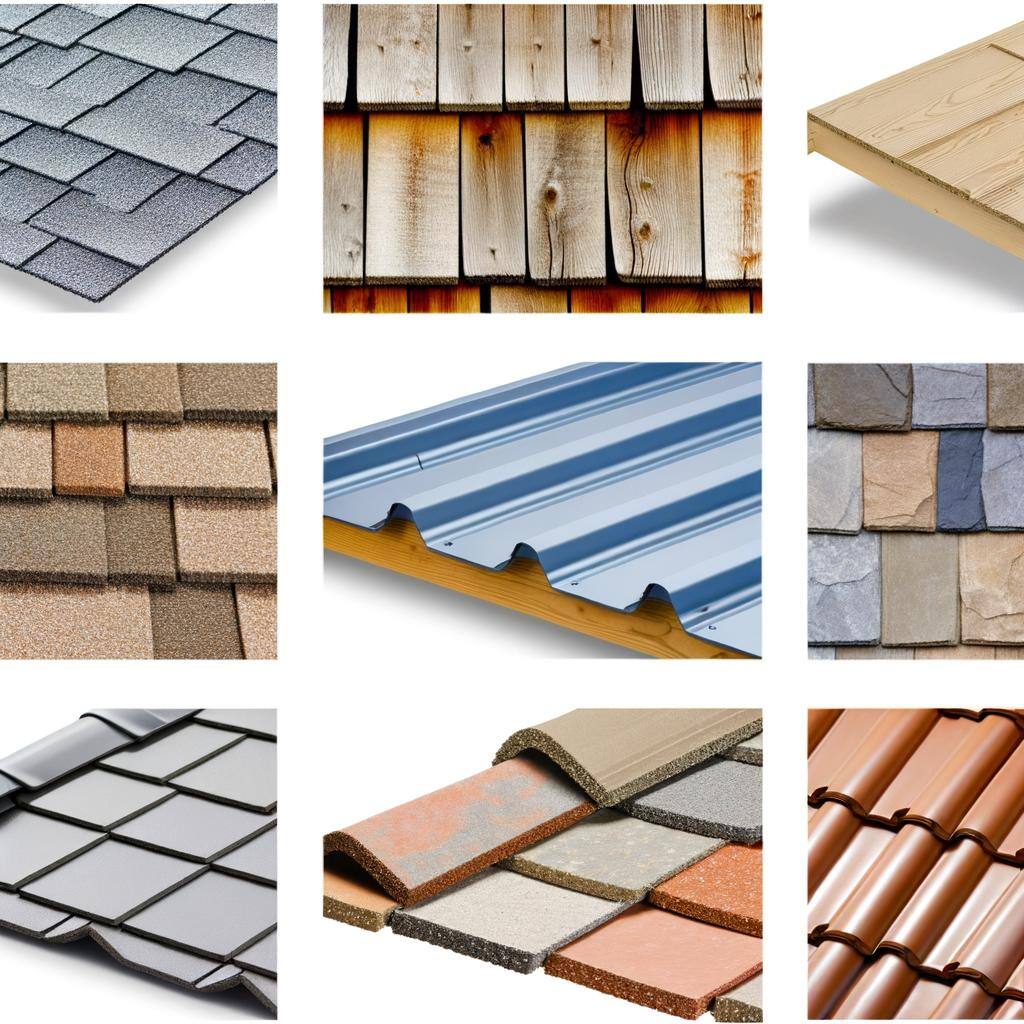
When it comes to home construction or renovation, one of the most critical decisions you’ll make is selecting the right roofing material. Your roof...
Read More
Do I Need to Replace Gutters When I Replace My Roof

Do I Need to Replace Gutters When I Replace My Roof

Homeowners planning a roof replacement often ask the same question, do I need to replace gutters when I replace my roof? It is a fair concern. Your...

Read More
Instant Roof Quote
(844) 796-5439