1 min read
Is it Cheaper to Repair or Replace a Roof? Discover the Best Choice for Your Home
Key Takeaway: Deciding between repairing or replacing a roof hinges on factors like damage extent, roof age, and costs. Repairs are cheaper upfront...
5 min read
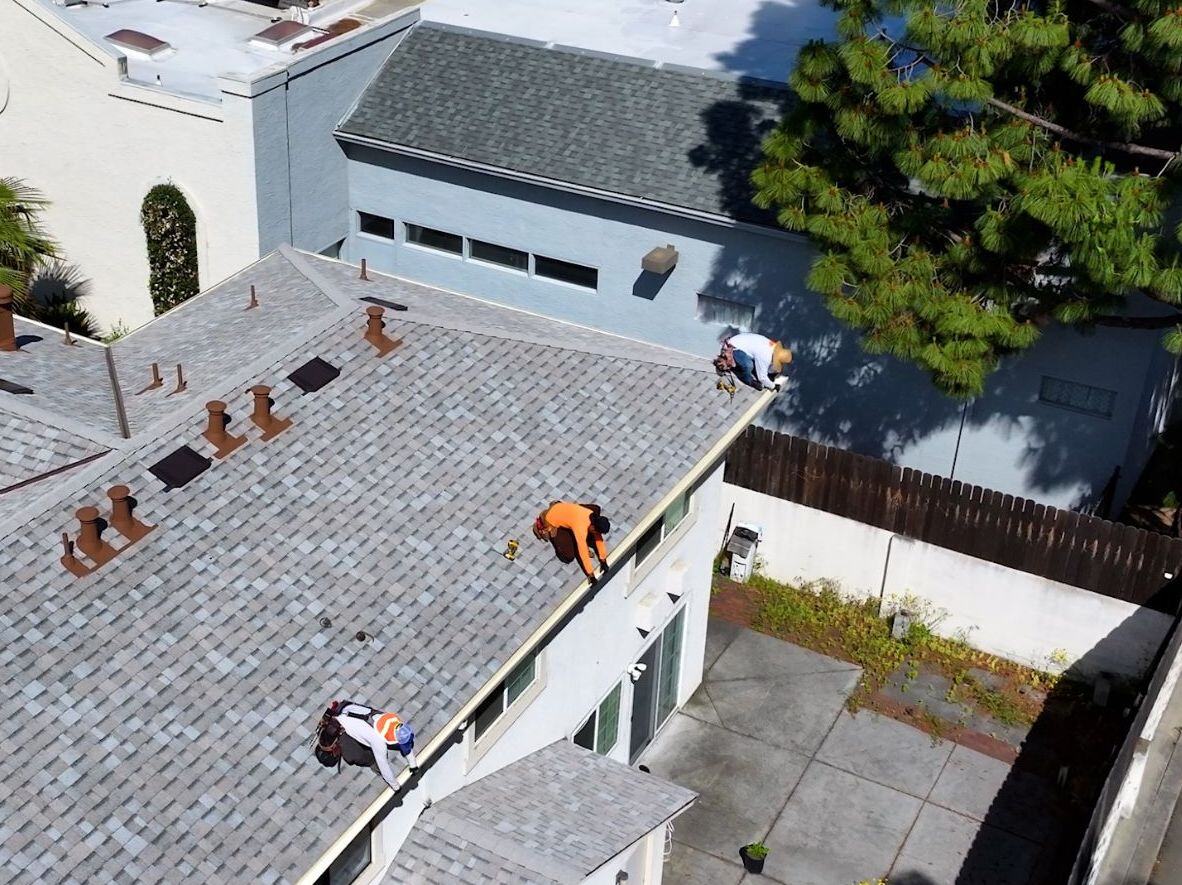
Homeowners planning a roof replacement often ask the same question, do I need to replace gutters when I replace my roof? It is a fair concern. Your roof and gutters work together to protect your house from water damage, falling debris, and long term structural issues. Replacing a roof is already a major investment, so understanding whether replacing gutters is required helps you make an informed decision and avoid unnecessary cost. The answer is not one size fits all. Several factors determine whether existing gutters can stay or whether it makes sense to replace your gutters as part of the project.

During a roof replacement, much of the roof edge, fascia, and eaves are exposed. Old shingles are removed, roofing materials are torn off, and roofers can see areas that are normally hidden. This process often reveals problems with old gutters, fascia boards, or drip edge details. Homeowners also worry about labor costs and whether removing gutters later will damage a new roof. Many ask if gutters when replacing a roof must be addressed to meet warranty limitations or modern installation standards. These concerns are valid, especially when you want your roof replaced correctly the first time.
No, you do not automatically need gutter replacement when you replace your roof. In normal circumstances, existing gutters that are well maintained and in good shape can stay. A skilled roofer evaluates whether gutters are properly installed, securely fastened, and compatible with the new roof system. However, if gutters show signs of failure, replacing gutters during the same project is often a smart move.

Your roof sheds water, and your gutter system is responsible for directing water safely away from the house. Gutters protect siding, fascia, and the foundation by controlling runoff. Without effective gutters, water can pool near the roof edge, soak fascia boards, and lead to rot or mold. Properly installed gutters are critical for protecting roof decking and extending the life of shingles.
Although gutters are essential, they are not technically part of the roof system. The roof system includes roofing materials like asphalt shingles or a metal roof, underlayment, metal flashing, and ventilation. Gutters attach to the fascia and manage water after it leaves the roof. This separation is why most roofers do not require gutter replacement with every roof replaced.
If old gutters have open seams, rust, or leaks, replacing gutters during roofing work makes sense. These problems will not improve with a new roof. Leaving damaged gutters can lead to water damage along the roof edge and fascia.
Sagging gutters often indicate issues with the fascia board or improper installation. When roofers remove gutters or loosen them during a roof replacement, underlying fascia problems are easier to repair. Installing new gutters afterward ensures proper alignment and long term performance.
Some homes have gutters that cannot handle modern rainfall or roof pitch. If water overflows during storms, replacing gutters with correctly sized gutter runs is often recommended. Adding gutters designed for the new roof improves drainage and protects the house.
Most gutters last 20 to 30 years. If your roof is being replaced and the gutters are close to that age, replacing them together can save cost over time. It avoids paying for gutter removal and installation later.

Existing gutters that are well maintained, securely installed, and free of leaks can often stay. In some cases, roofers temporarily remove gutters and reinstall them after roofing work to prevent dents and debris buildup.
If new gutters were installed within the last several years, replacing them may not be necessary. Minor adjustments can ensure compatibility with drip edge installation and the new roof.
Some homeowners choose to delay gutter replacement due to budget. This can work if gutters stay functional and protect the roof edge properly.
Drip edge is a critical component of modern roofing. It directs water from shingles into the gutter line instead of behind the fascia. Proper drip edge installation protects roof decking and fascia boards from moisture.
Old gutters installed too high or bent out of shape can interfere with drip edge placement. In these cases, roofers may recommend replacing gutters to ensure water flows correctly and prevent damage.

When old roof materials are removed, contractors may find rotted fascia behind gutters. This damage must be repaired before the roof replaced. Installing new gutters after fascia repair ensures a secure attachment.
Older installation methods can loosen over time. Roofing work is an opportunity to upgrade fastening methods and improve durability.
Replacing gutters during a roof replacement can reduce labor costs. Equipment is already on site, and one contractor can coordinate both systems. Pricing is often calculated per linear foot, which can be more efficient when bundled.
If only a small repair is needed or gutters are in good condition, separate gutter work may be more cost effective.

This is rarely recommended. Falling debris and construction activity can damage new gutters.
This is often the best timing. Roofers can remove gutters, complete roofing work, install drip edge, repair fascia, and then install new gutters with proper alignment.
This option works when gutters stay functional but need upgrading later. Care must be taken to protect the roof edge.
A professional inspection should evaluate the roof, gutters, fascia, roof decking, drip edge, and siding. Homeowners should receive clear explanations and recommendations without finger pointing between trades.

Symplify Roofing focuses on residential roofing and understands how gutters when replacing a roof affect long term performance. Our team evaluates whether to replace your gutters based on condition, not sales pressure. We coordinate roofing work and gutter removal carefully to protect your home, whether you have asphalt shingles or a metal roof. Our goal is to protect your investment with quality materials and workmanship.
Yes, in many cases gutters stay in place, though some roofers remove gutters temporarily for safety and precision.
When handled by experienced roofers, gutters can be protected or removed and reinstalled safely.
Most gutters last 20 to 30 years. Asphalt shingle roofs often last 20 to 25 years.
Yes, changes in slope or surface can affect water flow and may require different style gutters.
Gutter replacement is not typically required, but proper drip edge and drainage are essential.

So, do I need to replace gutters when I replace my roof? Not always. The right choice depends on several factors including condition, age, and compatibility. A professional evaluation helps homeowners make a smart move that protects their house from water damage and future repair.
If you are planning a roof replacement and want honest guidance on whether to replace your gutters, our team is here to help. Schedule an inspection and get clear answers tailored to your home.

1 min read
Key Takeaway: Deciding between repairing or replacing a roof hinges on factors like damage extent, roof age, and costs. Repairs are cheaper upfront...

2 min read
Homeowners are increasingly exploring ways to improve the energy efficiency of their homes as energy costs and environmental concerns grow....
1 min read
Are you a homeowner in Berkeley, California, considering a roof replacement? Roofing projects are significant investments, and choosing...