1 min read
How Long Does a Roof Last? A Complete Homeowner Guide to Roof Lifespan in 2025
How long does a roof last is one of the most common questions homeowners ask, and for good reason. Your roof protects everything underneath it, from...
5 min read
.png)
A $30,000 roof replacement can be reasonable depending on factors like size, material, and complexity. For larger homes or premium materials, costs can exceed $30,000, especially in high-cost areas like California. Understanding labor, materials, and local regulations helps determine if this investment is justified.

When contemplating a roof replacement, understanding average costs is crucial. Nationally, the cost for a standard asphalt shingle roof on a mid-sized home ranges from $5,000 to $15,000. However, this can vary widely depending on the region, with places like California experiencing higher costs due to local regulations and labor rates. In addition to regional differences, the type of roofing materials chosen can drastically influence costs. For instance, opting for metal roofing or clay tiles can raise the overall price significantly compared to traditional asphalt shingles, especially when factoring in the labor costs associated with installing these premium materials.
Several factors influence roofing costs beyond basic averages. The size of the roof, the complexity of its design, and the choice of roofing materials all play significant roles. Premium materials like metal or clay tiles can significantly increase the cost, as can complex roof designs with steep pitches or multiple levels. Additionally, structural repairs may be necessary for older roofs, which can further add to the roofing budget. Understanding roofing costs involves considering these elements to avoid unexpected expenses, ensuring a reasonable price for the full roof replacement.
Asphalt shingles are the most economical option, yet premium materials like slate or metal roofing can offer enhanced longevity and aesthetics. While the upfront cost of premium materials can be substantially higher, their durability and lower maintenance requirements can make them a wise long-term investment. For instance, in regions with extreme weather conditions, the energy efficiency and durability of metal roofing can offset higher costs over time through reduced utility bills and fewer repairs.
Investing in high-quality materials often comes with longer warranties, providing peace of mind and potential savings on future repairs. Understanding the longevity and warranty coverage of different materials can help homeowners make informed decisions about their roofing investment. For example, wood shingles and cedar shakes, while adding to the aesthetic and curb appeal, may not offer the same warranty duration as more durable materials like metal or slate, impacting the overall cost-effectiveness over time.

Labor costs are a significant component of any roofing project, typically constituting 40-60% of the total cost. Skilled labor for installing complex roofs or high-quality materials may command higher wages, but it ensures quality workmanship and long-term durability. Hiring a reputable roofing company with experienced professionals can be a crucial step in ensuring that the roof replacement project is executed efficiently and to high standards.
Labor rates can vary significantly depending on the region. In high-cost areas like California, labor expenses can be a substantial portion of the total roofing budget. Understanding these regional variations helps in accurately estimating the overall project cost. Moreover, the availability of skilled labor in certain areas can affect the timeline and quality of the roofing project, impacting the total cost and completion time.
Local building codes can impact roofing costs through permit fees and compliance requirements. Homeowners should anticipate these expenses, which vary by municipality, as part of the overall project budget. In some regions, additional fees may apply for meeting specific requirements related to fire safety and energy efficiency, which are crucial for ensuring the safety and compliance of the new roof.
In regions like California, compliance with fire and energy efficiency codes can increase costs but also enhance safety and energy savings. These regulations ensure that roofs meet stringent standards for fire resistance and energy efficiency. The upfront cost of adhering to these codes may be higher, but they significantly contribute to reducing long-term risks and utility bills, thus proving to be a cost-effective measure in the long run.

For large or complex roof designs, a $30,000 investment can be justified. Intricate architectural designs or homes with extensive square footage may require more materials and labor, driving up costs. High-end materials and multiple layers of roofing can further elevate costs, but they often result in a high quality roof that offers enhanced curb appeal and longevity.
Choosing high-end materials such as slate or copper not only enhances curb appeal but also offers superior durability. While the initial costs are higher, the long-term benefits and reduced maintenance can justify the investment. These premium options not only add to the aesthetic value but also provide a robust solution against harsh weather conditions, making them a worthwhile consideration for those looking to enhance the value of their home.
Quality craftsmanship is paramount in ensuring the longevity and performance of a roof. Hiring experienced professionals who prioritize safety and precision can prevent costly repairs down the line. A roofing professional with a strong track record can offer insights into the best practices for installation, ensuring that the roof withstands various environmental challenges.
Indicators of quality workmanship include proper installation techniques, clean job sites, and adherence to manufacturer specifications. These factors contribute to a roof's durability and the homeowner's peace of mind. Ensuring that the roofing company follows these standards not only safeguards the investment but also enhances the lifespan of the roofing materials used.

In some cases, roof repairs can be a cost-effective solution, especially for minor damage or leaks. This option preserves the existing roof structure and delays the need for a full replacement. However, assessing the roof size and extent of damage is crucial to determine if repairs will suffice or if a full roof replacement is necessary to prevent further issues.
However, for aging roofs or those with extensive damage, replacement may offer long-term savings by avoiding frequent repairs and improving energy efficiency. This investment can enhance property value and reduce utility bills. Opting for a full replacement with high-end materials can mitigate future repair costs and increase the overall durability of the roof.
Gutters play a critical role in directing water away from the roof and foundation. Integrating gutter replacement with a new roof ensures optimal performance and avoids future water damage. Ensuring that the gutters are made from durable materials and properly installed can significantly enhance the lifespan and functionality of the entire roofing system.
Gutter costs vary based on materials such as aluminum or copper. While more costly, premium options like copper offer superior durability and aesthetic appeal, complementing a high-quality roof. The choice of gutter materials can impact the overall roofing costs, but investing in high-quality options can prevent costly repairs in the future.

Regular roof inspections are essential for identifying potential issues before they escalate into costly repairs. These proactive measures extend the life of the roof and maintain its performance. Engaging a roofing professional for regular inspections can help detect issues early, ensuring that any necessary repairs are addressed promptly.
Early detection of issues such as leaks or structural weaknesses allows for timely intervention, preserving the roof's integrity and preventing more extensive damage. Frequent inspections can also aid in planning for future roofing projects, allowing homeowners to budget effectively and reduce costs by addressing potential problems before they worsen.
Choosing a contractor with the right credentials is crucial for ensuring quality and reliability. Homeowners should verify licenses, certifications, and past project reviews before hiring. Working with a reputable roofing company that offers quality workmanship and strong warranties ensures that the investment is protected over the long term.
Manufacturer warranties provide additional protection and assurance of quality. Working with contractors who offer strong warranties ensures that any issues post-installation are covered, providing long-term peace of mind. A sound warranty can significantly impact the overall cost-effectiveness of a roofing project by mitigating potential future expenses.
Labor costs typically constitute 40-60% of the total roofing project expenses, varying based on the complexity and skill level required.
Local building codes affect roofing costs through permit fees and compliance requirements, which can vary by municipality.
Repairing is cost-effective for minor issues, but replacement may offer long-term savings for aging or extensively damaged roofs.
A $30,000 roof can be justified by high-end materials, complex designs, and compliance with regional regulations, enhancing durability and value.
Ensure quality workmanship by verifying contractor credentials, reviewing past work, and choosing those offering strong manufacturer warranties.
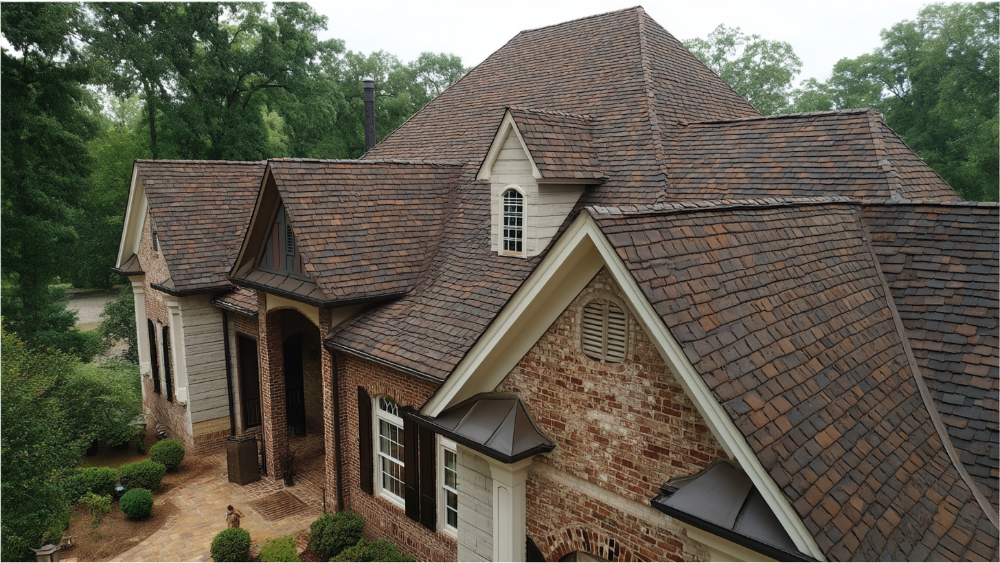
1 min read
How long does a roof last is one of the most common questions homeowners ask, and for good reason. Your roof protects everything underneath it, from...
1 min read
Homeowners ask this question more than almost any other when it comes to protecting their house. How often does a roof need to be replaced is not...
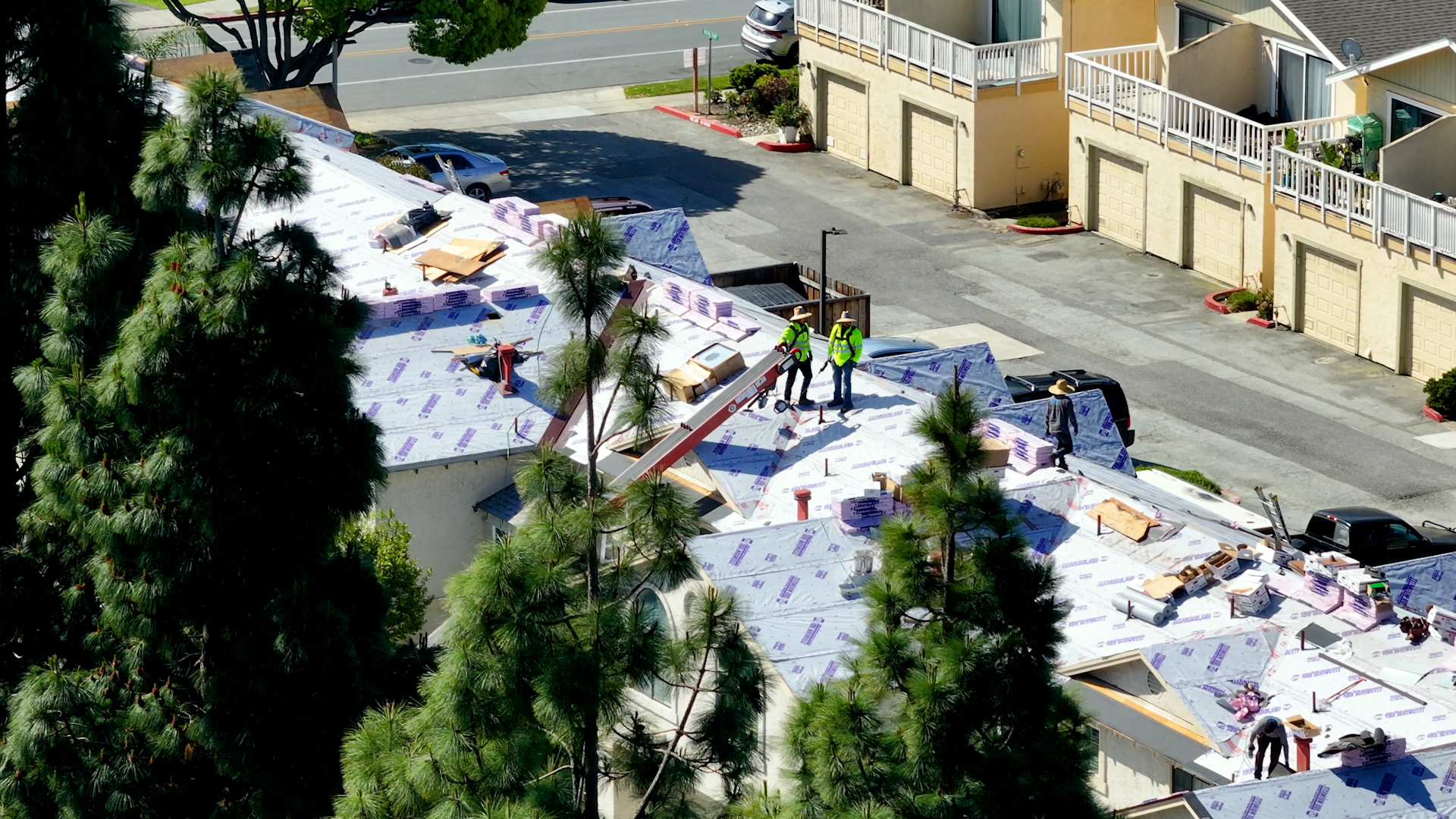
1 min read
Homeowners often ask the same question after noticing a leak, missing shingles, or signs of wear, what’s the difference between roof repair and roof...