1 min read
How Big Is a Roofing Square? A Homeowner’s Guide to Roofing Measurements
AI Overview: A roofing square is a standard measurement in the roofing industry, equal to 100 square feet. Knowing how big a roofing square is...
4 min read
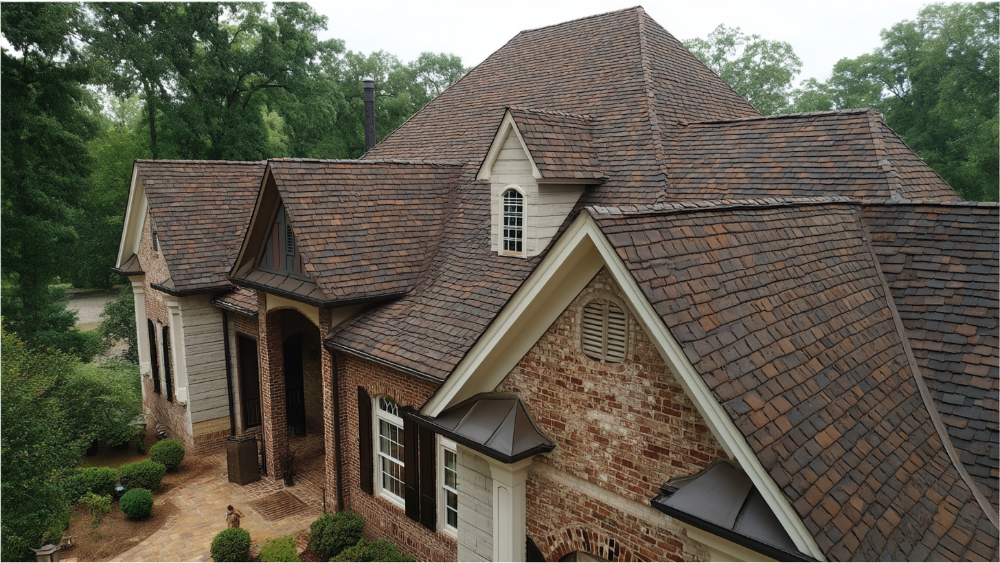
How long does a roof last is one of the most common questions homeowners ask, and for good reason. Your roof protects everything underneath it, from the roof deck to the walls, insulation, and interior finishes. In most homes, a roof will last anywhere from 20 to 30 years, but that number changes based on roofing materials, installation quality, weather exposure, and proper maintenance. Understanding the roof’s lifespan helps you plan roof replacement, avoid roof leaks, and make confident decisions about your home.

When people ask how long does a roof last, they are often thinking about warranties or advertised numbers. Roof life expectancy is not the same as a roof warranty. A warranty outlines coverage terms, while the lifespan of a roof refers to how long it can realistically perform before it needs to be replaced. Even the most durable roofing materials can fail early if they are not installed correctly or properly maintained. The roof structure, ventilation, and roofing underlayment all play a role in how long does a roof truly last.
Different roof types age at different rates. Below is a realistic look at roof life expectancy for the most popular roofing materials used on homes today.
Asphalt shingles remain one of the most popular roofing materials because they are affordable and versatile. Three tab asphalt shingles typically last around 20 years. Architectural asphalt shingles and architectural shingles are thicker and more durable, often lasting 25 to 30 years when installed correctly. An asphalt shingle roof relies on protective granules to shield the shingles from sun exposure. Over time, wear and tear causes those granules to loosen, reducing the roof’s longevity. Asphalt roofs can last longer with proper ventilation, regular inspections, and minimal moisture buildup.
Metal roofs are known for durability and long service life. Many homeowners choose metal roofs because they can last 40 to 70 years depending on the system. Metal roofing options perform well in areas with high winds and storm damage. Proper installation is critical, since poor installation can lead to loose panels or fastener issues. Metal roofs also contribute to energy efficiency by reflecting heat away from the home.
Tile roofs are among the most durable roofing materials available. Clay tile roofs and concrete tiles can last 50 years or more, with some clay tile and slate roofs lasting well over 75 years. The tiles themselves are extremely durable material, but the roofing underlayment beneath them may need replacement earlier. Clay tile roofs and concrete tiles require skilled roof installation to support the weight and protect the roof deck underneath.
Slate roofs are considered one of the most durable roofing materials in residential construction. Natural slate roofs can last 75 to 100 years or longer when properly maintained. Slate roofs require specialized installation and minimal maintenance compared to other roofing materials. Because of their weight, the roof structure must be designed to support them.
Flat roofs are common on certain home styles and additions. Flat roofs typically use EPDM, modified bitumen, or built-up systems. The average life expectancy for flat roofs is about 15 to 30 years. Proper drainage, adequate ventilation, and regular maintenance are critical to prevent moisture buildup and roof leaks on flat roofs.
Wood shingles and shakes offer a natural appearance but require more upkeep. Wood shingles typically last 20 to 30 years. Regular inspections, proper ventilation, and trimming overhanging tree branches help reduce algae growth and moisture retention.

The lifespan of your roof depends on more than just materials.
Installation quality is one of the biggest factors in how long does a roof last. A roof installed correctly with proper underlayment, flashing, and ventilation will outperform a poorly installed system. Poor installation can lead to uneven shingles, loose shingles, and premature roof repairs.
Proper ventilation and adequate ventilation help regulate attic temperatures. Excess heat and moisture buildup can damage roof shingles and shorten roof life expectancy. Ventilation also protects the roof deck and reduces wear and tear over time.
High winds, heavy rain, and extreme temperatures impact roof’s longevity. Homes exposed to frequent storm damage or intense sun may experience faster aging. Roofing materials perform differently depending on climate conditions.
Regular maintenance and regular inspections help catch small issues early. Clogged gutters, algae growth, and damaged shingles are common problems that worsen when ignored. Proper maintenance can extend the lifespan of a roof by years.
Knowing the warning signs helps homeowners avoid emergency roof replacement.
Missing shingles, damaged shingles, and loose shingles are clear indicators of aging. Water stains on ceilings or walls often point to roof leaks. Uneven shingles, algae growth, and frequent repairs suggest the roof needs to be replaced. If your current roof is over 25 years old, it is wise to schedule an inspection even if problems are not obvious.

Roof repairs can be effective when damage is limited and the roof’s lifespan has years remaining. Frequent repairs, widespread wear, or structural concerns often signal that roof replacement is the better long-term option. Waiting too long can lead to interior damage, higher costs, and safety concerns.
Homeowners can take steps to extend how long does a roof last.
Selecting durable roofing materials that suit your climate improves roof’s longevity. Asphalt shingles, metal roofs, tile roofs, and composite shingles all offer different benefits.
Proper ventilation, adequate ventilation, and insulation reduce heat stress and moisture buildup, helping the roof last longer.
Regular inspections by a roofing professional help identify warning signs early. Inspections after high winds or storms are especially important.
A professional roofing contractor ensures proper installation and quality workmanship. Experienced roofing contractors understand how installation quality impacts roof life expectancy.

A new roof improves buyer confidence and can increase resale value. Home inspectors focus heavily on roof condition. Replacing an aging roof before it fails protects both your investment and your peace of mind.
Local climate matters. Homes exposed to high winds, intense sun, or heavy rainfall may experience shorter roof lifespans without proper maintenance. A roofing professional familiar with local conditions can provide accurate guidance for your home.
The average lifespan of a roof is 20 to 30 years, depending on materials and care.
Asphalt shingles typically last 20 to 30 years, with architectural asphalt shingles lasting longer than three tab asphalt shingles.
Yes, tile roofs, slate roofs, and some metal roofs can last 50 years or more.
Warning signs include roof leaks, missing shingles, water stains, and frequent repairs.
Yes, proper maintenance and regular inspections significantly extend roof life expectancy.

Understanding how long does a roof last helps you plan ahead and avoid costly surprises. The right roofing materials, proper installation, and regular maintenance all play a role in protecting your home.
A professional inspection provides clarity and confidence. If your roof shows warning signs or is nearing the end of its expected life, it may be time to replace your roof and protect your home for decades to come.
1 min read
AI Overview: A roofing square is a standard measurement in the roofing industry, equal to 100 square feet. Knowing how big a roofing square is...
2 min read
A home’s roof is its first line of defense against weather and external elements, but it often goes unnoticed until a significant problem arises. At...
1 min read
Quick Summary Roof leaks are one of the most frustrating problems homeowners face. The visible damage inside your home is rarely where the problem...