2 min read
Shingle Roofing: The Ideal Choice for Bay Area Homeowners - Symplify
Are you a Bay Area homeowner considering a roof replacement? If so, you’ve likely come across a multitude of roofing options. However,...
6 min read
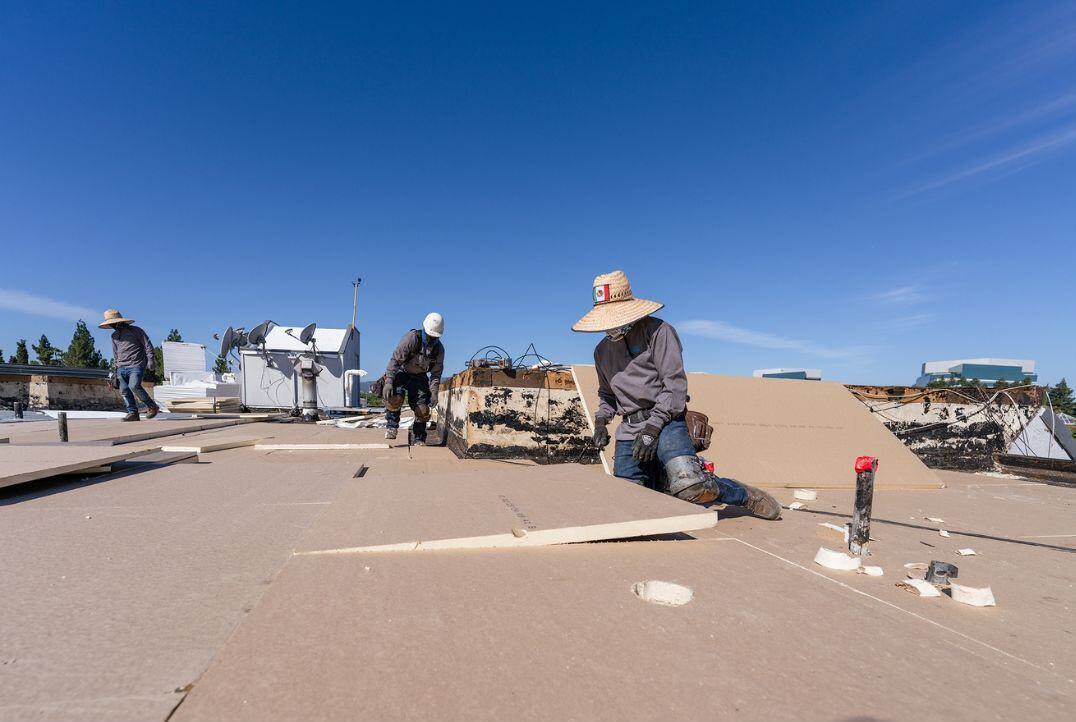
A roofing square is a standard measurement in the roofing industry, equal to 100 square feet. Knowing how big a roofing square is helps homeowners accurately estimate roofing material needs and compare contractor quotes for replacement, repair, or new installation projects.

In roofing, a "square" is not a literal square shape on your roof, it's a standard unit of measure used by installers and manufacturers. One roofing square always equals 100 square feet of roof area. This term simplifies estimating, ordering, and pricing materials while reducing confusion caused by complex or varied roof shapes. If you see a roof listed as 25 squares, that means it covers 2,500 square feet.
Roofing squares offer a streamlined way to discuss and compare materials or costs, especially for larger jobs. Contractors, manufacturers, and suppliers rely on this unit to standardize packaging (bundles, rolls, tiles) and pricing for both small and large homes. Squares also make it easier to factor in wastage, overlaps, and installation practices.
The roofing square dates to when estimating and selling materials had to be clear for both builders and suppliers. Measuring by squares ensured less guesswork and consistent delivery, regardless of roof complexity, region, or builder experience.
Asphalt shingles, wood shakes, clay and concrete tile, and rolled roofing for flat surfaces are all commonly measured and sold by the square. Even metal panels are often priced this way, grouping enough material to cover 100 square feet per square.
Quick Tips: Remember, one roofing square = 100 square feet. This never changes, regardless of the roofing material—a crucial fact for homeowners to understand when reviewing estimates or discussing repairs.
Simply put, a roofing square always covers 100 square feet. Whether you’re hiring a professional or estimating yourself, this is the constant: 1 square = 100 sq. ft. For a typical single-story home with a 2,000 square foot roof, you’d have 20 squares.
Picture a 10-foot by 10-foot area—that’s one square. If you have a rectangular roof section that is 20 feet wide by 25 feet long, multiply (20 x 25 = 500 sq. ft.), and divide by 100 (500 ÷ 100 = 5 squares). Roofs split by multiple sections, hips, and valleys require each part to be measured and converted to squares.
| Measurement | Size |
|---|---|
| One Roofing Square | 100 sq. ft. |
| One Sheet of Plywood (4’x8’) | 32 sq. ft. |
| Two-Car Garage Floor | ~400 sq. ft. |
| Small Bedroom | ~120-150 sq. ft. |
Quick Tips: Whenever you're estimating your roof's size, break large and complex shapes into rectangles and triangles, add them up, and always convert to squares by dividing your total square footage by 100.

Most residential roofs in the U.S. use asphalt shingles—but whether you have shingles, tile, or flat roofing, all are measured in squares for consistency. Tiles are bundled or palletized by the square. Roll roofing for low-slope or flat roofs is sold in lengths that cover one square per roll.
Roofs are rarely straightforward rectangles. Hips, valleys, dormers, and gables add complexity, and each feature requires careful measurement. Outcroppings, skylights, or chimneys can create extra waste, which must be included in square calculations.
Roof pitch (slope) impacts real surface area. A steeper roof has a greater actual square footage than its footprint. Roofing contractors use pitch multipliers—formulas based on the steepness—to ensure you're getting the right amount of material. For example, a 6/12 pitch (moderately steep) requires multiplying the base area by 1.12.
Quick Tips: Always account for your roof’s pitch and unique features. If in doubt, ask for a free estimate. Professional roof inspections include expert measurements to ensure you get exactly what’s needed—no more, no less.
"Waste" refers to extra material needed due to cutting, fitting, and discarding pieces around hips, ridges, valleys, and roof features. It’s unavoidable and essential to prevent shortages. Typical roofing waste is 10% to 15% of the base square count—but can be higher on very complex roofs.
On simple, low-pitch roofs, waste may run closer to 10%. Steeper or intricate roofs (with many angles and obstacles) demand more waste material—sometimes up to 20% on elaborate custom homes.
Quick Tips: Even if your roof measures exactly 30 squares, your materials order may be 33 or more. Ask your contractor how they calculate waste for your specific design.

Traditionally, contractors measured roofs by hand—climbing, using tape measures, and sketching each section. Today’s best practices leverage digital technology. Tools like satellite imagery, drones, and specialized apps map your roof to the inch, catching every angle and feature for superior accuracy.
At Symplify Roofing, we combine on-site verification with digital measurements. Our roofing installation process uses high-resolution imagery and 3D modeling, which allows for precise material planning and clear communication. These technologies help homeowners understand what they’re buying and why.
Errors in measurement can mean costly overruns, delays, or cut corners. By ensuring accurate square counts, reputable contractors eliminate surprises. This precision is critical for warranty compliance and for getting exactly what you pay for, whether you are repairing storm damage or tackling a full roof replacement.
We begin with a comprehensive digital scan, validate on-site, and create transparent estimates detailing how many squares are on your roof—waste included. Our team explains every line item so you know there are no hidden extras. Ready to get started? Learn about our roof replacement services for more insight.
Quick Tips: Always ask your roofer about their measurement methods. Modern technology paired with expertise means you get a fair price and a reliable result.
Your estimate should clearly list the number of squares, waste allowance, and materials for specific roof components (shingles, underlayment, flashing, ridge caps). If the numbers seem unclear or higher than expected, ask for an explanation of waste factors and supplementation for special features.
Not all estimates include the same waste calculations or item details. One quote may seem cheaper but account for less waste or fewer high-quality materials. Review line items carefully and insist on transparent square counts for apples-to-apples comparisons.
If you’re not sure how to evaluate bids or want peace of mind, explore our guide on what sets a trusted roofing contractor apart and the questions every homeowner should ask before committing.
Quick Tips: Estimates written in "squares" help you spot the difference between transparent pricing and guesswork. Don’t be afraid to get a second opinion or request clarity on any point.

The answer to "how big is a roofing square?" is always 100 square feet—but that’s just the start. Accurate measurement, pitch factors, and waste considerations all impact the final material count and project success. An informed homeowner is protected from hidden costs and can make smart decisions for their home and family.
At Symplify Roofing, we handle every detail—from precise measurements and honest estimates to masterful installation and strong warranties. Our mission is to educate, reassure, and serve homeowners with craftsmanship and care.
Ready to understand exactly what your home needs? Schedule your free roofing estimate today and get answers you can trust from a friendly roofing specialist.
A roofing square covers 100 square feet of roof area—making it an easy way to group and price materials. For example, a 2,000 square foot roof would equal 20 squares.
Yes, a roofing square always equals 100 square feet, whether you’re using asphalt shingles, concrete or clay tile, or flat roofing materials. Only the way the material is packaged may differ.
Contractors measure individual roof sections, account for hips, valleys, dormers, and use formulas or software to add them up—often with added squares for waste, especially on complex roofs.
Extra squares account for waste created during cutting and fitting around features like chimneys, skylights, and valleys—helping ensure your project isn’t delayed by material shortages.
Yes, both sloped and flat roofs are measured in squares. However, flat roofs often have less waste, but factors like drainage design and material type may affect final quantities.
Modern satellite and drone tools provide highly accurate measurements down to the square foot—often catching details that manual methods miss. Symplify Roofing uses these tools for precision and reliability.
2 min read
Are you a Bay Area homeowner considering a roof replacement? If so, you’ve likely come across a multitude of roofing options. However,...
1 min read
Congratulations on your new home! This is an exciting milestone, but it also comes with a whole new set of responsibilities, especially when it...
2 min read
In Berkeley, homeowners are increasingly seeking roofing solutions that align with sustainable values. Symplify Roofing, recognized as an...