1 min read
How Long Does a Shingle Roof Last? Discover the Secrets to Maximizing Lifespan
Key Takeaway: Shingle roofs typically last 20 to 30 years, but factors like material quality, installation, and maintenance significantly affect...
9 min read
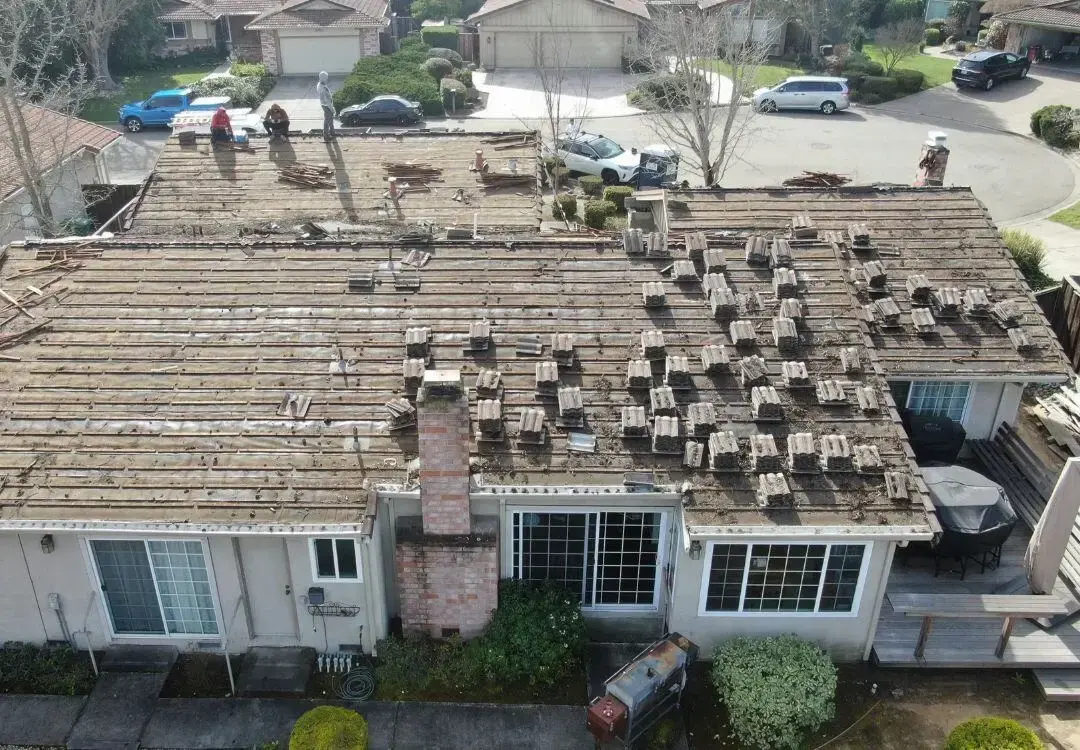
In 2026, the average cost for a new roof ranges from $8,000 to $30,000, influenced by materials, labor, and regional factors. Asphalt shingles offer affordability, while metal and slate lead to higher expenses. Rising material and labor costs, as well as building code updates, significantly affect overall pricing.

The cost of a new roof is determined by several key factors, including the choice of roofing material, the size and pitch of the roof, and whether an existing roof needs to be removed. For instance, roofing materials like basic asphalt shingles are more affordable, while premium options like metal roofs or a slate roof dramatically increase the roof cost. The actual cost also varies depending on the roof size, with larger roofs requiring more materials and labor. Additionally, the complexity of the roof replacement, including the need for roof removal and disposal costs of old shingles, can further drive up expenses. Moreover, these factors interact with regional pricing variations driven by local economic conditions and availability of skilled labor, making it crucial for homeowners to conduct thorough research and obtain multiple estimates to accurately gauge roof replacement costs.
In 2026, the average price for a new roof in the United States spans from $8,000 to $30,000. Most homeowners will find themselves spending between $9,000 and $18,000 for a standard roof installation using asphalt shingles. However, opting for premium materials like metal shingles or clay tiles can significantly elevate the cost of a new roof, with metal roofs ranging between $15,000 and $35,000, and a slate roof potentially exceeding $50,000. It's crucial to consult with a reputable roofing contractor to get a free estimate tailored to your specific project needs, ensuring transparency in roof pricing. Additionally, using advanced roofing calculators that consider regional variations, roof complexity, and material choices can offer more accurate projections of the total cost, helping to avoid unexpected financial burdens.
Asphalt shingles remain the most affordable roofing material for homeowners looking for cost-effective solutions. They offer a good balance between durability and price, with a typical lifespan of 15 to 30 years. This makes them an excellent choice for homeowners seeking to manage their new roof cost. Despite being the most affordable roofing material, asphalt shingles come in various styles, including architectural shingles, which provide enhanced aesthetic appeal and better wind resistance. Furthermore, innovations in asphalt shingle technology have led to options that mimic the appearance of more expensive materials like slate and wood shake, providing homeowners with budget-friendly yet attractive roofing solutions.
For those considering a long-lasting investment, metal and slate roofs are premium options that deliver exceptional durability and aesthetic value. Metal shingles, available in different styles and colors, provide longevity and energy efficiency, making them a popular choice despite their higher cost. A slate roof, on the other hand, offers unmatched elegance and can last over a century, but it comes with a steep price tag. The higher cost of these materials is justified by their longevity and minimal maintenance requirements, making them a preferred choice for homeowners looking to enhance their property's value significantly. Additionally, these materials are often fire resistant and can lead to reduced insurance premiums, offering further economic benefits over their lifespan.

Labor costs for roof replacement vary significantly by region, influenced by local economic conditions and the availability of skilled labor. In areas with a high demand for roofing services, such as regions prone to extreme weather conditions, labor costs can be substantially higher. For example, roofing projects in the Northeast or West Coast may incur additional expenses due to the scarcity of skilled roofers and adherence to strict building codes. Understanding these regional differences is crucial for accurately estimating the roof replacement labor component of your project. Engaging with local roofers who understand the specific challenges and requirements of your area can provide valuable insights into the most cost-effective solutions tailored to the local climate and architectural styles.
Geographic location not only affects labor costs but also impacts the choice of roofing material and installation techniques. In areas with harsh climates, such as tornado-prone regions or those experiencing heavy snowfall, building codes are often more stringent, requiring additional materials and specialized installation techniques to ensure durability. Updated building codes in extreme-weather regions contribute to a 6–10% rise in labor costs and a 5–8% increase in material costs, making it essential for homeowners to consider these factors when planning a roof replacement. Utilizing local expertise to navigate these regulations can save homeowners from costly rework and ensure compliance with all necessary safety and performance standards.
Accurately calculating the roof size is a fundamental step in determining the overall roof cost. This is typically measured in roofing square units, where one square equals 100 square feet. The square footage of the roof directly influences the amount of roofing material required and the labor involved. A larger roof naturally demands more materials, leading to a higher overall cost. Homeowners should consult with a roofing contractor to obtain precise measurements and a detailed breakdown of the materials cost for their specific project. Using advanced measurement tools and techniques, such as drone technology and satellite imagery, can improve accuracy and efficiency in determining roof size and complexity, ultimately aiding in better cost estimation.
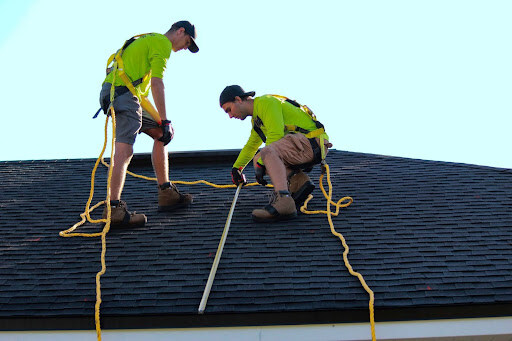
The pitch, or slope, of a roof plays a significant role in the complexity of the roof installation process. Steeper roofs present more challenges, requiring additional safety measures and specialized equipment, which increases labor costs. A single story roof with a low pitch is generally less expensive to install than roofs with a high pitch, as the latter often necessitates more time and expertise to ensure proper installation. Understanding how roof pitch impacts labor and safety considerations is crucial for homeowners planning a roof replacement. Additionally, different roof pitches may necessitate specific roofing materials and installation techniques to ensure a watertight seal and long-term performance, further influencing the total project cost.

Project complexity is a key factor influencing labor costs in roof replacement projects. Roofs with intricate designs, multiple angles, or features like dormers and skylights require more skilled labor and time, leading to higher labor costs. Additionally, if the old roof needs to be removed before the new roof installation, the roof replacement labor costs can increase significantly. Homeowners should work with experienced roofing companies, like those in Emeryville, CA or San Mateo, to ensure that the complexities of their project are accurately assessed and factored into the cost estimate. Leveraging the expertise of seasoned professionals can help identify underlying issues early, potentially saving time and resources by streamlining the installation process.
Hiring skilled installers is crucial for achieving a high-quality roof installation that meets building codes and ensures long-term performance. Skilled roofers possess the expertise to handle complex installations, adhere to safety standards, and execute precision work that minimizes potential issues. While opting for less experienced labor might seem cost-effective initially, it can lead to costly repairs and maintenance in the future. Homeowners should prioritize the expertise and reputation of roofing contractors when evaluating roof replacement costs. Engaging with reputable roofing companies that offer continuous training and certification for their workers can provide additional assurance of quality and compliance with the latest industry standards.
Obtaining the necessary permits for roof installation is an essential part of the process, often adding to the overall cost. Permit requirements vary by locality, with fees based on the scope and scale of the project. Homeowners should familiarize themselves with the specific permit requirements in their area to avoid delays and penalties. Roofing contractors typically include permit fees in their estimates, ensuring compliance with local regulations and providing homeowners with peace of mind. Collaborating with local authorities and experienced contractors can streamline the permit acquisition process, preventing potential legal and financial setbacks.
Building codes are designed to ensure safety and structural integrity, yet they can significantly influence roofing costs, especially in regions with updated codes for extreme-weather conditions. Compliance with these codes often requires additional materials and specialized installation techniques, impacting both material and labor costs. Homeowners should consider the implications of local building codes when planning their roof replacement project to avoid unexpected expenses and ensure their new roof meets all safety and performance standards. Proactively engaging with building inspectors and using compliant materials can mitigate risks and enhance the long-term resilience of the roofing system.

A pre-installation roof inspection is a wise investment that can identify potential issues before the roof replacement begins. This inspection allows for a thorough assessment of the roof's condition, helping homeowners and contractors develop an accurate plan and budget for the project. Identifying problems early can prevent costly surprises and ensure a smooth roof installation process. Homeowners should prioritize inspections to maximize the return on investment and extend the lifespan of their new roof. Incorporating thermal imaging and moisture detection technologies during inspections can further enhance the accuracy of assessments and provide data-driven insights for informed decision-making.
Post-installation quality checks are an essential step in ensuring that the roof replacement meets all expectations and adheres to industry standards. These checks verify the installation's integrity, identify any defects, and confirm compliance with manufacturer warranties. Conducting thorough inspections after installation helps prevent future issues and provides homeowners with peace of mind, knowing that their investment is protected. A reliable roofing company will include these quality checks as part of their service, offering added value to their clients. Utilizing independent third-party inspectors can also provide an unbiased evaluation of the work, further safeguarding the homeowner's investment.
Gutters play a critical role in protecting the home from water damage by directing rainwater away from the foundation. During a roof replacement, homeowners often consider gutter replacement services to enhance the overall performance and longevity of their roofing system. The cost of gutter replacement varies based on the materials and design chosen, with seamless aluminum gutters being a popular and cost-effective option. Including gutter replacement in the roofing project can improve water management and prevent potential damage to the home's structure. Advanced gutter systems with features like leaf guards and integrated heating elements for ice prevention can further optimize functionality and reduce maintenance efforts.
Attic insulation is a key factor in maintaining energy efficiency and comfort within the home. Upgrading insulation during a roof replacement can lead to significant energy savings by reducing heat loss in the winter and keeping the home cooler in the summer. The cost of attic insulation varies depending on the type and amount of insulation required, but the long-term energy savings make it a worthwhile investment. Homeowners should discuss insulation options with their roofing contractor to enhance the overall energy efficiency of their home. Leveraging high-performance insulation materials and proper ventilation strategies can significantly improve indoor air quality and reduce the home's carbon footprint.

Manufacturer warranties provide crucial protection for homeowners investing in a new roof. These warranties cover defects in roofing materials and, in some cases, issues related to installation. Understanding the terms and coverage of warranties is essential for homeowners to maximize their investment and avoid unexpected costs. Roofing contractors should clearly explain warranty options to their clients, ensuring they are aware of the benefits and limitations of each warranty plan. Evaluating the reliability of manufacturers and their track record in honoring warranty claims can offer additional peace of mind to homeowners considering a significant roofing investment.
Extended warranties offer additional coverage beyond standard manufacturer warranties, often including labor and material costs for a specified period. While these warranties come with an extra cost, they provide valuable peace of mind and can protect homeowners from significant expenses related to unforeseen issues. Evaluating the cost versus value of extended warranties is crucial for making an informed decision about long-term roofing investments. Homeowners should consider their specific needs and budget when deciding whether to invest in extended warranty coverage. Comparing different warranty providers and seeking testimonials from past customers can help in understanding the true value proposition of extended warranties.
Many homeowners explore financing options to manage the cost of a new roof, spreading payments over time and reducing the immediate financial burden. Several financing plans are available, including home improvement loans, home equity lines of credit, and financing options offered by roofing contractors. Exploring these options can help homeowners select a plan that aligns with their budget and financial goals, ensuring a manageable path to roof replacement. Consulting with financial advisors to compare interest rates, repayment terms, and potential tax benefits can enhance decision-making and optimize financial outcomes.
Effective budgeting is key to successfully managing the costs associated with roof replacement. Homeowners should begin by obtaining detailed estimates from reputable roofing companies, considering all potential expenses, including materials, labor, permits, and additional services. Creating a comprehensive budget that accounts for these factors ensures a smooth project execution and minimizes financial stress. With a well-planned budget, homeowners can confidently invest in their new roof, knowing they have accounted for all potential costs. Incorporating contingency funds for unexpected expenses and regular financial reviews can further enhance project stability and ensure alignment with financial objectives.
Labor costs vary significantly depending on geographic region, influenced by local economic conditions and the availability of skilled workers. Areas with a high demand for roofing services may experience higher labor costs.
Permit requirements for roof installation vary by locality, with fees based on the scope of the project. Homeowners should consult with local authorities to understand specific permit requirements and associated costs.
Premium materials like metal and slate offer exceptional durability and aesthetic value, justifying their higher cost. These materials provide long-term benefits, including reduced maintenance and enhanced property value.
In some cases, roof repairs can be a cost-effective solution, especially if the roof is relatively new and the damage is localized. However, extensive damage or an aging roof may necessitate a full replacement for long-term savings.
When budgeting for a new roof, consider factors such as material and labor costs, permit fees, and additional services like gutter replacement. Obtaining detailed estimates and planning for potential contingencies is essential.
Building codes in extreme-weather regions often require additional materials and specialized installation techniques, impacting both material and labor costs. Homeowners should consider these factors when planning their roofing projects.
1 min read
Key Takeaway: Shingle roofs typically last 20 to 30 years, but factors like material quality, installation, and maintenance significantly affect...

1 min read
Key Takeaway: The 25% rule in roofing guides decisions on whether to repair or replace a roof based on damage extent, impacting cost and longevity....
1 min read
Replacing a roof is a substantial investment for most homeowners, and the warranty plays a major role in protecting that investment. When planning a ...