1 min read
What is a Drip Edge on a Roof?
Key Takeaway: A drip edge on a roof is a crucial component that prevents water infiltration by directing water away from the roof deck and fascia...
7 min read
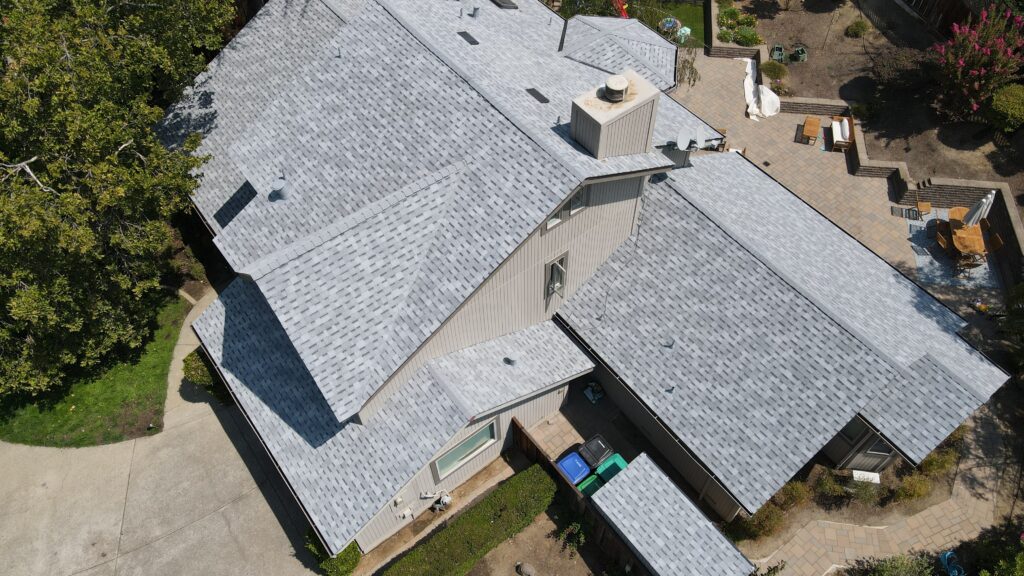
Key Takeaway
Fascia boards are the vertical trim running along your roof's lower edge, protecting exposed rafter ends from moisture, supporting your gutters, and sealing the eave against pests and water intrusion. This roof edge trim is a functional part of your roofing system, not decoration. Most fascia rot traces back to a water control problem, such as missing drip edge or clogged gutters, so fixing the board without fixing the water path will not last.
Most people don't learn the word "fascia" until a contractor points at their roof and says theirs is rotten. If that's you, take a breath. Fascia boards, the trim that protects your roof edge, are the long boards running along the lower edge of your roof. They finish the roofline, give your gutters something to attach to, and shield the exposed ends of your rafters from water and weather. They look like trim, but they're part of your roof edge system. Here's the thing worth knowing up front: rotten roof trim is usually a symptom, not the whole problem.
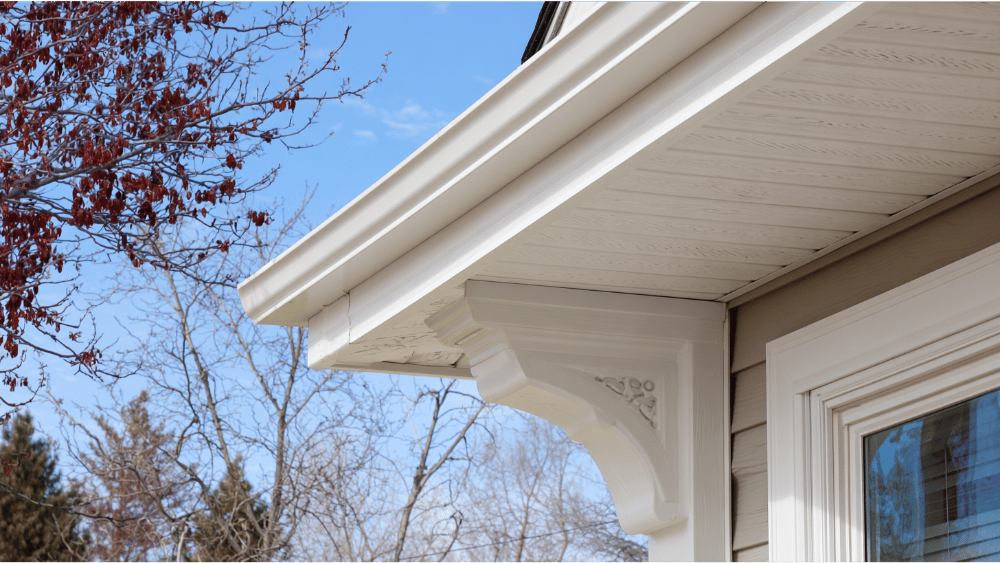
A fascia board is the vertical, visible board that runs along the lower edge of your roof, fastened to the ends of your roof rafters or trusses. It's the flat surface you see when you look up at the roofline from your yard. Most homeowners notice this piece of roof edge trim right behind their gutters, because that's exactly where it sits: the gutter system hangs off it. Fascia is a standard feature on nearly every home built since the 1950s, and it connects two things that matter a lot to your roofing system, the framing and the gutters. Common sizes run from around 1x6 up to 2x8 depending on the home.
Fascia earns its place. It's a working part of the roof, not decoration. Here's what this stretch of roof trim handles:
Curb appeal is a real bonus, since a clean fascia line makes the whole house look finished. That aesthetic appeal is the side benefit, though. The main job is protection from harsh weather and other elements.
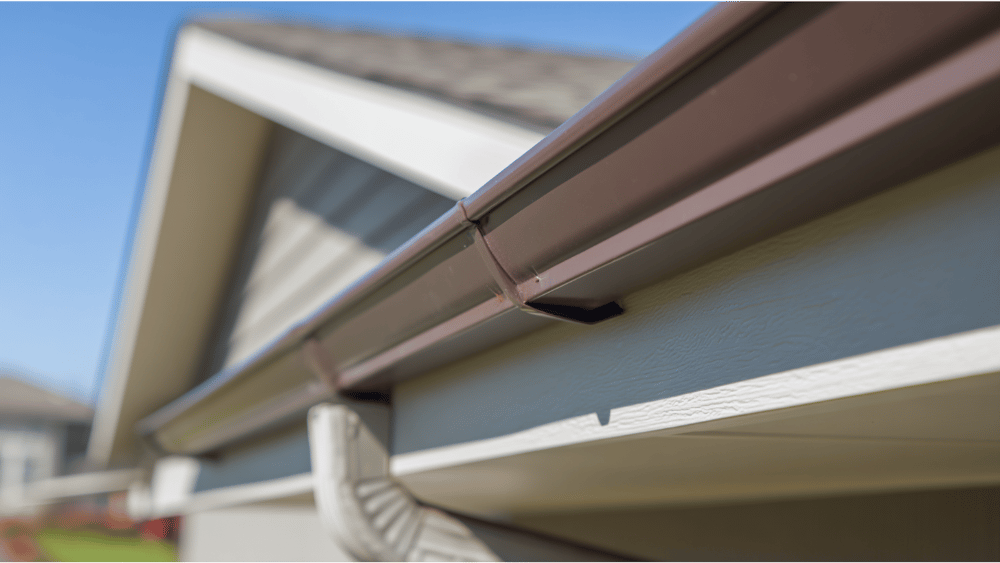
These terms get mixed up constantly. Here's the plain version of how the trim around your roof edges fits together:
| Part | Where it is | What it does |
|---|---|---|
| Fascia | Vertical board at the lower roof edge | Supports gutters, protects rafter ends |
| Soffit | Underside panel of the eave | Closes the gap, often aids attic ventilation |
| Eave | The overhanging roof edge itself | The whole overhang area where roof extends past the wall |
| Rake board | Trim along the sloped gable edge | Finishes the gable, sometimes called a bargeboard |
The rake board and the fascia are cousins. Both are roof edge trim, but the rake board runs up the slope while the fascia runs level along the eave. Together they frame the roof edges on every side, along the walls and up to the gable.
Fascia comes in a few roofing materials, and the right one depends on your home and your climate. Quick rundown of the tradeoffs between each material option:
There's no single "best" material for every house. If you want to know what makes sense for yours, our instant online estimate is a quick, no-pressure place to start.
Fascia frames the roofline the way a border frames a photo, and it does a lot for your home's exterior. Classic white fascia stays popular because it reads clean on almost any home and complements many architectural styles. Matching the trim to your siding creates a cohesive, intentional look across the whole exterior, and a black drip edge can visually thicken the roofline for a sharper edge. Aluminum fascia is a preferred choice here because it keeps its color and shrugs off weather, which is why it's such a low maintenance option for the exterior cladding around your roof. Aesthetics and protection go together in your exterior design, and the fascia is an essential component of both. Just remember which one comes first: function.
Fascia rarely fails on its own. It fails because water isn't being controlled at the roof edge, and the board takes the hit. Common causes:
Left alone, that damage doesn't stay cosmetic. It can move into structural framing and the roof deck, and let water into your attic. So the real question isn't "is the board bad?" It's "why did the board go bad?"
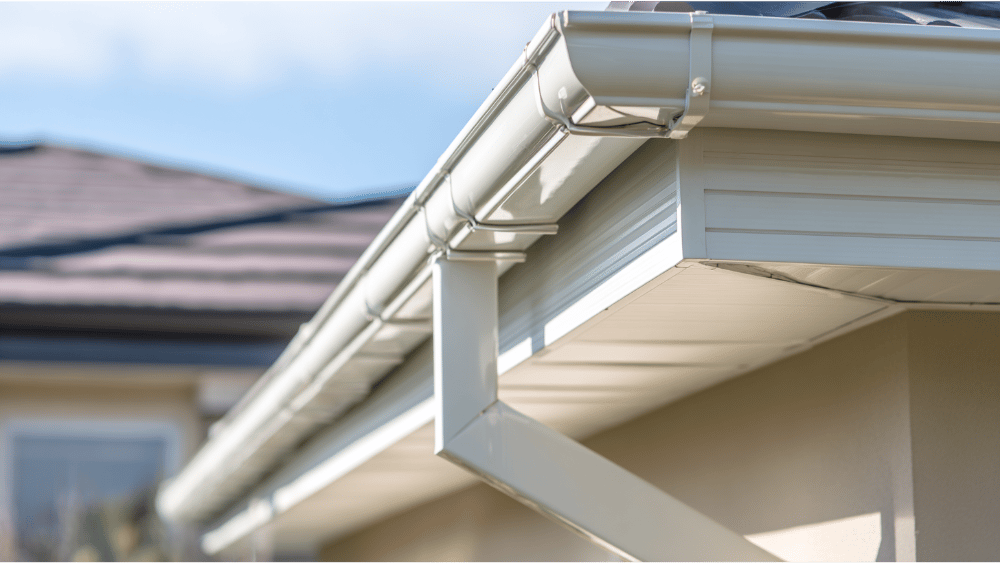
Drip edge is the piece most articles skip past, and it's the one that explains most fascia rot. Drip edge is metal flashing installed along the roof's perimeter. Its job is to direct water away from the fascia and into the gutter, instead of letting it curl back and soak the wood. Without proper installation of drip edge, water sneaks behind the gutter and sits against the trim. That's the exact recipe for rot along the vulnerable edges of the roof.
The installation sequence matters, and it's simpler than it sounds. At the eaves, the underlayment goes over the drip edge. At the rakes and gables, the drip edge goes over the underlayment. Get that backward and water finds its way in.
California reroof requirements, based on the current California Residential and Building Codes, call for drip edge at both eaves and rakes: overlapped at least 2 inches, extended about ¼ inch below the roof sheathing, run at least 2 inches up the deck, and fastened no more than 12 inches apart. That's not red tape. It's the spec that keeps water where it belongs and protects the roof trim behind it.
You can walk outside and check most of these along your roof edges yourself:
Once water reaches wood, the EPA recommends drying the area within 24 to 48 hours to help prevent mold. That's why a recurring roof-edge leak isn't something to sit on, and why regular maintenance pays off.

If you're worried about being upsold on fascia work, that's fair, and it's the right instinct. Here's how an honest decision actually gets made. Ask:
Patching a rotten board without fixing the water path just hides the problem. It'll be back. We'd rather show you why it failed than sell you a board.
Sometimes, yes. An isolated section of roof edge trim that's cosmetically damaged but structurally sound can be a standalone job. But it depends. The gutters usually have to come off, the drip edge may need to be removed and reinstalled, and the shingle edge and decking behind the board need a look. If the fascia failed because of a roof-edge problem, replacing the board alone just resets the clock on the same failure. The installation process needs to fix the water path, not just swap the material.
A roof replacement is the cleanest time to deal with fascia trim across the entire roof. The gutters and drip edge are already coming off, the eave is exposed, and the decking, rafter tails, starter courses, and ventilation can all be checked at once. Nothing's hidden. Where fascia meets siding, that junction can be inspected too, so water isn't sneaking behind the exterior cladding. At Symplify, everything at your roof edge gets photo-documented and explained step by step, so you're looking at real evidence, not a mystery line item on an invoice.
A few things matter here specifically:
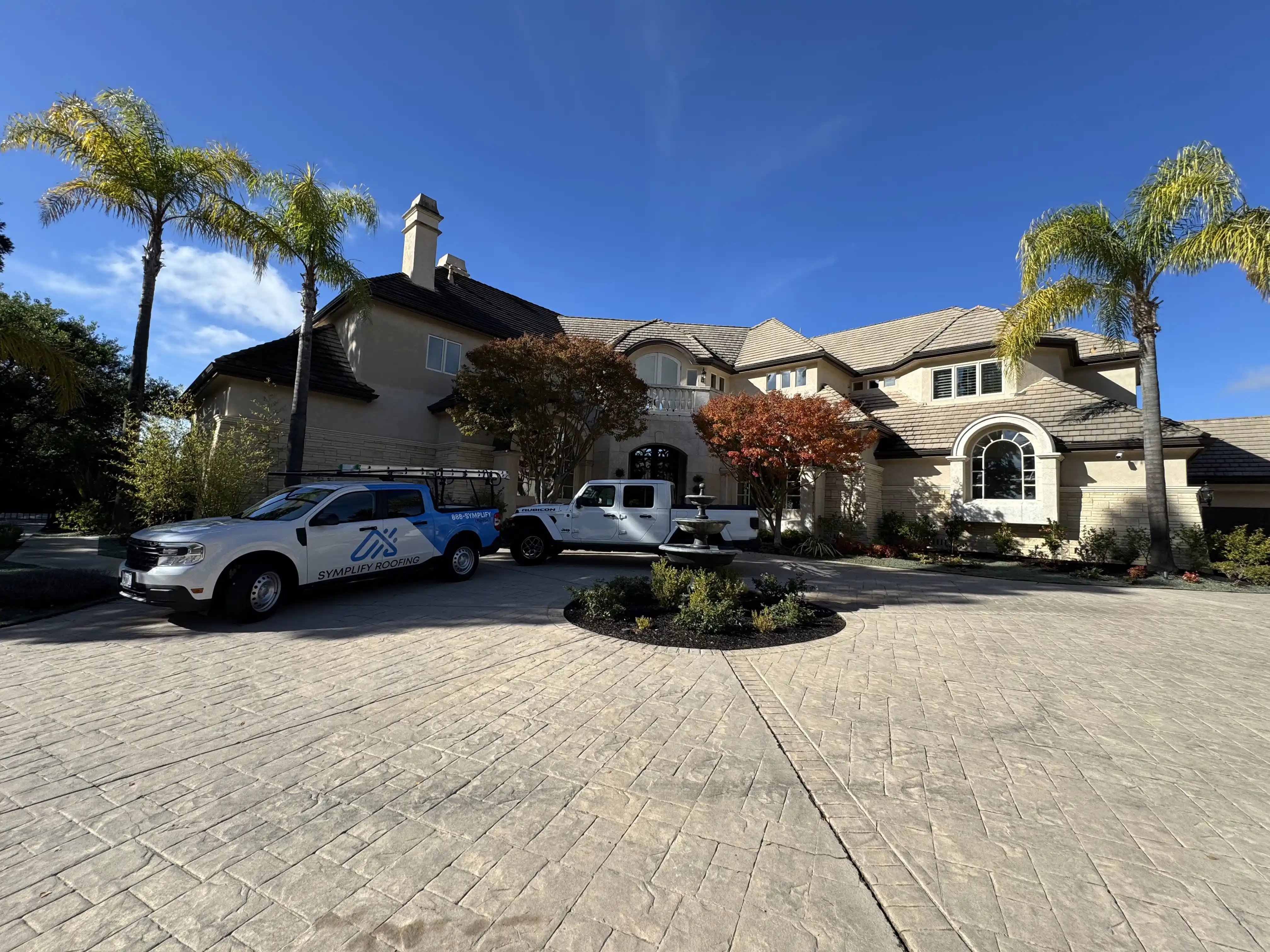
Our whole process is built to remove the guesswork from your roof edge. You start with an instant online estimate that's about 95% accurate, we confirm the details with a drone and satellite review, and you can handle the whole thing virtually if that's easier than taking time off work. Every stage gets photo-documented, and we keep you updated the whole way through. We're licensed and insured, CA CSLB #1108246, and as an Owens Corning Platinum Preferred Contractor, eligible roof replacements can carry a 50-year material warranty and a 25-year workmanship warranty.
If the board behind your gutters is looking rough, you don't have to guess what it means. Get an instant quote, request a virtual estimate, or call us at (415) 549-1588. Whatever's easiest for you.
It's part of the roof edge system. Fascia attaches to your rafter or truss ends and finishes the point where the roof meets the exterior wall. It looks like trim, but it does structural and water-management work, and it ties into the siding right where the exterior cladding stops.
Usually, yes. The fascia is the mounting surface most gutter systems hang from, which is why rotten fascia and sagging gutters so often show up together.
Yes, and it's one of the most important protections there is. Drip edge helps direct water into the gutter instead of behind it, keeping water off the roof trim. Missing or wrong drip edge is a leading cause of fascia rot, and it leaves the wood at risk.
Water that isn't controlled at the roof edge. Clogged gutters, water running behind the gutter, missing drip edge, damaged shingles, and poor ventilation are the usual culprits. The board is the symptom, the water path is the cause.
It depends on scope and jurisdiction. New roof covering work in Walnut Creek requires a permit and an in-progress inspection, but fascia-only repairs may fall under different rules. Check with your local building department before starting.
1 min read
Key Takeaway: A drip edge on a roof is a crucial component that prevents water infiltration by directing water away from the roof deck and fascia...
1 min read
ey Takeaway Flat roof repair starts by identifying the actual failure point: seams, flashings, penetrations, drains, ponding areas, or edge metal...
2 min read
As a Bay Area homeowner, you’re well aware of the importance of a sturdy and reliable roof, especially in the face of the region’s...