1 min read
Bay Area Roof Replacement Guide for 2026: Codes, Materials, Permits, and What to Expect
Key Takeaway A Bay Area roof replacement in 2026 requires permits reviewed under California's 2025 code cycle for applications filed on or after...
7 min read
Key Takeaway
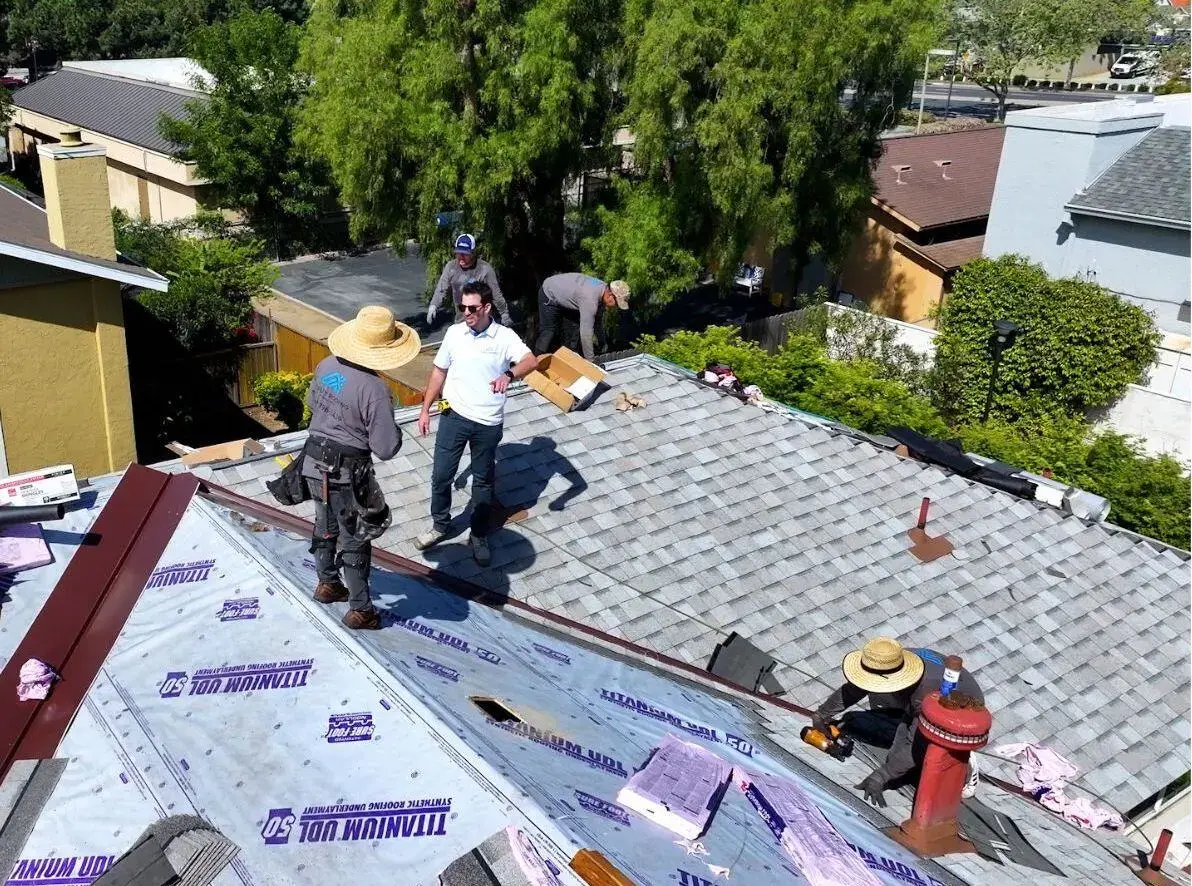
Roof underlayment is the protective layer installed between your roof deck and visible roof covering, acting as a secondary moisture barrier that sheds water before it reaches the wood below. Three main types exist: asphalt saturated felt, synthetic roofing underlayment, and self adhering ice and water shield. Each serves a different part of the roof based on slope, covering material, and vulnerability to water intrusion.
Roof estimates can feel confusing, and part of the reason is that the layers doing the most important work are the ones you never see. Roof underlayment is one of them. Here's the short version: roof underlayment is the protective layer installed between your roof deck and the visible roof covering. It acts as a secondary moisture barrier beneath the surface, shedding any water that slips past your shingles, tile, or metal panels before it can soak into the roof deck below. If you're weighing a full roof replacement and trying to make sense of the line items, this is a layer of your roofing system worth understanding, and it's a big part of why roof underlayment matters.
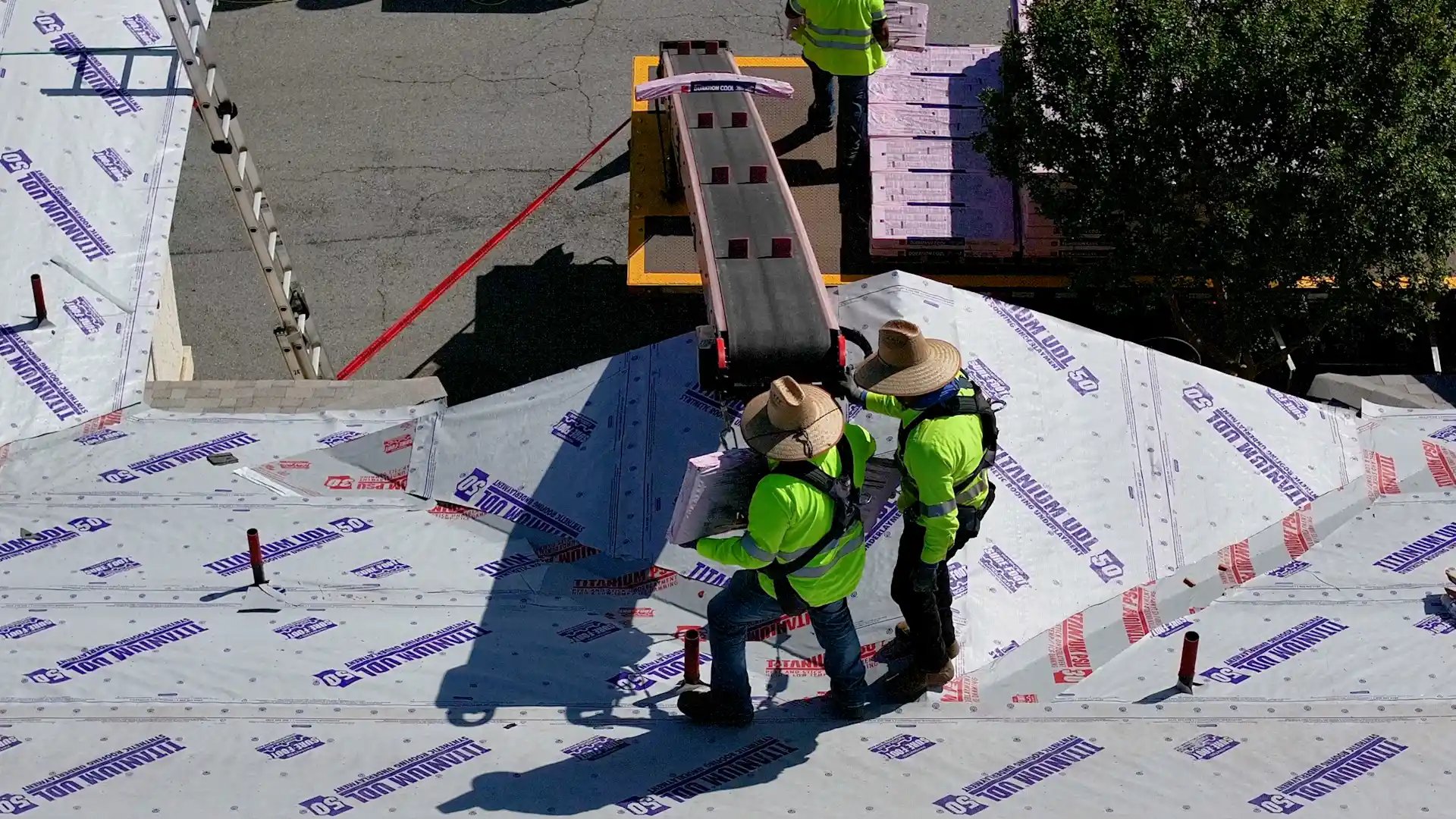
Your shingles, tile, or metal panels are the primary roofing material and your first line of defense against weather. Underlayment is the backup. When wind driven rain, a cracked shingle, or a flashing failure lets water through the surface, this is the part of the roofing system that catches it. Here's the honest breakdown of its jobs:
In short, a quality underlayment plays a role in both moisture protection and the roof's ability to keep your home dry over decades.
It's a backup, not a miracle. Most felt underlayment and synthetic products are water resistant, meaning they shed water, but they aren't a true waterproof seal. Underlayment also doesn't make up for a sloppy install. It won't replace proper flashing, drip edge, attic ventilation, or a roof slope designed to drain. And it should never be used to hide damaged decking. If the wood underneath is soft or rotted, it needs to be replaced, not covered.
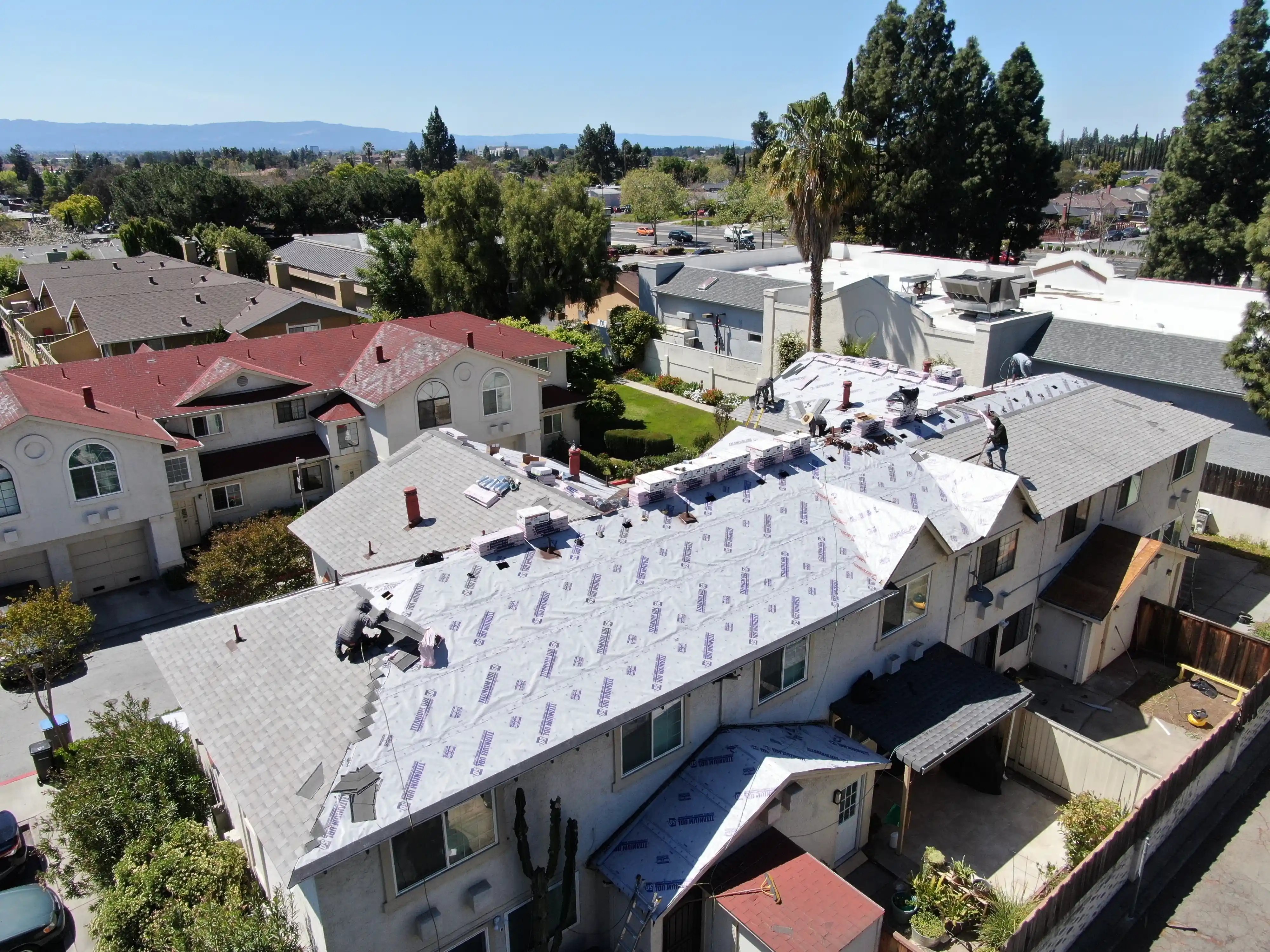
There are three main categories of roofing materials for this layer, and each has a place. Which one belongs on your roof (and where) depends on the roof covering, the slope, and the manufacturer's instructions.
| Type | Best use | Strengths | Watch-outs |
|---|---|---|---|
| Asphalt saturated felt (No. 15 / No. 30, ASTM D226 / D4869) | Traditional felt underlayment for shingle roofs on standard-slope decks | Familiar, water resistant, widely available | Organic felt can absorb moisture and is less tear-resistant than newer options |
| Synthetic roofing underlayment / polymeric (ASTM D8257) | Most modern shingle and metal roof installs | Lighter, more tear-resistant fiberglass mat construction, covers more per roll, tolerates weeks of exposure during install | Permeance varies by product, so don't assume it "breathes"; ask for the data sheet |
| Self adhering membrane / ice and water shield (ASTM D1970) | Vulnerable roof areas: eaves, valleys, penetrations, low-slope sections | Rubberized asphalt underlayment sticks to the roof deck and seals around roofing nail shanks for near-waterproof protection | Full-roof coverage restricts vapor movement and needs a ventilation review |
Synthetic underlayment's tear resistance and exposure tolerance are why many roofers reach for these synthetic alternatives first. Their superior tear resistance holds up to foot traffic and wind during install. The self adhering membrane is the specialist, saved for the spots that take the most abuse. Traditional asphalt saturated felt still has a role, especially where a manufacturer's system calls for it.
This trips up a lot of homeowners, so let's be clear. Traditional asphalt felt and most synthetic products are water resistant. They shed water and buy you time, but they aren't a sealed barrier. Self adhering membranes offer superior waterproofing, partly because the rubber polymers seal tightly around the nail shanks that pierce them. That adhesive backing is a real advantage in the wrong-weather zones of a roof, including protection against wind driven rain. The catch: covering an entire roof deck in self adhering membrane restricts air and vapor movement, and ARMA warns that moist indoor air can then condense under the membrane as trapped moisture and cause wood swelling or mold. That's why placement and attic ventilation get reviewed together, not separately. Choosing the right underlayment means matching the product to each part of the roof.
Self adhering membrane earns its keep in the spots where water sneaks in. These are the areas a careful roofing contractor reinforces:
A common rule of thumb for ice-dam protection is running the membrane from the eave edge to at least 24 inches inside the exterior wall line. Even where ice dams aren't a concern, those are the areas where a high quality underlayment and its extra water resistance are worth the upgrade for maximum protection.
Ice dams form when melting snow runs down and refreezes at the cold eave, backing water up under the shingles. Cold climates and their building codes require self adhering membrane at the eaves for exactly this reason. Here in the Bay Area, we don't get the hard freezes that create classic ice dams, so full ice-dam coverage is really a cold-climate issue tied to the local climate. But the same membrane still does heavy lifting for moisture protection at our valleys, penetrations, and eaves when a rude Bay Area winter rolls through.
%20(2).webp?width=1080&height=847&name=residential%20(1)%20(2).webp)
One answer doesn't fit every roof, and your roof design shapes the choice. A quick guide:
In every case, the manufacturer's installation instructions drive the choice, whether you're topping the deck with shingles or metal panels. We'll dig deeper into synthetic versus traditional felt underlayment in a separate guide.
California treats the roof as one of the most vulnerable parts of a home, which is why CAL FIRE notes the state requires roof coverings and assemblies to be Class A-rated. Underlayment can be part of that tested assembly, so it helps to think about the whole roofing system rather than just the shingles. Walnut Creek has adopted the 2025 California Building Code and requires a re-roof permit plus an in-progress inspection during installation. Local building codes change, and depending on where your property sits, WUI product listings from the state fire marshal's office may also apply. Verify the current requirements with the local building department. And before you sign with anyone, confirm your roofing contractor holds a valid California C-39 roofing license using the CSLB's license-check tool.
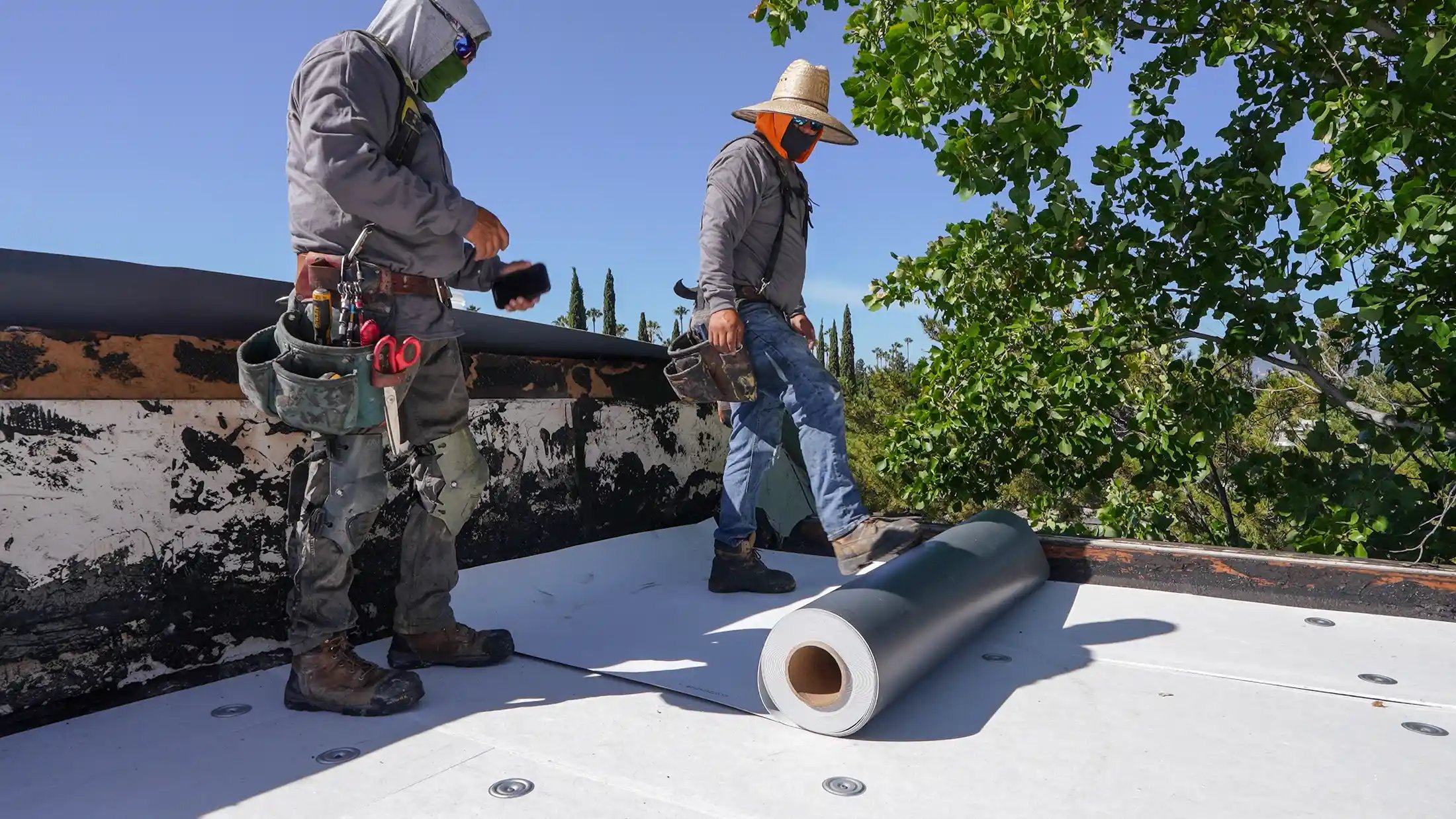
This is where most roofing content goes quiet, and it's the part that protects you. A transparent estimate for your roofing project should name the hidden layer clearly, not bury it under "materials." Look for:
Proper installation runs bottom-up, with correct laps and sealed penetrations, so the underlayment acts as one continuous shield and a true waterproof seal against water infiltration. Done right, underlayment significantly reduces the risk of leaks. The right roofer will explain all of this before you sign, not after.
You usually can't see underlayment directly, but the roof gives hints. Because most roofing materials rely on this layer for reliable protection, watch for:
A regular inspection catches most of this early, before a small failure and lost moisture resistance turn into a rotted deck.
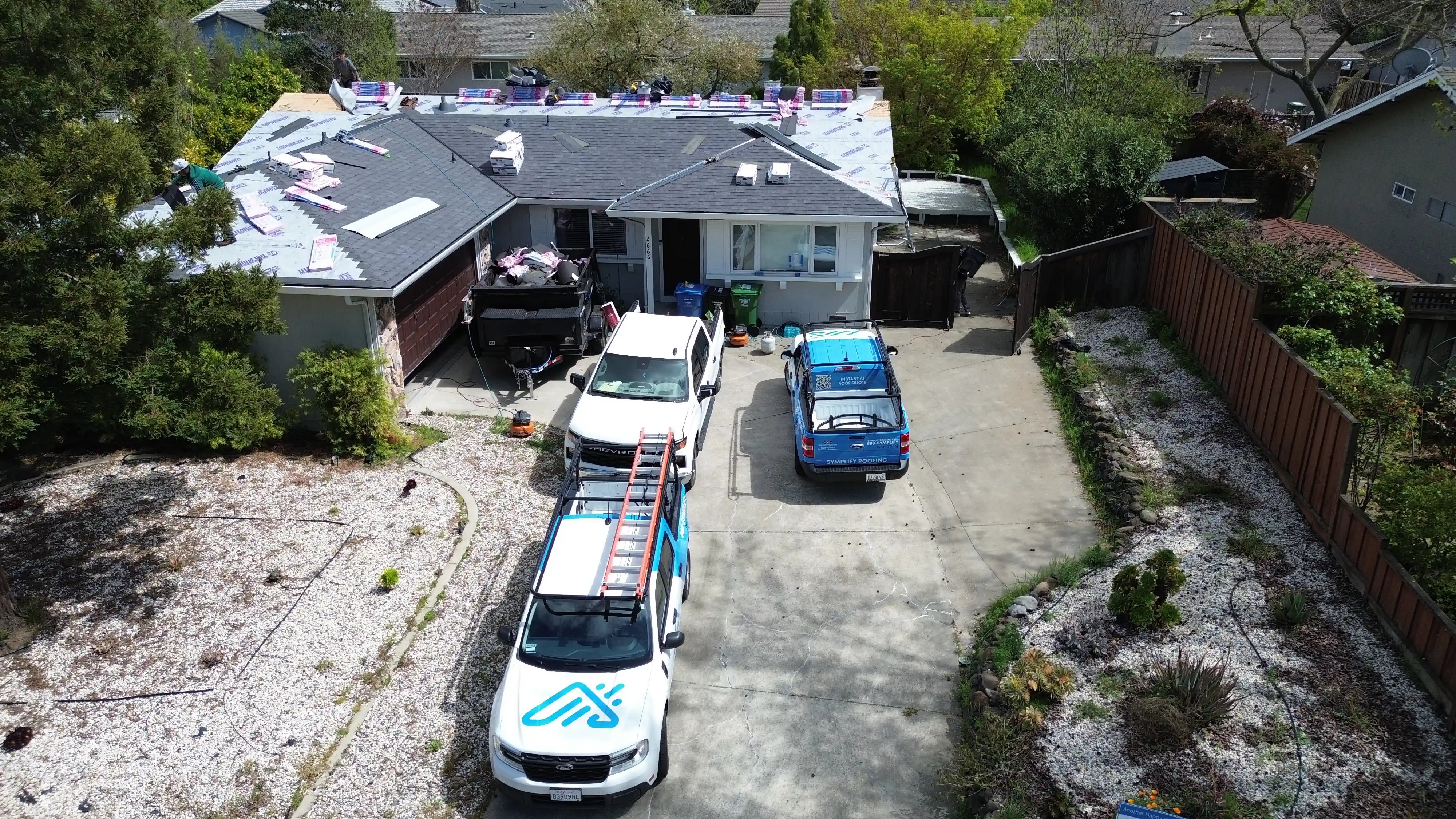
Usually not easily. Underlayment sits under the roof covering, so reaching it means removing shingles or metal panels. A localized flashing or penetration repair can solve an isolated problem, but widespread underlayment failure tends to become a roof replacement conversation. The honest move is to get an inspection first, before assuming the worst or the most expensive.
Underlayment is exactly the kind of hidden component that makes homeowners nervous. Too often homeowners focus on the shingles they can see and skip the layer that keeps the deck dry, so our process is built to make the invisible parts of your roofing project easy to understand. It starts with an instant online estimate, backed by a drone and satellite review of your roof, and a virtual consultation if that's more convenient for you. During the work, we photo-document the roof replacement so you can see the deck, underlayment, valleys, and penetrations before anything gets covered, with step-by-step communication the whole way. This is the kind of transparency the roofing industry rarely offers. As an Owens Corning Platinum Preferred Contractor, we can offer a 50-year material warranty and 25-year workmanship warranty, and we're fully licensed under CA CSLB #1108246. Get an instant quote or call us at 415-463-3147 whenever you're ready.
It's the protective layer installed between the wood roof deck and the visible roof covering. It acts as a secondary moisture barrier, catching any water that gets past your shingles or metal panels before it reaches the deck.
Synthetic products are generally lighter, more tear-resistant, and tolerate weeks of sun exposure during installation, which is why many roofers prefer them for budget conscious projects and premium jobs alike. Traditional materials like felt still perform well when installed correctly. The right underlayment depends on your roof covering and the manufacturer's instructions.
Ice and water shield is a type of underlayment, specifically a self adhering membrane made with rubberized asphalt that sticks to the deck and seals around nails. It's typically used at vulnerable areas like eaves, valleys, and penetrations rather than across the entire roof.
It varies by product. Many synthetic underlayments tolerate several weeks or even a few months of exposure, while asphalt saturated felt is meant to be covered quickly. Always follow the specific product's data sheet, since exposure limits differ.
1 min read
Key Takeaway A Bay Area roof replacement in 2026 requires permits reviewed under California's 2025 code cycle for applications filed on or after...
1 min read
Takeaway Roof coatings, including silicone and acrylic elastomeric types, can extend flat roof life by roughly 10 to 20 years, but only when the...
1 min read
Replacing a roof is a substantial investment for most homeowners, and the warranty plays a major role in protecting that investment. When planning a ...