1 min read
What is a Drip Edge on a Roof?
Key Takeaway: A drip edge on a roof is a crucial component that prevents water infiltration by directing water away from the roof deck and fascia...
5 min read
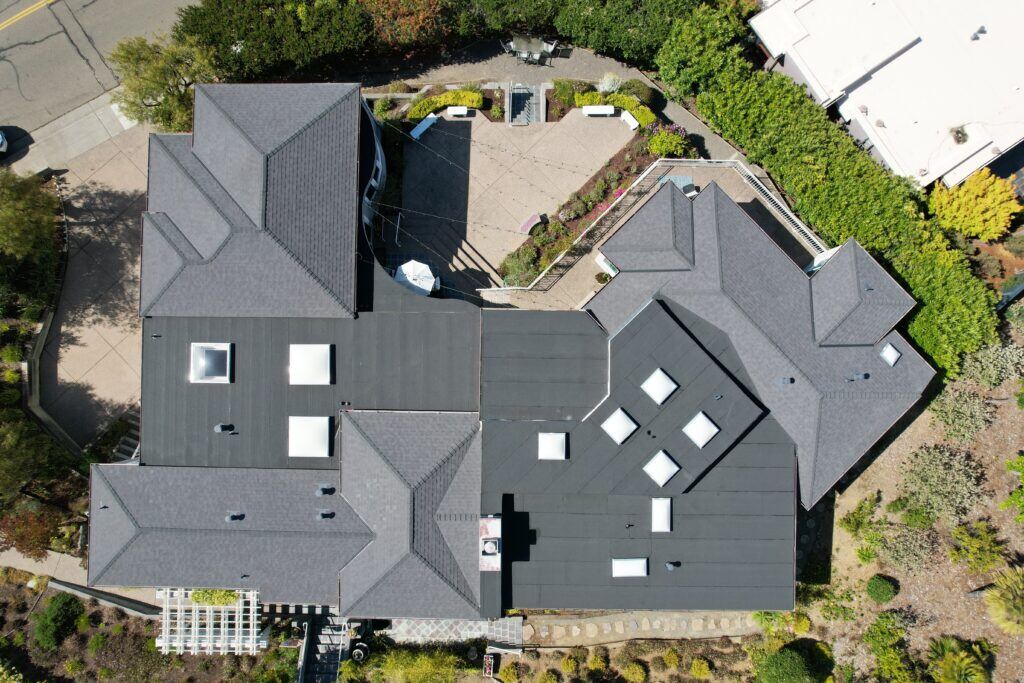
Eliminate roof rats by modifying their habitats, sealing entry points, and using traps effectively. Understand the impact of climate change on rat behavior and adhere to local regulations for pest control.

Roof rats, known for their scaly tails and large ears, have a life cycle that involves rapid reproduction, making them a persistent pest. Adults measure around 13 to 18 inches, including their tail, and can produce up to six litters a year. Understanding their life cycle is crucial for effective control, as it helps in predicting and reducing their population growth. Roof rats live in nests typically found in high places like attics or hollow trees, which makes them a unique challenge compared to other rat species.
Roof rats cause significant property damage by gnawing on electrical wires, leading to potential fire hazards, and creating entry points through roofs and walls. Their nesting habits can lead to costly damage, as they often shred insulation and gnaw on wooden structures, weakening the structural integrity of homes. Regular roof inspections can help identify signs of roof rat activity, such as gnaw marks and roof rat nests, before extensive damage occurs.
Detecting a roof rat infestation early can save homeowners from severe damage. Key indicators include the presence of droppings, gnaw marks on wood and electrical wires, and greasy rub marks along walls and baseboards. Roof rats are nocturnal, so listening for scurrying sounds at night can also be a sign of their presence. Additionally, roof rat activity often increases near fruit and nut trees or where pet food is left uncovered, attracting these pests.
Roof rats exploit entry points such as gaps in eaves, vents, and roof junctions. They are adept climbers, often using tree branches, vine-covered fences, and overhead utility lines to access roofs. Sealing entry points with materials like steel wool and metal flashing is essential to prevent their entry. Regularly inspecting and maintaining these potential access points can significantly reduce the risk of a rodent infestation.

Modifying the environment around your home is an effective way to deter roof rats. Trim trees and severe pruning of any overhanging tree limbs prevent easy access to roofs. Remove fallen fruit and secure garbage bins to eliminate food sources. Ensuring that leaky faucets are fixed also helps in reducing water sources that attract rats. By making your property less inviting, you can significantly curb rat populations.
Exclusion is a critical component in controlling roof rats. Seal entry points with durable materials, like metal flashing and steel wool, to block their access. Use rubber gloves when handling these materials to protect yourself from contamination. Implementing exclusion techniques not only helps control rats but also maintains the long-term integrity of your roofing system. Regular maintenance and inspection play a vital role in this preventive strategy.
Quick Tip: Regularly inspect your roof for gaps or holes and seal them immediately using durable materials like metal flashing to prevent roof rat entry.
For effective control of roof rats, selecting the right traps and baits is crucial. Snap traps are preferred due to their immediate effect and humaneness. Place these traps along walls or near entry points where roof rat activity is most evident. Bait stations, when used correctly, can also be effective; however, they require careful placement and monitoring to prevent non-target animals from accessing the bait.
When setting traps or handling baits, safety should be a priority. Always wear rubber gloves to protect yourself from disease and contamination. Ensure traps are placed in areas inaccessible to children and pets. Additionally, compliance with local regulations regarding pest control methods is essential to avoid legal issues. By prioritizing safety, homeowners can effectively manage roof rat infestations without risking harm to themselves or their families.

Integrated Pest Management (IPM) is a holistic approach that combines multiple strategies to control pests efficiently. It involves habitat modification, exclusion techniques, physical traps, and chemical controls, used judiciously to minimize environmental impact. For roof rat control, IPM emphasizes regular roof inspections and maintenance to prevent infestations and reduce reliance on chemical treatments.
Implementing IPM for roof rats offers long-term benefits by focusing on sustainable control methods. It reduces the likelihood of re-infestation and minimizes the use of harmful chemicals, protecting both the environment and human health. By integrating IPM with regular roof inspections, homeowners can maintain a healthy and safe living environment while safeguarding their property's structural integrity.
Climate change has influenced the habitat patterns of roof rats, causing shifts in their distribution and behavior. Warmer temperatures and increased urbanization have expanded their range, leading to higher roof rat populations in areas like Walnut Creek, CA. These changes necessitate adaptations in pest control strategies to effectively manage the growing threat of roof rat infestations.
As roof rat populations shift due to climate change, pest control strategies must adapt accordingly. This includes adjusting baiting and trapping techniques to align with their altered behaviors and habitats. Employing a combination of IPM and innovative pest control technologies can help homeowners stay ahead of these changes, ensuring effective and sustainable rat management.
Quick Tip: Monitor climate patterns in your area and adjust pest control strategies accordingly to effectively address shifts in roof rat behavior.

It's essential for homeowners to understand local regulations regarding roof rat removal. Some areas may have restrictions on certain pest control methods or require permits for using chemical treatments. Familiarizing yourself with these regulations ensures compliance and prevents potential legal issues. Consulting with local pest control experts can provide valuable guidance on navigating these requirements effectively.
In some regions, obtaining permits for specific pest control measures is mandatory. This includes the use of certain baits or traps that may impact local wildlife. Ensuring that all necessary permits are acquired before initiating control measures protects homeowners from legal repercussions and promotes responsible pest management practices.
Advancements in pest control technology offer new solutions for managing roof rats effectively. From ultrasonic repellents to smart traps that provide real-time monitoring, these tools offer homeowners enhanced control over infestations. Leveraging these technologies can simplify the pest management process and improve outcomes in residential settings.
The effectiveness of emerging pest control technologies in residential settings depends on proper implementation and integration with traditional methods. Combining these innovative tools with established strategies, such as habitat modification and exclusion techniques, ensures comprehensive control. Homeowners can achieve optimal results by staying informed about the latest developments in pest management technology.

Post-infestation, assessing roof damage is crucial to determine necessary repairs and prevent future issues. Look for signs of gnawing, nesting sites, and water damage caused by roof rat activity. Engaging a professional roofing inspection can provide a comprehensive assessment and ensure all damage is identified and addressed promptly, maintaining the roof's integrity.
Roof rats often damage gutters, leading to water accumulation and potential structural damage. Inspect gutters for signs of wear and tear, and consider replacement if necessary. Ensuring proper drainage through regular maintenance and repair protects your roof and prevents future infestations by eliminating potential nesting areas.
Quick Tip: Schedule regular roofing inspections to promptly address any damage caused by roof rats and prevent future infestations.
Partnering with professionals for roof inspections provides homeowners with expert insights into their roof's condition and helps identify potential issues early. Regular inspections by experienced professionals ensure that all entry points and damage are addressed, maintaining the roof's longevity and preventing costly repairs in the future.
Selecting the right pest control partner is crucial for effective roof rat management. Look for professionals with experience in residential settings and a commitment to using environmentally friendly methods. A reliable partner will provide a comprehensive plan tailored to your home's specific needs, ensuring long-term pest control success.
1 min read
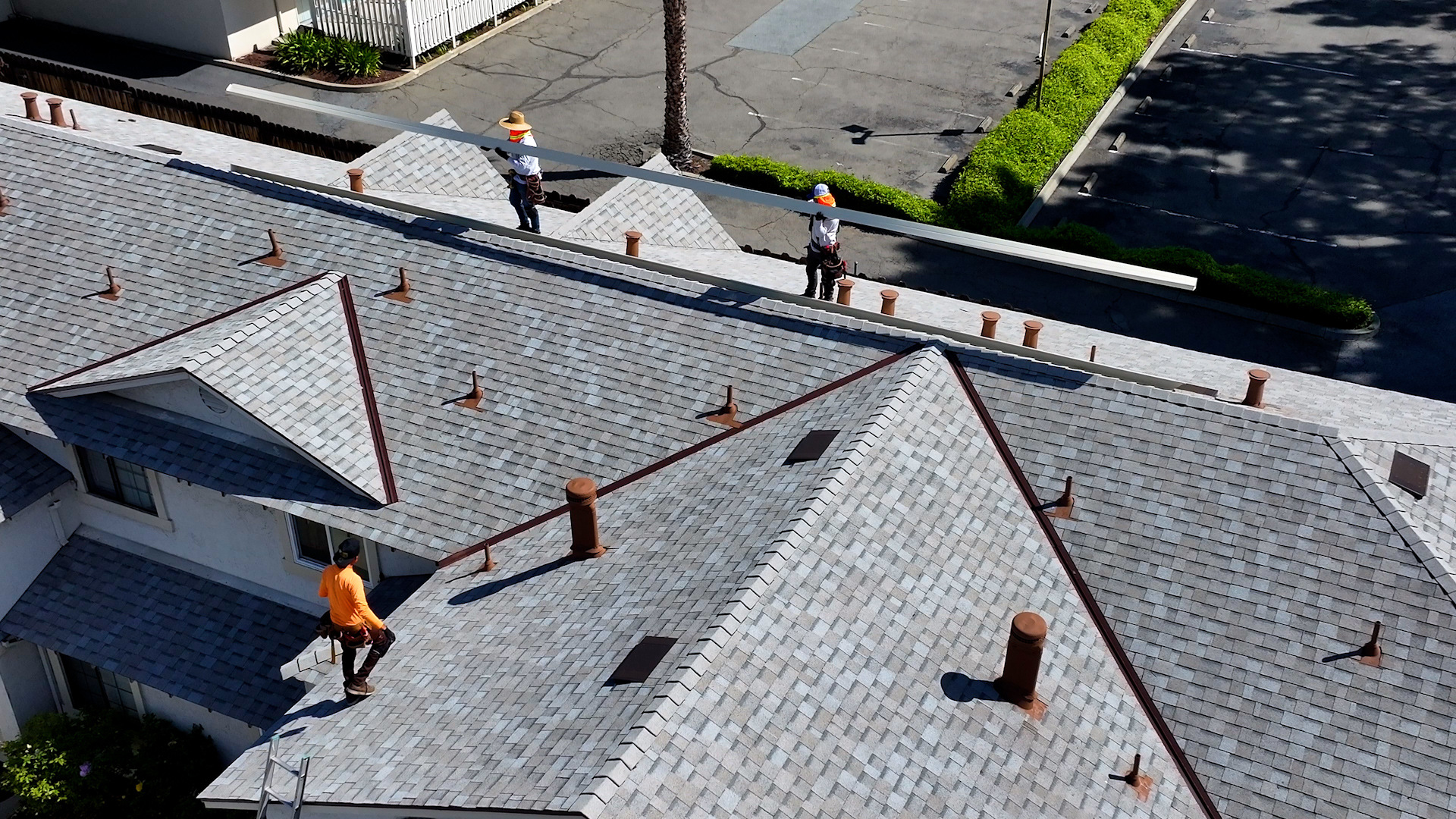
Key Takeaway: A drip edge on a roof is a crucial component that prevents water infiltration by directing water away from the roof deck and fascia...
1 min read
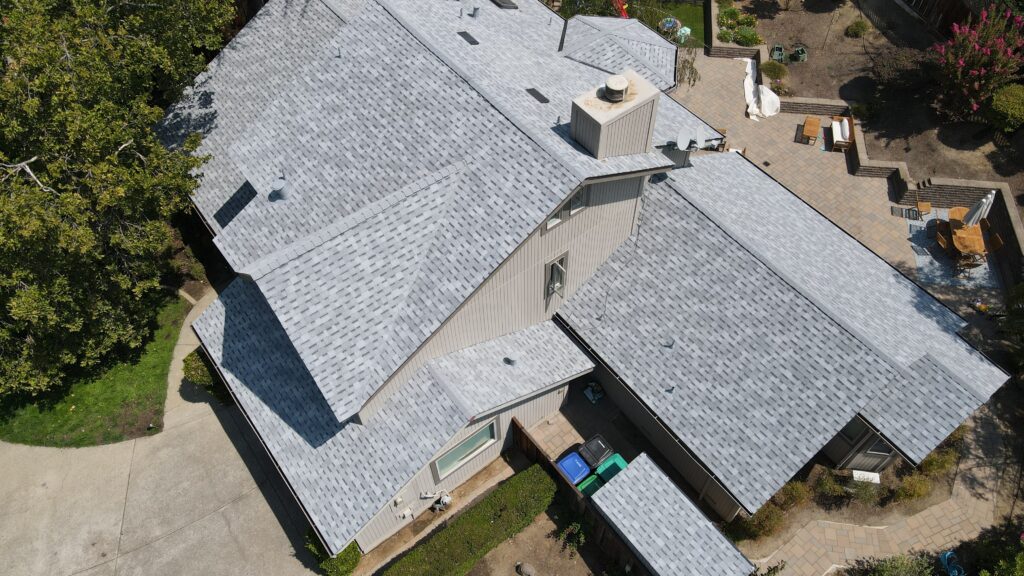
Key Takeaway: Shingle roofs typically last 20 to 30 years, but factors like material quality, installation, and maintenance significantly affect...
1 min read
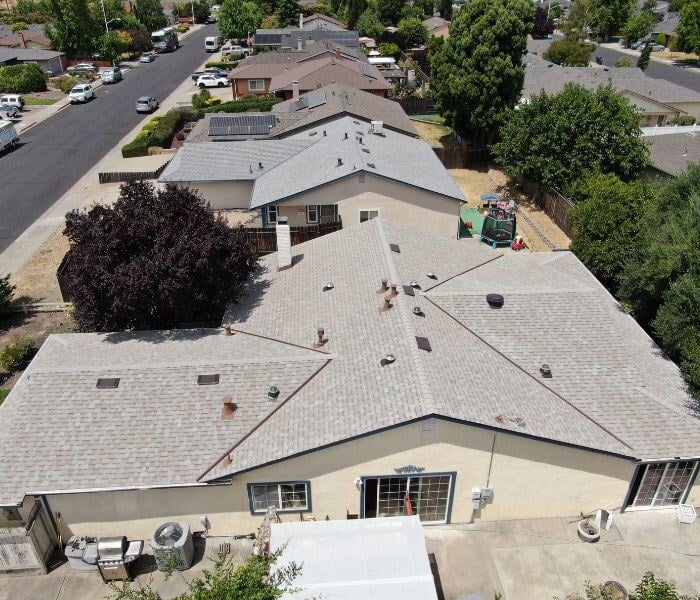
AI Overview: The average asphalt roof lasts 20–30 years, but factors like shingle quality, installation standards, and local climate in Walnut Creek...