1 min read
Types of Roof Vents: A Homeowner's Field Guide
Key Takeaway The main types of roof vents divide into two groups: intake vents (soffit, eave, and roof-mounted) that pull cool air in low, and...
5 min read

If you are planning to replace your roof, one of the first and most important questions is how long does it take to replace a roof. Most homeowners want to know how disruptive the roofing work will be, how many days crews will be on site, and how quickly life can return to normal. The truth is that most roof replacements move faster than people expect, but the exact timeline depends on many factors. Roof size, roof design, roofing materials, weather conditions, and the condition of the old roof all play a role.
For the average residence, a complete replacement is often finished in one to two days of active installation. However, the full roof replacement project can span a few weeks from inspection to final cleanup when you factor in prep work, material delivery, scheduling, and inspections. This guide walks through the full roof replacement timeline so you can understand what affects the schedule and what to expect when you replace a roof.

So how long does it take to replace a roof in most situations? For average sized homes with asphalt shingles, installation time is usually one to two days. Most roof replacements fall into this range when the roof is straightforward, the roof deck is in good condition, and the weather cooperates.
Smaller homes with easy access and a simple roof line can sometimes be completed in a single day. Larger homes, homes with steep slopes, or properties with complex roof lines may take a bit longer, often two to three days. While the question of how long does it take seems simple, the answer always depends on the details of the roof itself.
Before any shingles are removed, a detailed inspection is performed. This step evaluates the roof size, square footage, roof's pitch, ventilation, flashing, and the condition of the existing materials. The inspection also looks for signs of roof repair that may be needed once the old roof is removed. Accurate measurements and planning at this stage help prevent surprises during the roof replacement process.
Once the inspection is complete, homeowners choose their roofing materials. Asphalt shingles are the most common roofing material for residential homes because they install quickly and offer strong value. Architectural shingles, premium material options, metal roofing, concrete tiles, wood shakes, and other roofing materials are also available, though they often take longer to install.
Material availability affects the start date. Standard asphalt shingles are usually in stock, while specialty colors or new roofing material selections may require additional lead time.
Permits are required in many areas for a complete replacement. A reputable roofing contractor handles this process, but permit approval and scheduling can add days or even a few weeks before work begins. This part of the timeline is outside the contractor's control but is an important part of replacing a roof properly.

The first day typically starts with tear off of the old materials. The roofing crew protects landscaping, sets up safety equipment, and removes old shingles and underlayment. Once the old roof is removed, the roof deck is fully exposed and inspected.
If damaged plywood or soft spots are found, repairs are completed before moving forward. Addressing these issues is critical for the performance of the new roof and can add time, but it prevents future problems.
After any necessary deck repairs, underlayment is installed. This includes ice and water barriers, synthetic felt, and starter strips. These layers protect the roof from moisture and help the shingles perform as designed. Proper prep work keeps the roof replacement process running smoothly and supports long-term durability.
Shingles are installed according to manufacturer requirements. Asphalt shingles go on quickly when installed by a professional crew, while metal roofing, concrete tiles, or flat roof systems require more precision and time. Flashing is installed around chimneys, vents, valleys, and edges to seal vulnerable areas.
Once installation is complete, debris removal takes place. Nails and old materials are collected, and a magnetic sweep is performed around the home. Final inspections ensure the roof meets quality standards before the job is signed off.
Roof size has a big difference on timing. Larger roofs require more materials, more labor, and more time. A larger square footage almost always means a longer installation.
Steep slopes slow down installation because of safety requirements. Roofs with dormers, skylights, chimneys, or multiple angles along the roof line are more time consuming than simple designs.
Homes with multiple layers of old materials take longer to replace. Each layer must be removed carefully before new materials can be installed.
If the roof deck has water damage or rot, repairs are necessary. These repairs add time but are essential for a complete replacement.
Weather plays a major role in roofing work. Rain, high winds, extreme weather, and inclement weather can delay installation for safety reasons. Even when weather cooperates, seasonal conditions affect how quickly materials can be installed.
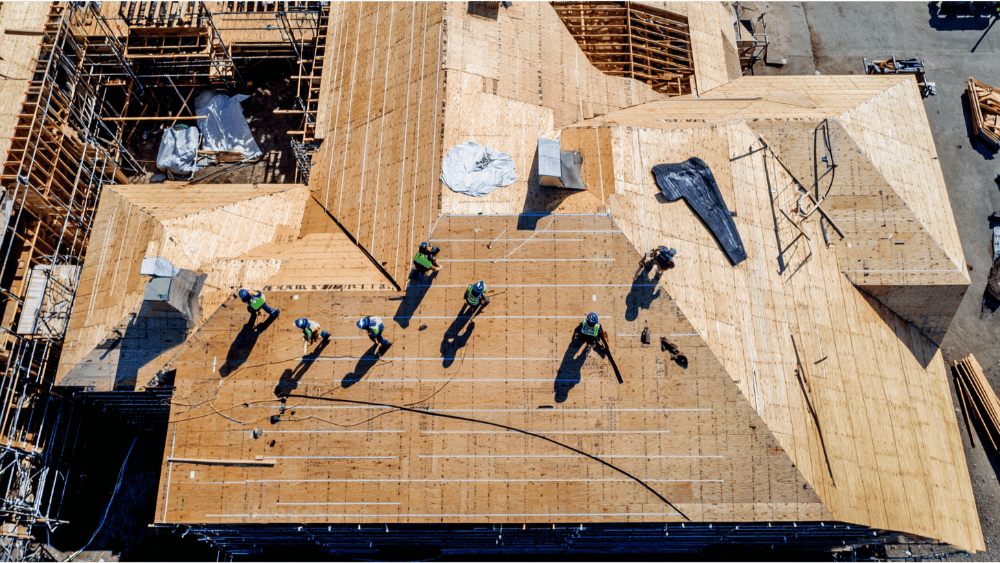
Asphalt shingles are the most common roofing material for residential homes. They are lightweight, efficient to install, and ideal for most roofs. Most asphalt shingle roof projects are completed in one to two days.
Concrete tiles and clay tiles are heavier and require careful handling. These systems take longer to install and often extend the roof replacement timeline beyond what most homeowners expect.
Metal roofing systems take longer than asphalt shingles due to precise panel alignment and fastening. Metal roofing often adds an extra day or two depending on roof size.
A flat roof uses layered systems that may require drying or curing time. Flat roof installations can take longer depending on materials and weather.
Wood shakes and other materials require specialized installation techniques and typically increase the overall timeline.
Most homeowners stay home during roof replacement. The noise from tear off and installation can be loud, but it is generally safe. Some homeowners choose to leave during the loudest part of the day, especially if they work from home or have pets.

Cleanup usually happens the same day the install is completed. Inspections are performed to ensure proper installation, and warranty paperwork is finalized. This step ensures the new roof meets both manufacturer and workmanship standards.
While installation may take only a few days, the full roof replacement project often spans a few weeks from start date to completion. This includes inspection, permits, material ordering, installation, and final approval. Planning for this full window helps homeowners avoid stress.

Homes with extensive damage, complex designs, or specialty materials often take longer. Older homes and roofs that require significant roof repair before installation also extend the timeline.
Working with a reputable roofing contractor who specializes in residential projects helps avoid delays. Experienced roofing companies plan efficiently and staff projects appropriately.
Roofing work moves fastest during optimal conditions. Spring and fall typically provide stable weather, while winter months can slow progress.
Clearing the driveway, ensuring easy access to a paved surface, and preparing the home before the crew arrives allows work to move quickly.

A professional crew follows a proven process. Most roofers who focus on residential work complete projects efficiently without cutting corners. Professional installation reduces mistakes, avoids rework, and protects your investment.
Small homes with asphalt shingles can often be completed in one day if no repairs are needed.
Yes, many average homes are finished in one day under optimal conditions.
Weather, damaged decking, and material delays are the most common causes.
Insurance approval can delay the start date but rarely affects installation time.
A properly installed roof is water resistant immediately, even if rain occurs the same day.

So how long does it take to replace a roof? For most roofs, the answer is one to two days of installation, with a total project timeline that may span a few weeks. While many factors affect timing, choosing the right roofing contractor and understanding the process makes the experience straightforward. When you replace your roof with a professional team, you gain peace of mind, a durable new roof, and confidence that the job was done right.
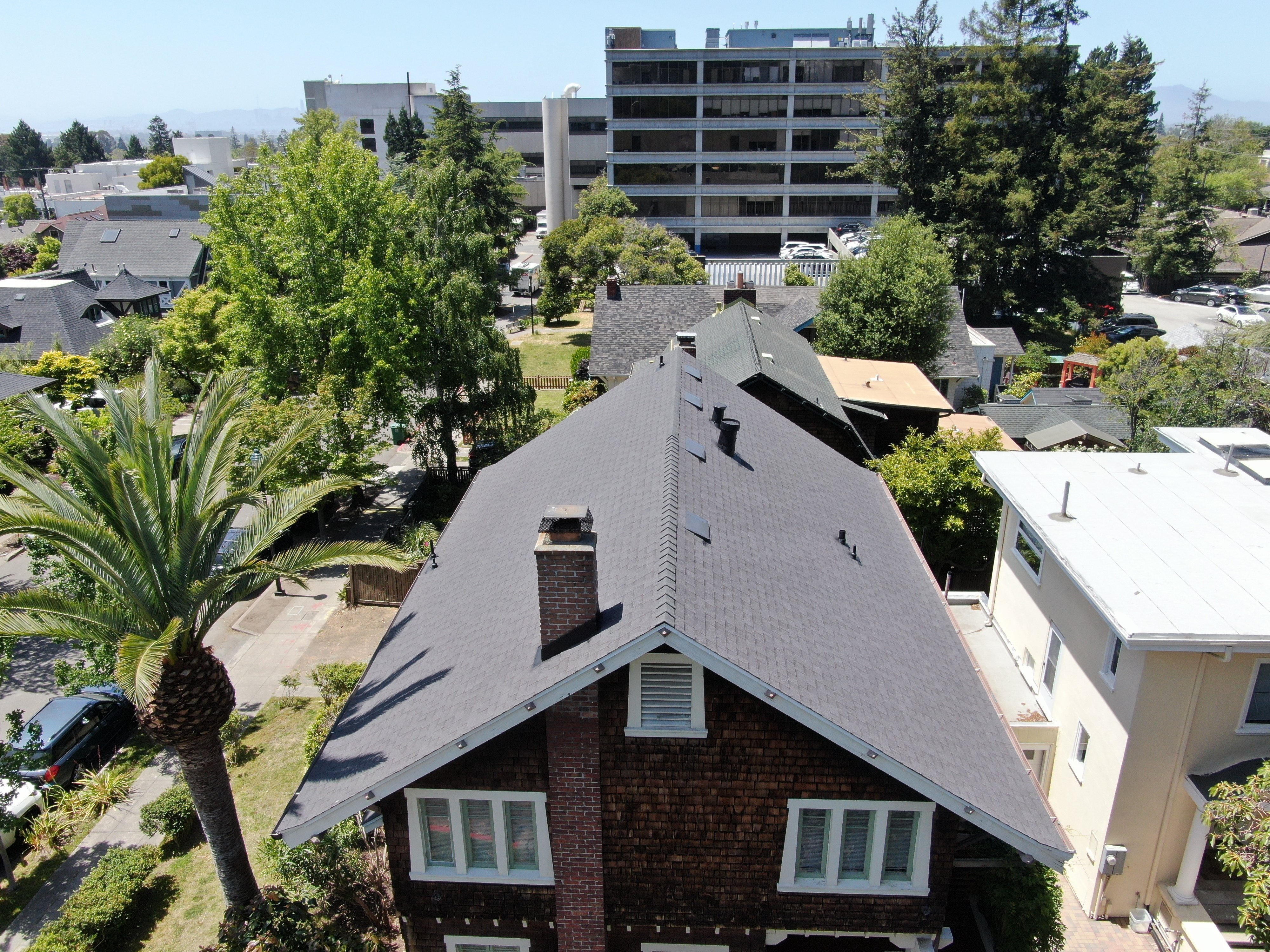
1 min read
Key Takeaway The main types of roof vents divide into two groups: intake vents (soffit, eave, and roof-mounted) that pull cool air in low, and...
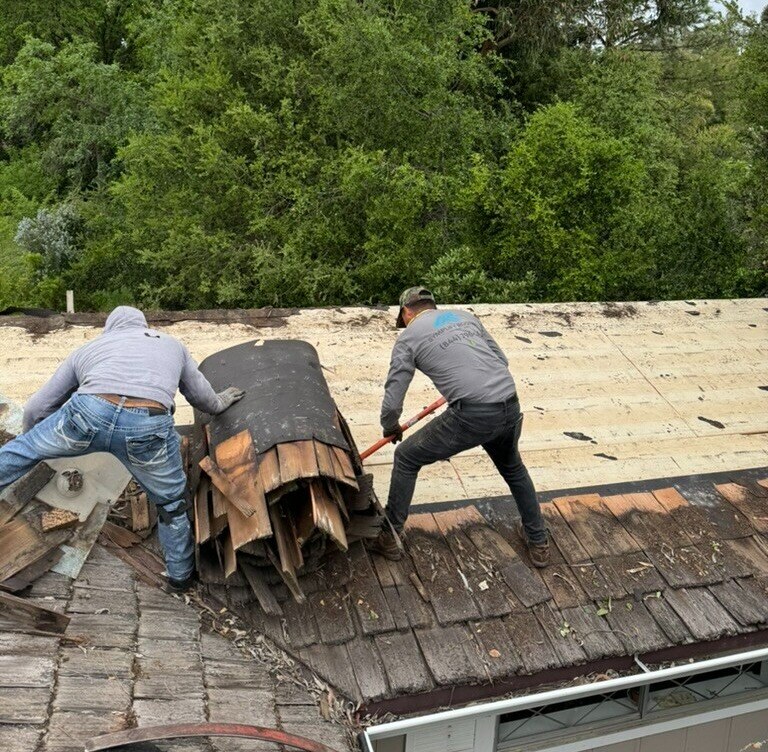
1 min read
AI Overview: To measure roof slope, use a level and tape measure to determine the vertical rise over a 12-inch run, then convert that measurement...
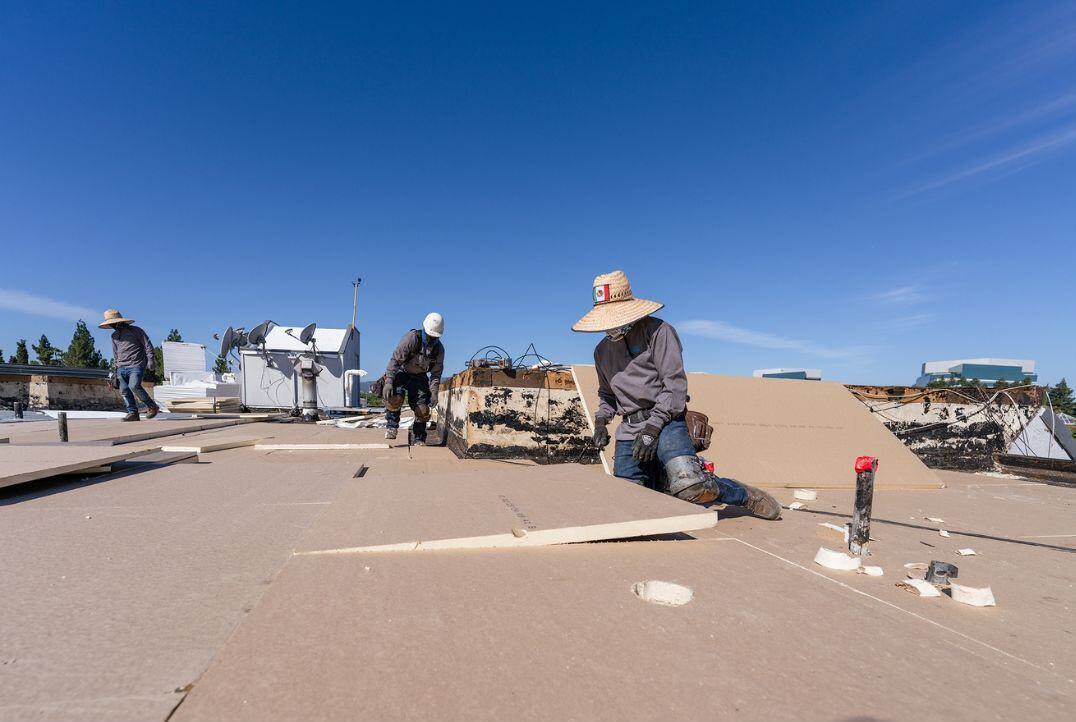
1 min read
AI Overview: A roofing square is a standard measurement in the roofing industry, equal to 100 square feet. Knowing how big a roofing square is...