1 min read
How Can a Roofer Accurately Find the Source of a Roof Leak
Quick Summary Roof leaks are one of the most frustrating problems homeowners face. The visible damage inside your home is rarely where the problem...
6 min read
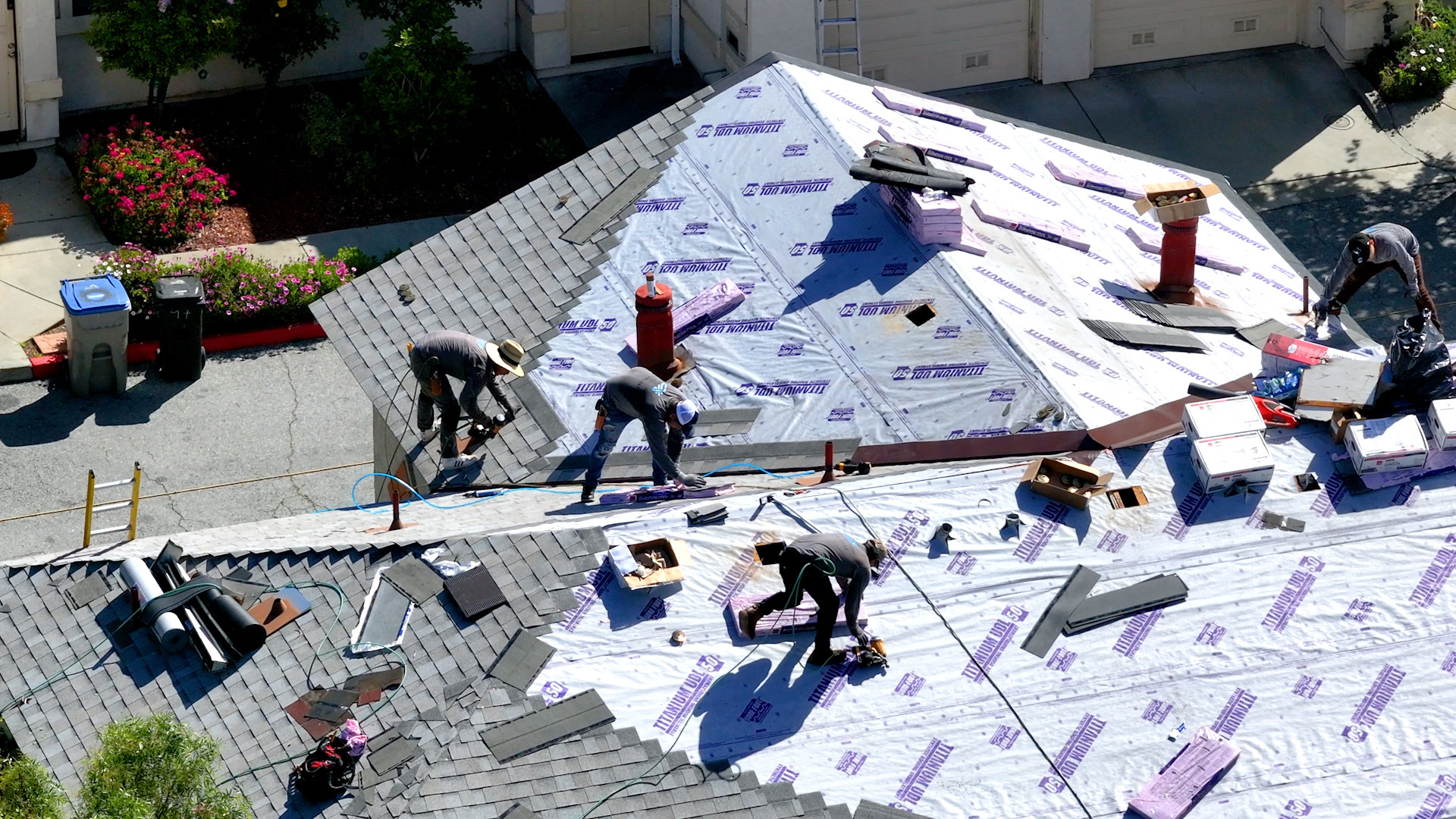
Many homeowners ask the same important question, how do I prevent future roof leaks before they turn into costly problems. A roof is one of the most critical parts of your home’s structure, yet it is often overlooked until something goes wrong. Roof leaks rarely appear out of nowhere. In most cases, they develop slowly due to aging materials, weather conditions, or missed maintenance. When a leak is left untreated, it can lead to water damage, mold growth, and even structural damage inside the home. This article explains how to prevent roof leaks, protect your roof long term, and avoid future issues that can disrupt your home and budget.
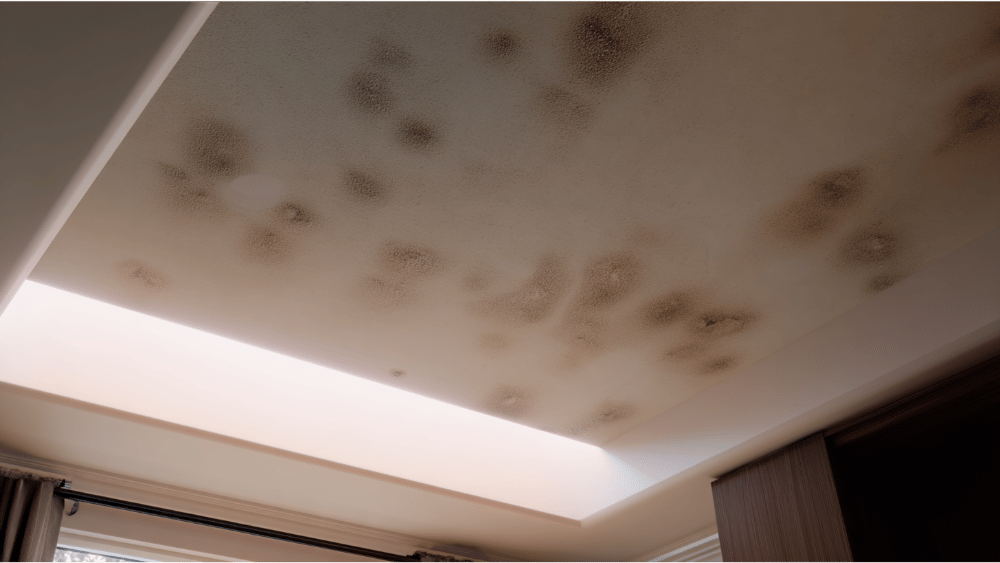
Roof leaks often return because the underlying problem was never fully addressed. A leaky roof may be temporarily sealed, but a temporary fix does not correct the cause. Water has a way of finding new paths, especially during heavy rain or heavy rainstorms. When roof leaks are not properly repaired, moisture can spread beneath the surface and cause further damage.
Small leaks can quickly grow into larger problems. Over time, dripping water can weaken wood framing, damage walls, and compromise the home’s structure. Left unaddressed, these issues can require significant repairs that cost far more than early intervention. Prevent future leaks by identifying the source of the leak, not just the visible symptoms.
Regular roof inspections are one of the most effective ways to prevent future roof leaks. Homeowners should schedule professional inspections at least once or twice a year. It is also important to inspect the roof after high winds, heavy rain, or the next storm that brings severe weather conditions.
Homeowners can regularly inspect their roof from the ground. Look for missing shingles, damaged shingles, or visible damage along the roofline. Check for debris buildup and areas where shingles appear uneven. Inside the home, water stains or ceiling stains are early warning signs of a leaking roof.
Professional roof inspections go beyond what can be seen from the ground. A trained roofer can identify potential leaks around roof flashing, vents, and transition points. They can also detect aging materials and areas where moisture may trap moisture inside the attic. Regular roof inspections help catch problems early and minimize damage.
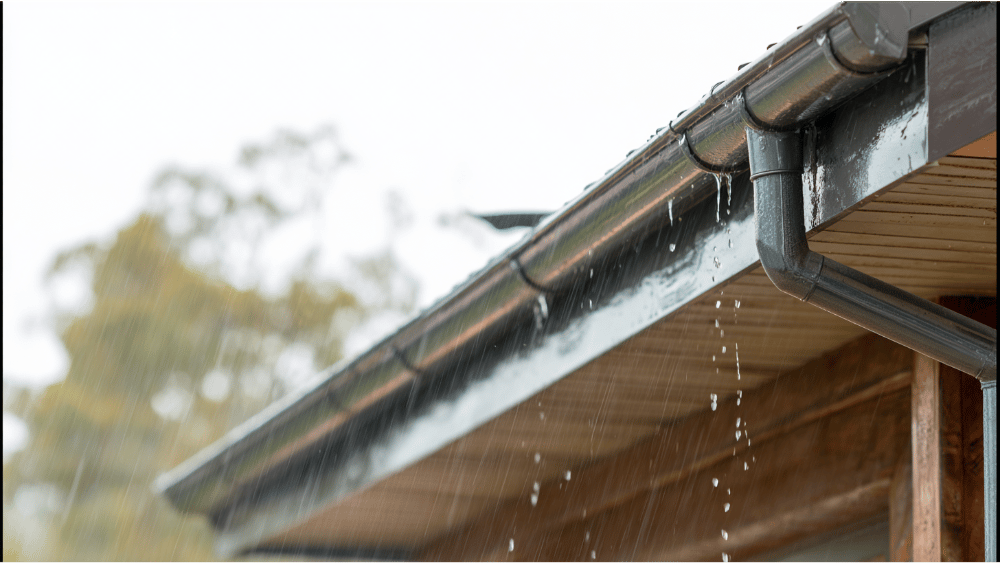
Clogged gutters are a common cause of roof leaks. When gutters fill with debris, water cannot flow properly. Standing water can back up under shingles and seep into the roof system. Over time, this leads to water damage and increases the risk of mold growth.
Gutters and downspouts should direct water away from the home so water flows freely off the roof. If downspouts are blocked or too short, water may collect near the foundation and work its way back toward the roof. Keeping gutters clean and ensuring proper drainage helps protect the roof and the home’s structure.
If gutters are sagging, leaking at the seams, or pulling away from the roof edge, cleaning alone may not solve the problem. In these cases, replacing the gutter system can prevent future leaks and reduce the risk of further damage. Gutters that function properly are essential to prevent roof leaks.
Roof flashing protects the joints where the roof meets chimneys, vents, and skylights. When roof flashing fails, water can enter quickly. Cracked sealant, rusted metal, or loose flashing are common causes of leaks. These areas should be inspected regularly and repaired promptly.
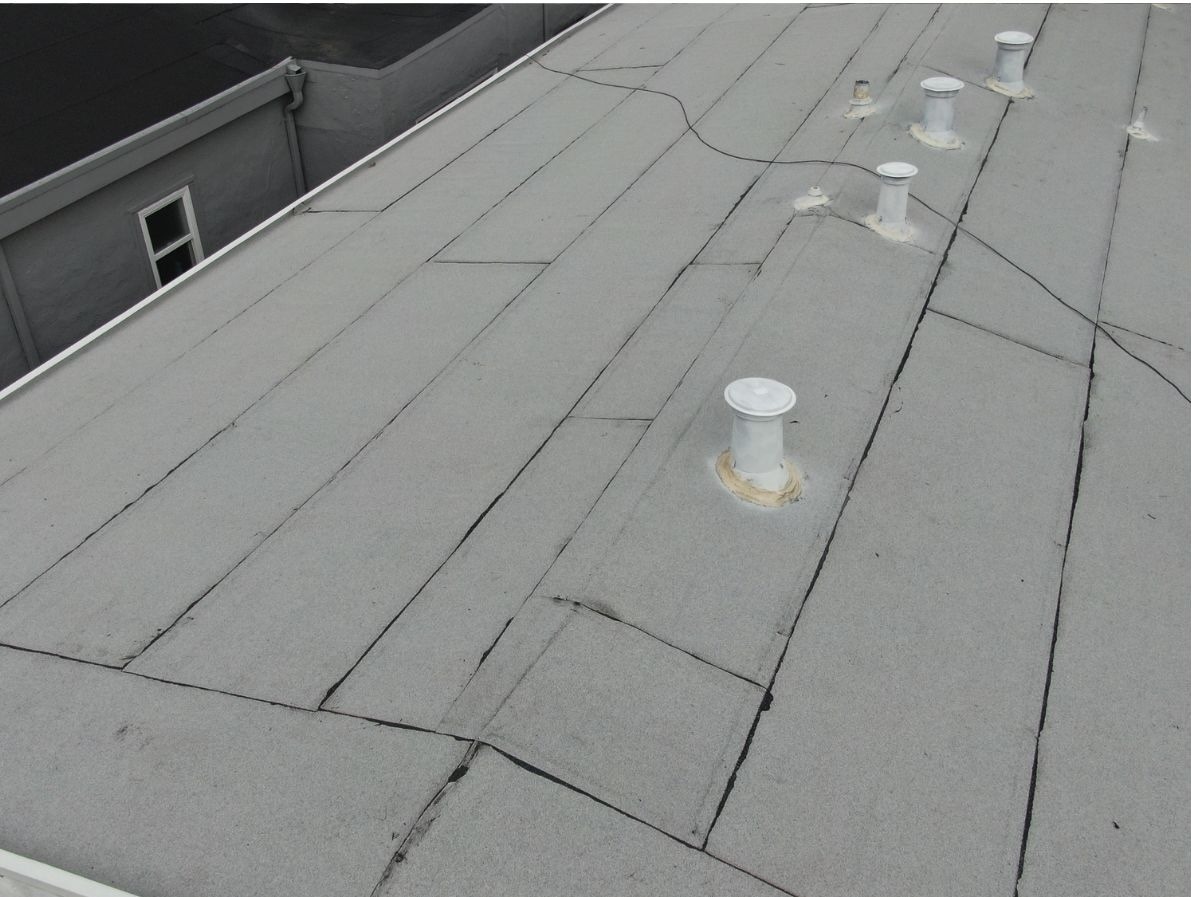
Roof valleys handle large volumes of water during heavy rainstorms. If debris builds up in these areas, water may pool and push beneath shingles. Both sloped roofs and flat roofs have transition points that need special attention. Keeping valleys clear helps prevent future leaks.
Rubber pipe boots around vents can dry out and crack as they age. These small components often cause leaks that go unnoticed until dripping water appears inside. Replacing worn pipe boots is a simple way to prevent roof leaks.

Shingles protect the roof from water intrusion. When shingles begin to curl, crack, or lose granules, they no longer perform effectively. Missing shingles or damaged shingles allow water to penetrate the roof and create potential leaks.
A temporary fix may stop water dripping for a short time, but it does not address the damaged area beneath the surface. Moisture can continue to spread and cause water damage that remains hidden until significant repairs are needed. Acting quickly with proper repairs helps prevent future issues.
Older roofs with widespread aging materials may require more than simple repairs. In some cases, installing a new roof is the best way to prevent future roof leaks. Using quality roofing materials ensures long term performance and better protection.
Poor attic ventilation can trap moisture inside the attic. When warm air meets cooler surfaces, condensation forms. Over time, this moisture can lead to wet insulation, mold growth, and damage to roofing materials.
In colder climates, poor insulation and ventilation contribute to ice dams. Ice dams form when heat escapes into the attic, melting snow that refreezes near the roof edge. Water becomes trapped and can leak under shingles. Proper attic ventilation reduces this risk.
Proper insulation works with ventilation to regulate temperature and moisture. Together, they help protect the roof, prevent future leaks, and improve energy efficiency.

Tree branches that hang over the roof can drop debris and scrape shingles. Debris buildup holds moisture against the roof surface and increases the chance of damage. Regular trimming helps protect roofing materials.
After high winds or heavy rain, it is important to inspect the roof for visible damage. Acting fast after a storm can minimize damage and reduce the risk of a leaky roof during the next storm.
Different roofing materials perform better in certain climates. Asphalt shingles, metal roofing, and other systems are designed to withstand specific weather conditions. Choosing quality roofing materials helps prevent roof leaks and future damage.
Preventative care includes regular roof maintenance such as inspections, minor repairs, and clearing debris. Regular maintenance helps identify potential leaks before they become serious problems.
Regular roof maintenance extends the life of the roof and reduces the likelihood of water damage. Preventative care is far more affordable than dealing with extensive repairs caused by neglected issues.
An experienced residential roofing contractor understands how to protect both sloped roofs and flat roofs. Proper installation and repairs help prevent future leaks and protect your investment.

Early warning signs include water stains, ceiling stains, and peeling paint. These signs may appear before you catch dripping water.
In the attic, look for wet insulation, mold, or darkened wood. Moisture in these areas indicates a leaking roof that needs attention.
When homeowners act quickly, they can minimize damage and prevent mold growth. Addressing small leaks early protects walls, wood framing, and the overall home’s structure.
The decision to repair or replace depends on the roof’s age and condition. Older roofs with repeated issues may benefit from a new roof, while newer systems may only need targeted repairs. A professional evaluation helps homeowners choose the best option.

If you notice water dripping inside your home, act fast. Place buckets to catch dripping water and protect flooring and furniture. If possible, use a tarp on the roof to reduce water intrusion until repairs can be made. These steps help minimize damage but should not replace professional repair.
In some cases, roof damage may qualify for an insurance claim. Document visible damage and contact your insurance company promptly. Understanding your policy can help reduce out of pocket costs when repairs are needed.

With proper care, many roofing systems last decades. Regular inspections and maintenance are key.
Yes, small leaks can lead to water damage, mold, and structural damage if left untreated.
Coverage depends on the warranty terms and whether the issue is related to materials or workmanship.
Yes, insulation and ventilation play a major role in controlling moisture and preventing leaks.
Call as soon as possible to prevent further damage and avoid costly repairs.
Preventing future roof leaks requires a proactive approach. Regular roof inspections, proper drainage, quality roofing materials, and attention to the attic all work together to protect your roof. By staying alert to warning signs and addressing issues early, homeowners can avoid future leaks, reduce water damage, and protect their home for years to come.
1 min read
Quick Summary Roof leaks are one of the most frustrating problems homeowners face. The visible damage inside your home is rarely where the problem...

1 min read
Understanding what causes roof leaks is one of the most important steps homeowners can take to protect their property. A roof is designed to manage...

1 min read
Key Takeaway: Roof leaks are commonly caused by damaged shingles, compromised flashing, and clogged gutters. Regular inspections and timely repairs...