1 min read
Will Insurance Cover a 20 Year-Old Roof? A Walnut Creek Homeowner’s Guide
Key Takeaway: Most insurers may cover a 20 year-old roof, but coverage is often limited and heavily dependent on the results of recent roof...
8 min read
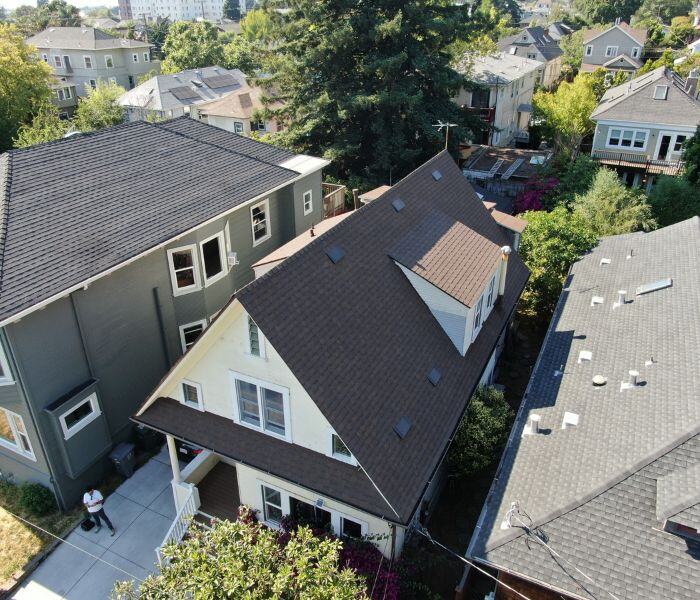
Home insurance often covers roof damage from covered perils like storms and fires but excludes damages from normal wear or neglect. Policy specifics can vary, so understanding your coverage limits and the role of regular roof inspections can optimize claims. Recent legislative changes may also impact coverage, especially in places like California.

Homeowners insurance policies come in various forms, each offering different levels of coverage. The most common type, the HO-3 policy, provides comprehensive protection against a wide range of perils, including those that can affect your roof. Typically, these policies cover sudden and accidental damages but may exclude damages caused by neglect or poor maintenance. Understanding the specifics of your homeowners insurance policy is crucial to knowing what roof damage might be covered. For instance, while a standard policy might cover roof damage from a tree falling due to a storm, it might not cover roof leaks that result from poor maintenance or normal wear. Therefore, it's essential to comprehend the nuances and stipulations of your policy.
Homeowners insurance policies include several key features that determine what aspects of roof damage are covered. These policies often specify coverage limits, deductibles, and conditions under which claims can be filed. For instance, standard policies usually cover replacement cost value (RCV) for roofing materials if damage is caused by a covered event. However, the actual cash value (ACV) might apply if the damage is due to an aging roof or normal wear. It's essential to scrutinize these features to understand how they apply to your roof. A policy might cover roof repairs from a severe weather event but not for damages due to improper installation or missing shingles. Thoroughly reviewing these features helps in planning for potential out-of-pocket expenses.
The roof's age plays a significant role in determining insurance coverage. Older roofs, especially those exceeding 20 years, may only be eligible for ACV, meaning depreciation is deducted from the claim payout. Conversely, newer roofs are more likely to receive full roof replacement costs, subject to policy terms. Homeowners should ensure their insurance provider has updated records of roof age and condition to maximize potential coverage. For example, roofs with durable materials like metal may last longer and enjoy enhanced protection under your policy, while those with less durable materials might not be afforded the same coverage.
The type of roofing material used can also impact insurance coverage. Durable materials like metal or tile may receive more favorable coverage due to their longevity and resistance to severe weather. On the other hand, less durable materials, such as asphalt shingles, might not be covered as extensively if they are prone to damage. Insurance companies consider the material's resilience when assessing claims, so choosing quality materials can benefit your coverage. A roof inspection that confirms the use of high-quality materials can improve the chances of having roof damage covered in the event of a claim.

Storm damage is one of the most common reasons homeowners file roof claims. A standard homeowners insurance policy typically covers damage from severe weather events like hail, windstorms, or lightning. However, filing a successful covered roof claim requires prompt documentation of the damage and adherence to policy guidelines. Frequent roof inspection can help identify potential vulnerabilities before a storm hits, enhancing your chances of full coverage. For instance, documenting the condition of your roof before and after a storm can substantiate your claim and help secure the necessary financial support for repairs or replacement.
Fire damage is another peril often covered by home insurance policies. Whether caused by a lightning strike or an accidental fire, roof damage from these events is generally included in homeowners insurance coverage. Insurance companies require thorough evidence of the incident, so keeping detailed records and photographs can expedite the claims process. Understanding your policy's coverage limits for fire damage is critical in ensuring sufficient compensation for repairs or replacement. In regions prone to wildfires, this aspect of your insurance policy becomes even more crucial for ensuring your home's roof is adequately protected.
Insurance policies typically exclude coverage for damages resulting from normal wear and tear. Roofs naturally deteriorate over time, and insurance companies expect homeowners to maintain their roofs adequately. Coverage limits and potential exclusions should be reviewed to understand how wear and tear might affect claims. Regular maintenance and inspections can prevent minor issues from escalating into costly repairs that aren't covered. For example, addressing missing shingles or minor leaks when they first appear can prevent more extensive roof damage that would not be covered by insurance due to negligence.
Neglect is another common exclusion in roof coverage. If an insurance provider determines that roof damage resulted from poor maintenance or neglect, the claim is likely to be denied. Homeowners are responsible for regular upkeep, such as clearing gutters and replacing missing shingles. Ensuring that your roof receives proper care can prevent coverage denials and maintain the integrity of your policy. Engaging with a roofing contractor for periodic checks can be an effective way to demonstrate due diligence and avoid claim denials due to neglect.

Regularroof inspections are essential for maintaining homeowners insurance coverage. They help identify potential issues early, preventing costly damage that might not be covered. Insurance companies often require proof of routine inspections to process claims efficiently. Engaging a professional roofing contractor for scheduled inspections ensures your roof remains in optimal condition and that you meet policy requirements. By establishing a schedule for these inspections, you can also verify the roof's age and condition, which may influence the insurance cover roof offers.
Inspections play a crucial role in supporting insurance claims. Detailed inspection reports provide necessary evidence of roof condition before and after an event, helping validate claims for covered roof damage. This documentation can be pivotal when disputing a denied claim. Inspections also offer peace of mind by confirming that your roof is well-maintained and that any issues are promptly addressed. This proactive approach not only helps in getting insurance cover roof damage claims approved but can also contribute to an overall lower cost of ownership by addressing issues before they escalate.
Deductibles are the out-of-pocket expenses homeowners must pay before their insurance coverage kicks in. Understanding your policy's deductible is crucial for financial planning, as it directly affects claim payouts. Higher deductibles can lower premiums but increase upfront costs in the event of a claim. Balancing deductible amounts with potential risks can optimize your financial protection. For example, if you live in an area with frequent severe weather, a lower deductible might be more beneficial despite the higher premium, as it reduces the financial burden when filing claims for roof damage covered under your policy.
Payouts for roof damage are calculated based on the policy's terms and the nature of the damage. Insurance companies assess whether the claim qualifies for actual cash value or replacement cost value. Understanding these calculations helps homeowners manage their expectations and financial responsibilities. Consulting with your insurance provider can clarify how these factors influence your specific situation. An insurance policy might cover roof damage from a covered event at replacement cost value, providing full financial support for a new roof installation, whereas other damages might only be covered at actual cash value.

Recent legislative changes in California have impacted roof insurance coverage. Updates to building codes and environmental regulations may affect insurance policy terms, especially regarding fire damage and severe weather events. Homeowners in California should review their policies to ensure compliance with new laws and to understand any changes in coverage limits. Staying informed about these updates is crucial for maintaining comprehensive protection. These changes might also influence the coverage limits for roof damage caused by natural disasters, emphasizing the importance of reviewing your policy with an expert to ensure adequate protection.
Across the United States, insurance trends are shifting in response to climate change and increased natural disasters. Insurance companies are adjusting coverage terms and premiums to account for these risks. Homeowners nationwide should regularly review their policies to ensure adequate coverage amidst these evolving conditions. Consulting with an insurance expert can provide valuable insights into how nationwide trends affect individual policies. For example, understanding how a standard homeowners insurance policy is adapting to cover roof damage from previously uncommon events like hurricanes in inland areas can help you update your coverage accordingly.
After experiencing roof damage, immediate action is essential to mitigate further issues. First, document the damage thoroughly with photographs and notes. This evidence will support your insurance claim. Next, contact a professional roofing contractor to assess the damage and perform temporary repairs if necessary. Prompt response can prevent additional damage and expedite the claims process. Ensuring that the roofing contractor provides a detailed report can significantly aid in navigating the claims process efficiently and securing the necessary insurance cover roof damage claims.
Filing a claim involves several steps to ensure a successful outcome. Start by reviewing your insurance policy to understand coverage limits and exclusions. Contact your insurance provider to report the damage and initiate the claims process. Provide all necessary documentation, including inspection reports and photographs. Staying organized and responsive throughout the process can enhance your chances of a favorable settlement. Engaging an insurance expert to guide you through the claims process can also help in addressing any issues that may arise, ensuring the insurance cover roof damage claim is processed smoothly.

Regularly reviewing your insurance policy is critical for maximizing coverage. Pay attention to coverage limits, deductibles, and exclusions related to roof damage. Consider adjusting your policy if necessary to reflect changes in your home's condition or value. Proactively managing your policy ensures that you have adequate protection against unforeseen events. For instance, adding enhanced protection for your roof's age or upgrading to cover roof damage caused by specific perils can provide added peace of mind and financial security.
Consulting with roofing and insurance professionals can provide valuable insights into optimizing your coverage. These experts can offer guidance on selecting durable materials, performing routine maintenance, and understanding policy terms. Their expertise ensures that you make informed decisions regarding your roof and insurance coverage, ultimately providing peace of mind. A professional assessment of your current roofing materials and insurance policy can identify areas for improvement, ensuring that your home insurance company offers the best possible protection for your roof.
Symplify Roofing offers comprehensive roof installation and repair services that support homeowners in maintaining their insurance coverage. Our experienced team ensures that all roofing projects meet industry standards, reducing the risk of insurance claim denials due to poor workmanship. By choosing Symplify Roofing, homeowners receive quality craftsmanship and reliable protection. Our expertise in various roofing materials allows us to provide solutions that align with your insurance policy, enhancing your home's roof's resilience and coverage.
In addition to roofing services, Symplify Roofing provides gutter replacement and maintenance solutions. Properly functioning gutters are essential for preventing water damage to your roof and home. Our services ensure that your gutters effectively channel water away, preserving the integrity of your roof and enhancing your insurance coverage. Trust Symplify Roofing for all your roof and gutter needs. Regular maintenance of your gutters can prevent issues like leaking roof conditions, which may not be covered under a standard homeowners insurance policy.
1 min read
Key Takeaway: Most insurers may cover a 20 year-old roof, but coverage is often limited and heavily dependent on the results of recent roof...

1 min read
Key Takeaway: The 25% rule in roofing guides decisions on whether to repair or replace a roof based on damage extent, impacting cost and longevity....
1 min read
Key Takeaway: Shingle roofs typically last 20 to 30 years, but factors like material quality, installation, and maintenance significantly affect...