1 min read
Should I Stay Home During Roof Replacement?
Key Takeaway: Most homeowners are safer and more comfortable leaving home during a roof replacement due to loud noise, safety risks, and potential...
6 min read
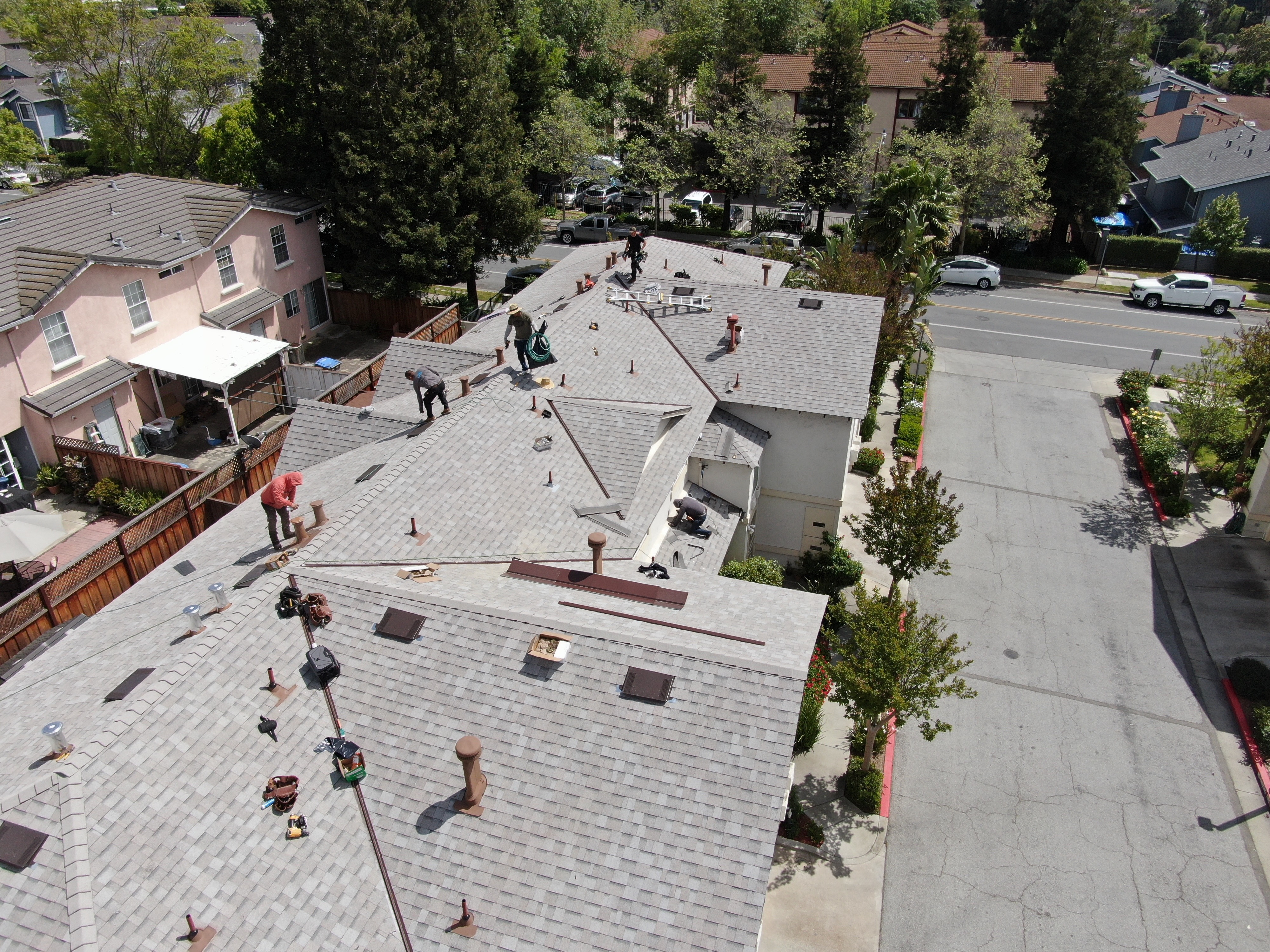
The short answer to the question do I have to move out during roof replacement is no, in most cases you can stay in your home during roof replacement. Still, that short answer does not tell the whole story. Roof replacement is a major construction project that affects your daily routines, comfort, noise levels, and safety. Many homeowners want to understand what actually happens once the roof replacement begins, what risks exist, and how to make the best decision for their household.
This guide explains the entire process in plain language. It covers safety concerns, noise, falling debris, pets, small children, and what homeowners prefer based on real experience. The goal is to help you make an informed decision that fits your home, your family, and your comfort level.

Roof replacement is one of the most visible and disruptive home improvement projects. The roof sits directly above your living space, so it is natural to worry about what happens when construction work starts overhead. Many homeowners worry about falling debris, stray nails, property damage, and whether the house will be exposed during the roof replacement process.
Noise is another major concern. Nail guns, workers walking across the roof, and material being removed can sound overwhelming. Pets may panic, small children may struggle with naps, and working from home becomes difficult. These safety concerns are common, and most roofers expect homeowners to have questions before the project starts.
In most cases, yes, you can stay home during roof replacement. A professional roofing contractor plans the job so the interior of the house remains protected. Roof replacement is completed in stages, not all at once, which means the roof is never fully exposed.
Staying home during a roof replacement project is less about permission and more about comfort. Some homeowners prefer to stay, while others choose to leave during daylight hours when the work is most active.
From a structural standpoint, it is safe to remain in the house during roof replacement when the job is handled by an experienced contractor. The roof tear off is done in sections, followed immediately by installing underlayment and new materials. If roof repair or decking replacement is required, it is addressed in small areas and secured right away.
The roof replacement process does not involve removing the entire roof at once. This controlled approach protects the structure and limits potential damage inside the house.
While you can remain inside, the exterior becomes an active jobsite. The driveway, yard, and areas around the house are where debris may fall. Falling debris is managed through protective measures, but these areas are still off-limits for safety.
Homeowners should avoid walking near the house exterior, and other vehicles should be parked away from the driveway if possible. Outdoor furniture, grills, and potted plants should be moved to protect property and provide easy access for the roofing crew.

Even when staying home is safe, disruption is unavoidable. Understanding what to expect helps you plan.
Noise is the biggest adjustment for most people. The loudest phase is the tear off, when old shingles are removed. This involves scraping, hammering, and debris hitting the ground. Nail guns and workers moving across the roof add to the noise.
Noise levels are highest during active construction hours, usually in the morning and early afternoon. After the tear off, installing new shingles and materials is still noisy but more consistent and predictable.
Vibration can be felt throughout the house as workers walk and work overhead. Light dust may move through attic spaces, especially in older homes. Some homeowners notice temporary smells from roofing materials, particularly asphalt shingles. These are normal parts of the process and usually fade quickly.
Working from home during roof replacement is possible, but challenging. Noise can interrupt calls and meetings, and concentration may be difficult. Some homeowners set up a quiet room on the opposite side of the house, while others choose to work from a friend’s house or a coffee shop during the loudest phases.
Household needs often influence the final decision.
Small children require close supervision. They should not play outside during the project, and doors should remain closed to prevent access to work zones. Noise can disrupt naps and daily routines, which is why many homeowners with young kids plan outings during the roof project.
Pets are often the most affected. Loud noise, vibrations, and unfamiliar sounds can cause anxiety. Dogs may bark constantly, and cats may hide or attempt to escape. Many homeowners use pet daycare or stay with family during the day to reduce stress on pets.
For seniors or individuals with health conditions, the disruption may be more than an inconvenience. Noise, dust, and activity can increase stress. In these cases, staying home during a roof replacement may not be the best course, even if it is technically safe.

Although most cases allow homeowners to stay, some situations make leaving more practical.
Large homes, steep slopes, or extensive roof repair increase the duration and intensity of the project. More materials, more workers, and longer tear off periods mean more noise and debris.
Most roof replacement projects take one to two days, but weather delays can extend the timeline. When a project stretches out, homeowners may prefer not to stay home during extended construction.
Comfort matters. If the noise disrupts sleep, causes anxiety, or interferes with health needs, leaving during the day is a reasonable choice. Many homeowners prefer comfort over convenience.
For an average home, roof replacement is often completed in one day. Larger roofs or specialty materials like tile may take two or three days. The process depends on roof size, materials, weather, and whether decking needs to be replaced.

A reliable roofing contractor prioritizes safety from start to finish.
Protective measures include debris tarps, designated drop zones, and regular cleanup. Stray nails are collected using magnetic tools, and the property is checked daily. These steps reduce the risk of property damage and injury.
Clear communication helps homeowners stay informed. A project manager explains the plan, start times, and what to expect each day. Paying attention to instructions about access points and safety zones keeps everyone safe.
Choosing the right contractor affects every part of the experience. Experienced roofers follow proven processes, use quality materials, and respect your property. Symplify Roofing works to high standards as an Owens Corning Platinum Contractor, which reflects a commitment to quality, safety, and professionalism.
Prepare your house before the project begins. Close windows and doors, and protect valuables and fragile items on walls or shelves. Secure pictures and decorations that could shift due to vibration. Choose a quiet room if possible, and plan activities that help pass the time.

If you plan to leave, take essentials with you and confirm easy access for the roofing team. Clear the driveway and communicate where workers can park. Remove outdoor furniture and protect landscaping. Staying informed through updates helps you stay connected to the process.
Overnight relocation is rarely necessary. At the end of each day, the roof is secured and protected. Even if replacement begins and is not finished the same day, the house remains safe to occupy overnight in most cases.

Symplify Roofing believes homeowners should feel confident, informed, and supported. Most people can stay home during a roof replacement, but comfort and safety should guide the final decision. A proactive approach, clear planning, and open communication make the entire process smoother.
No, staying home during a roof replacement is generally safe when handled by a professional contractor who follows proper safety practices.
No, the roof is replaced in sections, and the structure remains supported throughout the process.
Minor vibrations are normal, but serious potential damage is uncommon when protective measures are in place. Mistakes happen rarely, and reputable contractors address issues promptly.
If pets are anxious or difficult to contain, leaving during active work hours is often best.
Roof replacement is louder than most interior renovations, especially during tear off, but it is short-lived.
Most roofing crews begin work early to maximize daylight hours and complete the job efficiently.
If you need to sleep during the day, staying elsewhere during construction hours is often the better option.

So, do I have to move out during roof replacement? In most cases, no. Many homeowners stay home during a roof replacement without issue. The key is understanding the process, preparing properly, and choosing a contractor who values safety and communication. Whether you stay or leave during the day, making an informed decision ensures your roof project goes smoothly and your new roof protects your home for years to come.

1 min read
Key Takeaway: Most homeowners are safer and more comfortable leaving home during a roof replacement due to loud noise, safety risks, and potential...

1 min read
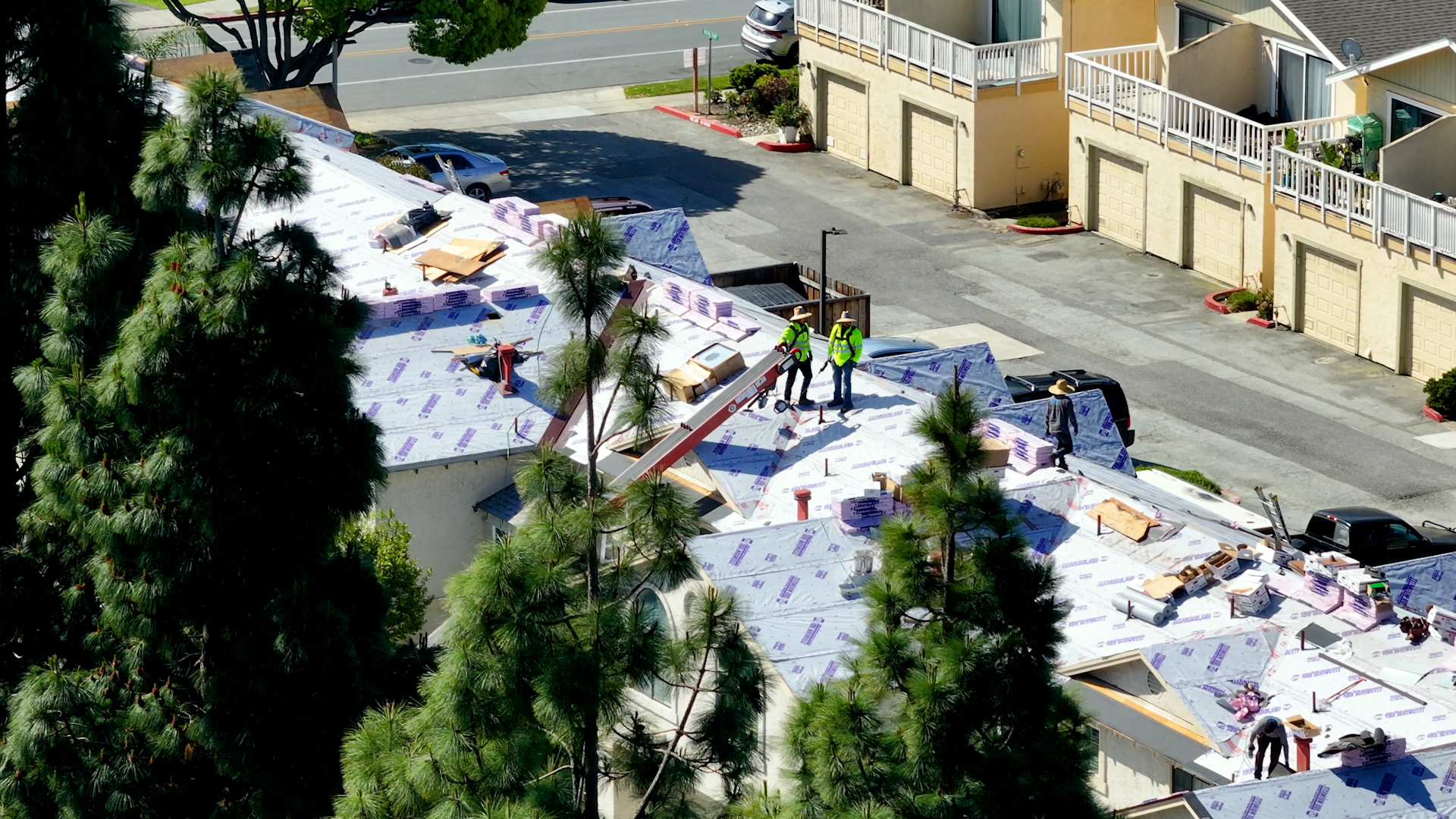
Are you a homeowner in Berkeley, California, considering a roof replacement? Roofing projects are significant investments, and choosing...
1 min read
Homeowners often ask the same question after noticing a leak, missing shingles, or signs of wear, what’s the difference between roof repair and roof...