2 min read
Selecting the Ideal Roofing Material for Your Californian Home - Symplify
When you’re a homeowner in sunny California, deciding on the right roofing material is a task that demands careful consideration. Your choice can...
10 min read
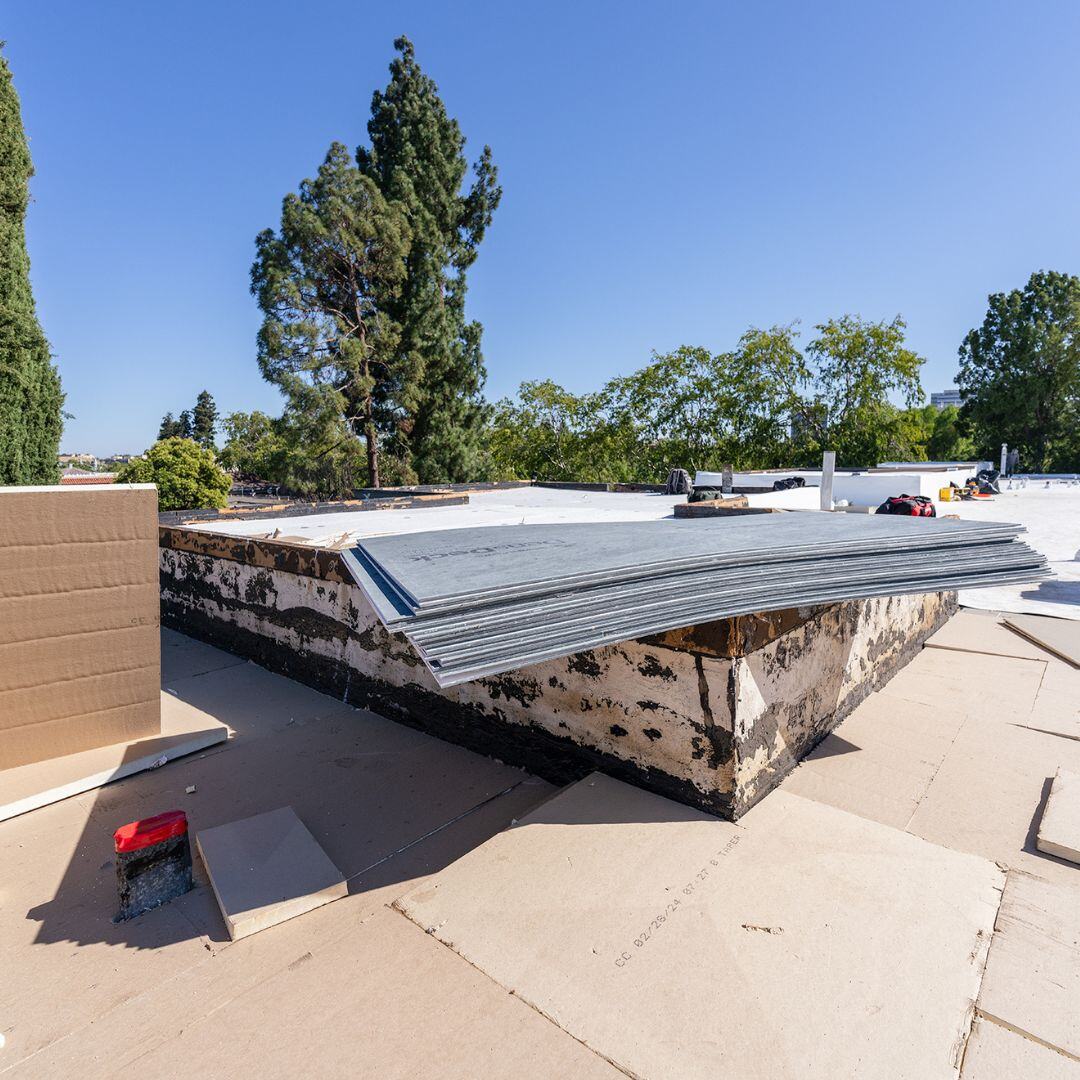
Painting a metal roof can enhance its aesthetic appeal, protect against environmental damage, and increase home value when done correctly. The process involves selecting the right paint, proper surface preparation, and expert application techniques to avoid common pitfalls like peeling or uneven coverage. Consulting with professional services can ensure a durable and long-lasting finish while also considering climate factors and local regulations.

Galvanized steel roofs are popular due to their cost-effectiveness and durability. They feature a protective zinc coating that, while preventing rust, requires careful consideration during painting. Priming is essential to avoid premature paint failure. Use a high-quality oil-based alkyd paint formulated for metal surfaces, available at any reputable hardware store. When painting a galvanized steel roof, it is crucial to ensure that any loose paint is thoroughly removed with a wire brush to prevent flaking. Particularly for galvanized steel, where the zinc layer can react with certain paints, a primer made explicitly to isolate these reactions is essential. A common error is neglecting this prep work, leading to the paint peeling off in a few years.
Aluminum roofs offer excellent corrosion resistance and lightweight properties. Before painting, the surface must be cleaned thoroughly, removing dirt and grime, as well as any loose paint. Acidic cleaners or mild detergents are recommended. The application of a primer designed for metals ensures that the paint adheres properly. Aluminum’s inherent corrosion resistance means the right paint should highlight this natural strength by protecting it further. Using an acrylic latex paint can enhance energy efficiency by reflecting heat, a factor to consider under high temperatures. Painting aluminum also involves matching the property's exterior aesthetics effectively, thus enhancing curb appeal.
While copper roofs develop a natural patina over time, some homeowners prefer a painted look for uniformity with the house's exterior. However, painting copper requires specific techniques, including a primer that adheres to non-ferrous metals. Be mindful that painting copper may nullify its maintenance-free advantages. The value of a copper roof lies in its durability and self-protective patina, which can self-heal minor scratches, so consider whether painting aligns with your long-term goals. However, for heritage properties where appearances matter, painting can provide that desired consistency with other architectural elements without resorting to a complete roof replacement.
Zinc provides both durability and a self-healing quality; however, it can be painted for aesthetic reasons. Zinc surfaces must be degreased before applying any paint. Using a specialized primer and paint will prolong the life of the finish and match the zinc's long-lasting nature. When you choose painting for zinc, ensure the use of polyurethane coatings due to their durability, which allows the painted finish to withstand various environmental changes. Degreasing zinc is essential to remove any fabrication oils that can interfere with the adhesion of new paint layers, making them susceptible to peeling and cracking, which in turn can detract from a home's overall curb appeal.
Painting a metal roof can dramatically increase curb appeal by allowing for color updates that work cohesively with your home's design. A fresh paint job offers a quick transformation, enhancing the overall look without the need for a roof replacement. Additionally, selecting new vibrant colors or contemporary neutrals can make your property stand out. For real estate investors, this can swiftly increase the desirability of the property, thus improving market timing. When the old paint starts to peel or fade, investing in a professional repaint ensures that the home maintains a favorable impression, crucial when the property market is competitive.
Protective paints not only provide aesthetic benefits but also add a layer that shields the roof from environmental stressors such as rust and corrosion. Choosing the right paint and proper application can prevent damage that may lead to costly repairs over the long run. For instance, an elastomeric coating acts as a protective layer that expands and contracts with the metal’s movement, preventing cracks or separation. In areas prone to extreme weather, applying two to three coats can make short work of ensuring punctures and other vulnerabilities are sealed tight, significantly extending the roof's lifespan.
A well-maintained roof boosts the marketability of your property. Repainting your metal roof ensures it remains in top condition, potentially increasing your home's value. This investment can be appealing to potential buyers, presenting a well-kept exterior. The upfront cost of high-quality paints and professional services can yield an excellent return on investment (ROI). Homes with freshly painted roofs are more inviting and often justify a higher asking price. Even more, when the paint type chosen enhances energy efficiency, such as reflective coatings that reduce cooling costs, the property naturally becomes more attractive to environmentally conscious buyers.

Elastomeric paints are known for their flexibility and ability to move with metal roofs during temperature fluctuations, reducing the risk of cracking. They create a waterproof barrier, making them particularly effective in areas with extreme weather conditions. For roofs experiencing significant thermal expansion and contraction, this adaptability ensures the paint does not become brittle over time. Furthermore, elastomeric paints’ endurance in adverse weather reduces the frequency of maintenance, turning it into a long-term, cost-effective solution. Make sure to follow manufacturer guidelines on application—often requiring multiple coats—to ensure the best performance.
Acrylic paints offer excellent UV resistance, maintaining vibrancy and preventing fading in direct sunlight. They are water-based, eco-friendly, and easier to clean up, providing an efficient option for metal surfaces while ensuring longevity and durability. This paint type is especially beneficial in sunny climates where exposure to intense sunlight can quickly degrade inferior finishes. Utilizing acrylic paints can help maintain the hue of the roof, preventing the chalky discoloration that often signifies material breakdown. Add the coat strategically during cool and dry days for optimal adhesion and consistency while painting larger surfaces to avoid streaks.
Polyurethane coatings are highly durable and offer superior protection against chemical exposure and physical abrasion. They are ideal for roofs exposed to harsh environmental conditions, reinforcing the surface against rust and corrosion. The robust nature of polyurethane coatings also makes them resistant to UV light, ensuring the roof maintains its aesthetic appeal for longer. Highlighted for its chemical resilience, this paint prevents adhesive issues in environments where emissions might be a factor, such as industrial areas. Nevertheless, it is essential to note that polyurethane requires proper ventilation during application due to the strong odors emitted until cured.
The preparation phase is crucial to ensure the new paint adheres correctly. Start by removing old paint using a wire brush or sand. It's important to remove dirt, rust, and corrosion, as well, ensuring a clean surface. This step helps in fixing any underlying issues like seams or panels that need attention. Additionally, using a pressure washer can help in deep cleaning tough grime or algae that may have accumulated over time, ensuring all pores of the metal surface are exposed and ready for priming. Ensuring that you have thoroughly prepared the roof stops many potential paint adhesion issues, which could lead to premature paint failures like flaking and cracking.
Priming the metal surface is vital for creating a strong bond between the metal and the new paint. Selecting the right primer based on your roof’s material is essential. For example, oil-based alkyd primers are suitable for galvanized steel roofs, providing an excellent base coat. This first coat should be applied evenly and allowed to set properly before any additional layers are introduced. Pay particular attention to seams and edges, where moisture might otherwise seep in. Failure to use a primer not only undermines the longevity of the paint job but may void warranties, particularly when working with professional contractors or specific product lines like those from Sherwin Williams.
Roof painting involves significant safety risks. Use appropriate fall protection gear and work in dry conditions to prevent slips. Ensure ladders are stable and consider having an assistant for added safety. Taking these measures will minimize the chance of accidents. When working at heights, check that scaffolding or ropes are secure and that proper footing techniques are employed, as rush jobs often lead to tragic results. Always watch for any electrical lines and keep a safe distance from those while operating any metal objects, such as brushes or sprayers, to further protect against electrical hazards.

Sprayers provide an even coat and are efficient for large areas, but require careful handling to avoid over-application. Maintain a consistent distance and speed to prevent paint puddles. Spraying is particularly recommended for textured surfaces, ensuring even coverage over seams and panels. Ensure the spray equipment is high quality to avoid errors such as uneven dispersion or clogging mid-application. Additionally, practice on a small, inconspicuous area first to finesse the technique, ensuring optimal output throughout the painting process.
While more time-consuming, brushes and rollers provide precision that sprayers might lack, especially around edges and tight corners. A roller can quickly apply one coat, while a brush works well for details and touch-ups. Correct timing of a second coat ensures a durable finish. Emphasize using overlapping strokes to even out the distribution and avoid streaks. The brush technique, meanwhile, helps achieve crisp lines and full coverage—areas where detail matters most. Brushing might be less efficient on large surfaces but invaluable when correcting application mishaps.
Allow ample time for drying between coats, typically 24-48 hours, depending on weather conditions and the paint used. Curing can take up to a few days or weeks. Ensuring proper drying conditions helps avoid issues like peeling and promotes a long-lasting paint job. Using environmental controls, such as heaters or fans, can aid depending on the season or regional climate to speed up drying without compromising paint integrity. Do not rush this phase to meet deadlines, as prematurely walking on the roof or exposing it to weather extremes leads to increased cracking risks and coating failures.
Paint puddles can arise from over-application. To fix this, use a brush or roller to even out the excess while the paint is still wet. Ensuring steady and consistent application helps prevent such errors. Additionally, immediately addressing these puddles can mitigate the accumulation of thick, uneven layers, which can both visually and structurally affect the painted surface. Maintaining mindful observation throughout the job assures a uniform application and avoids having to rework sections later on.
Uneven coverage can be frustrating but applying paint in controlled layers solves this. Begin painting from a midpoint, moving outward for even spread. Multiple thin coats offer a better finish than one heavy layer. Employ consistent but variable directional strokes to catch every angle and nook the roof offers, as even minor omissions here can manifest into larger aesthetic concerns across the broader expanse. Take regular breaks to assess from different angles, ensuring that no patches or streaks have been inadvertently neglected.
Peeling and flaking often result from improper surface preparation or application. Ensure all rust and loose paint are removed before starting. Select a primer compatible with your paint choice to prevent premature paint failure. Pay attention to drying and curing times, as rushing these can leave fresh layers vulnerable. Regularly inspect the painted finish, especially edges exposed to the elements, using touch-up materials when necessary to address these imperfections as they develop, a strategy that extends the life and beauty of the paint job.

When deciding between painting and roof replacement, consider the roof’s condition and potential lifespan extension. Painting is more cost-effective than replacement, offering significant savings. However, severe damage might necessitate a residential roof replacement. Evaluate local contractor rates and available paint technologies such as energy-efficient coatings, as these choices influence long-term savings, especially in reducing electricity costs. A well-maintained painted roof potentially reduces cooling costs while offering a modern appearance at a fraction of replacement costs.
Regular maintenance of a painted roof, including touch-ups and inspections, can extend its life, saving money in the long term. A well-applied coat protects against corrosion, minimizing future repair costs. Timely application of touch-ups on worn areas keeps the roof's integrity intact, delaying or making roof replacements unnecessary. Evaluate frequent maintenance against complete overhauls, as proactivity often means long-term affordability thanks to the cost-efficient resilience regular inspections enforce.
Painting not only updates a home's aesthetic but increases property value. Fresh paint can visually refresh the exterior, appealing to buyers and extending the roof’s life. The theory of first impressions can be heavily influenced by the presence of a vibrantly new-faced roof, where scheduled paintings align with critical periods such as the summer real estate boom. Highlight these imprints to potential purchasers keen on investing in properties where low-risk maintenance exemplifies good stewardship and asset protection.
The moderate climate in Walnut Creek supports roof painting nearly year-round, though specific temperature ranges should be adhered to. Avoid painting in high humidity and extreme temperatures to support adhesion and longevity. Leverage times of steady mildness such as late spring or early fall, accounting for dry conditions expected during these periods to optimize adhesion quality and overall finish aesthetics. Expertly balancing these timing insights enhances return on investment for property enhancements related to painted infrastructure interventions.
Be mindful of Walnut Creek’s building codes when painting your roof. Certain paint types may be mandated, and permits might be necessary. Following regulations prevents legal issues and supports community standards. Research both city and state regulations as locals increasingly encourage tracts resilient to climate change through mandates like reflective surfaces or VOC level restrictions that necessitate conscious consideration through initial dialogues with industry providers.
The types of paint available locally can influence your project. Stores like Sherwin Williams offer a range of products tailored to regional climates, ensuring compatibility with local weather conditions. Taking advantage of such tailored solutions refines outcomes, delivering results that conquer localized environmental conditions. Experienced paint vendors in the region provide market insight and guidance specific to these requirements, harmonizing project ambitions with tangible supply realities.

Regular inspections help identify any developing issues early, such as chipping or rust. Schedule inspections seasonally to address concerns promptly, preserving the paint's integrity. Proactively performing minor corrective measures during these surveys prevents the advance of issues that jeopardize larger surfaces necessitating costlier interventions. Integrate principles of preventative maintenance, as these scheduled reviews offer insights for tailored solutions preserving the comprehensive nature of all undertaken workmanship.
Minor scratches and chips can be repaired with touch-ups, preventing larger problems. Match the original paint and follow initial preparation steps for effective results. Utilize leftover paint initially used to minimize hue deviation, and apply cautiously to targeted structures following preparatory cleansing of the impacted area. Deploy smaller brushes to layer seamlessly, and once touched up, allow drying in undisturbed spaces to restore a cohesive finish reflective of professional execution.
Regularly cleaning your roof with appropriate detergents helps maintain its appearance and longevity. Remove debris and algae buildup that might degrade the paint surface over time. Mindful application extends paint life by resolving early stimuli contributing to degradation. Proprietary products available at your local hardware store, coupled with guided utility, transforms these proactive measures into straightforward practices ensuring consistency in appearance, functionality, and property salability.
Hiring a professional ensures adherence to best practices and reduces risks associated with DIY projects. Professional roofers can handle complex conditions and provide warranties that DIY efforts lack. They bring experience to elements like extreme heights, safety, preparation, and end procedural nuances, which culminates in results rooted in expertise. Moreover, this investment might provide access to industry warranties that add reassurance and longevity beyond DIY scope, making Symplify Roofing a preferred partner in these engagements.
While a DIY approach can save money initially, mistakes can be costly in repairs and safety hazards. Professionals offer expertise that avoids common pitfalls, possibly making the initial cost investment worthwhile in terms of results and lifespan extension. Weighing perceived value savings from DIY against professional execution identifies cases where economic advantages favor initial expenditure over potential correctional reworkings post-installation. Make informed decisions cognizant of potential optimal results directly influencing the underlying equity of domestic assets.
Manufacturer warranties provide peace of mind, protecting against defects and premature failures. Warranties usually require professional application, thus emphasizing the value of hiring experts like Symplify Roofing. By choosing professional services like Symplify Roofing, owners demonstrate informed decisions that afford procedural efficiencies and product protections—establishing reliable building longevity inherent to all good governance modelings influencing property stewardship.
Discuss the latest technology in metal roof paints like elastomeric and acrylic options.
Detail how local temperature fluctuations and humidity levels impact paint adhesion and longevity.
Provide a comparative analysis of costs and long-term benefits of painting versus roof replacement.
Explore the potential for certain paint types to reflect sunlight and reduce cooling costs.
Explain best practices for inspections, touch-ups, and cleaning to extend paint life and ensure durability.
Cover fundamental safety guidelines and equipment needed to safely paint a roof.
Clarify which metal roof materials are most suitable for repainting and any preparation required.
2 min read
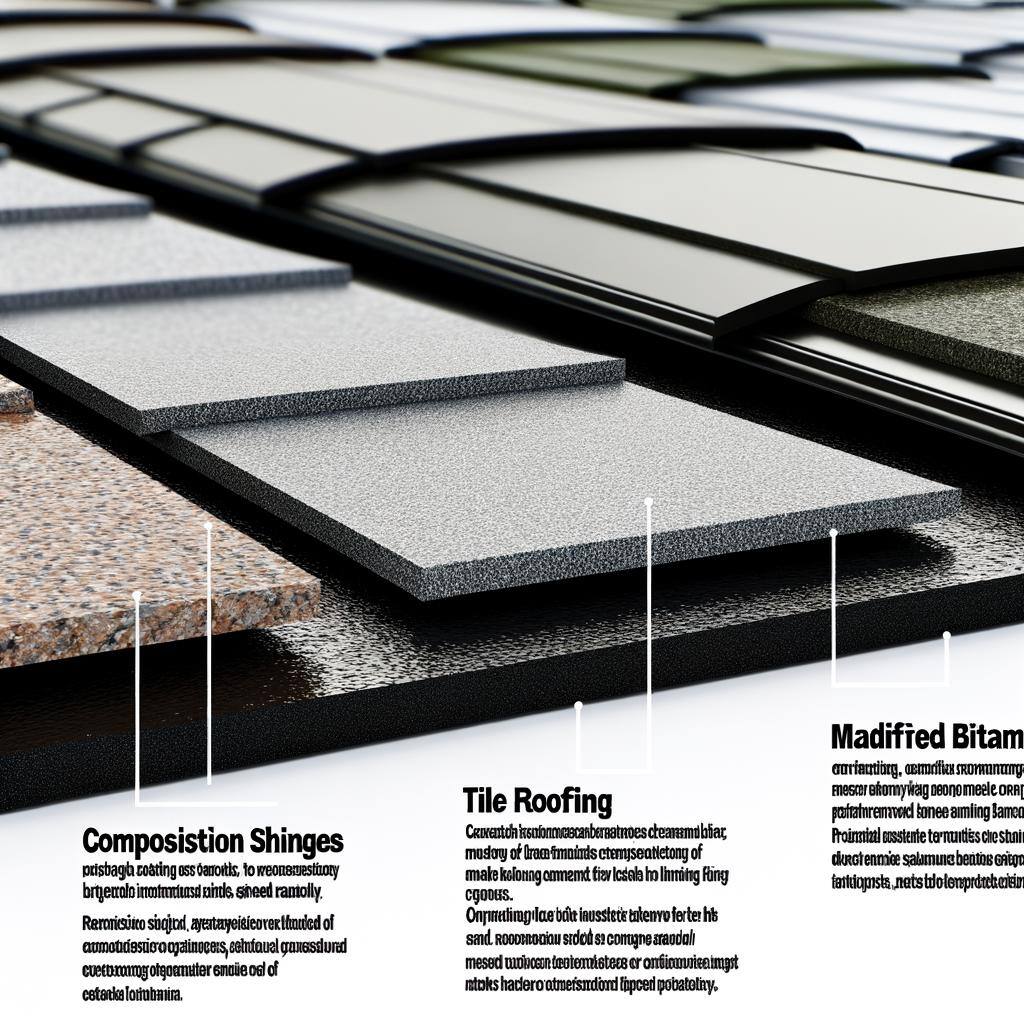
When you’re a homeowner in sunny California, deciding on the right roofing material is a task that demands careful consideration. Your choice can...
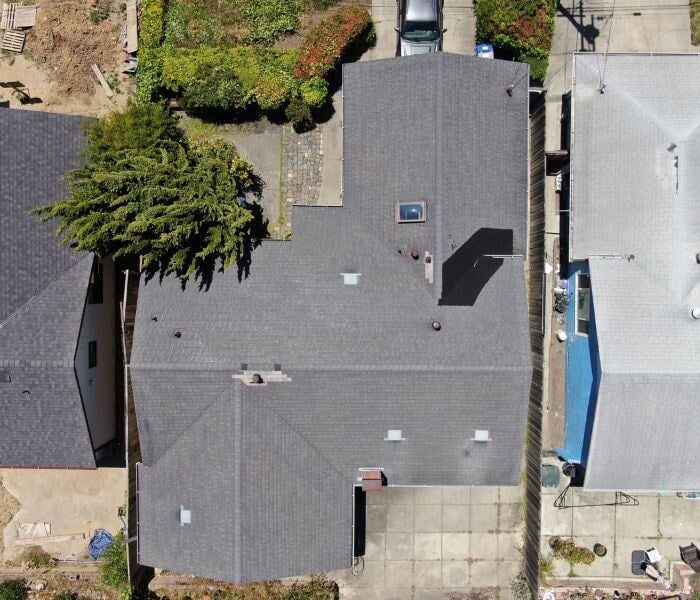
AI Overview: Painting shingles on a roof is usually not recommended, as it can void manufacturer warranties, reduce shingle longevity, and...
2 min read
A home’s roof is its first line of defense against weather and external elements, but it often goes unnoticed until a significant problem arises. At...